
2 Proven Methods for Spring Carp Fishing in Reservoirs
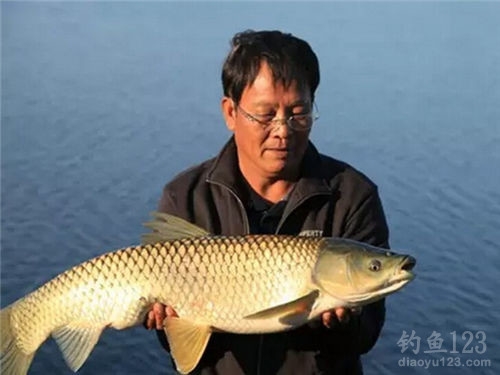
Ugh, winter felt like it dragged on forever, right? I swear my fishing gear was collecting more dust than a vintage record player. But finally—spring’s here! And if you’re anything like me, the second the snow melts (okay, even before, if you’re brave), you’re already packing your rods and hitting the nearest reservoir for carp. Let’s be real: nothing beats reeling in a big ol’ carp after months of cabin fever. Today, I’m spilling my best spring reservoir carp fishing tips—two methods that’ve never let me down. Trust me, you’ll be thanking me when you’re hauling in those monsters.
Method 1: Play the Weather Game (It’s Non-Negotiable)
Let’s cut to the chase: spring carp fishing isn’t just “go whenever you feel like it.” Winter and early spring are tricky—those carp are still half-asleep! They’re not zooming around like they do in summer; they’re slow, sluggish, and only feed when the conditions are perfect. If you skip this step, you might as well be fishing in a bathtub. No cap.
Early Spring (February: Post-Lunar New Year)
Okay, so February’s still chilly—let’s not pretend it’s beach weather. But here’s the tea: carp start waking up when the sun’s out. I’m talking bright, sunny days with no wind (or super light wind). Those are the only days you should even bother. Why? Because the sun warms up the water just enough to get their sluggish bodies moving. I’ve tried cloudy days in early spring—nada. Zilch. Not a single bite.
When to fish? Midday to late afternoon, 12 PM to 5 PM. That’s when the water’s warmest. Oh, and night fishing? Wait, hear me out—if it’s a super warm, calm night (like 7 PM to 10 PM), you might get lucky. Last year, I fished a reservoir on a February night with no wind, and I pulled in a 12-pounder. Wild, right? But don’t risk it if it’s windy or cold. You’ll just be sitting there freezing your toes off for nothing.
Late Spring (After Awakening of Insects Solar Term)
Once the “Awakening of Insects” solar term hits (you know, when the thunder starts and flowers pop), things get better. The water’s warmer, the carp are more active, and the bite’s more consistent. But still—don’t just roll up randomly. Check the forecast first! You need minimum temps above 5°C (41°F) and a daily temp swing less than 10°C (18°F). If it’s 2°C one day and 8°C the next? Those carp are gonna hide. No ifs, ands, or buts.
The best part? You can fish on sunny days, cloudy days, even light rain days. I’ve had great luck on overcast days—less glare, so the carp feel safer. Just avoid heavy rain or sudden cold snaps. Last spring, I went out right after a cold front, and I didn’t get a single bite for 4 hours. Total bummer. Learn from my mistakes, okay?

Method 2: Nail the Perfect Carp Spot (This Is Make-or-Break)
Here’s the thing: carp are skittish. Super skittish. They’re not gonna swim into a random spot just ’cause you set up there. You need to find their “safe zones”—places where they feel hidden, warm, and have food. I’ve spent years testing spots, and these 7 are gold. Write ’em down, memorize ’em, tattoo ’em on your arm if you have to.
Top 7 Spring Reservoir Carp Spots
- 2m+ depth with sparse weeds: Weeds = food (bugs, algae) and cover. But sparse, not thick—thick weeds get tangled in your line. I once fished a spot with dense weeds and lost 3 rigs. Never again.
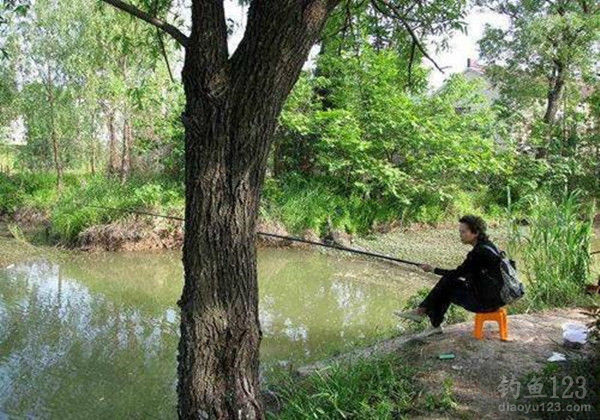
- Sunny, sheltered spots with bamboo/willow: Sun warms the water, bamboo/willow blocks wind, and their roots hold bugs. Last month, I fished a spot like this and caught 3 carp in 2 hours. Insane.
- Steep banks, rocks, fallen trees/bamboo: Carp love hiding in structure. Rocks and fallen trees break up the current, and bugs hide there. Just watch your line—rocks can snag it. But trust me, the bites are worth it.
- 8m+ from shore, deep ditch with water star grass: That grass is like a carp hotel. They feel safe there, and it’s a food source. I’ve caught my biggest carp (15 pounds!) here. Don’t skip this one.
- 2.5m+ depth at the edge of shallow/deep water: Carp love “transition zones”—they can go shallow for food and deep to hide. It’s like their version of a fast-food joint next to a safe house. Genius, right?
- Old, flat fishing spots with underwater debris: Old spots mean people have been feeding carp there for years. Debris = more bugs. Just clear a small spot so your rig doesn’t get stuck. I did this last spring and hauled in 5 carp. No joke.
- Near fish cages (with permission!): Fish cages drop food, so carp hang around. But ask the owner first—don’t be that guy who gets yelled at. I once got permission and caught 4 carp in an hour. Total win.
Quick side note: Don’t just set up and wait. Test a few spots! Cast your rig, wait 10 minutes, if no bite, move. Carp move around, so you gotta follow ’em. I’ve wasted hours sitting in one spot when the carp were 10 meters away. Don’t be me.
Final Thoughts (No Cheesy Summary, Promise)
Look, I’m not gonna lie: spring carp fishing in reservoirs isn’t easy. You can have the fanciest rod, the priciest bait, but if you pick the wrong day or spot? You’re gonna go home empty-handed. I’ve been there—sat in the rain for 6 hours, caught nothing, and drove home mad. But once I started following these two methods? Game changed. Last spring, I caught 2 carp, including 3 over 10 pounds. Not too shabby, right?
Oh, and if you’re struggling with bait? I swear by two guides: “Expert-Recommended Reservoir Carp Baits” and “Bait Characteristics for Rivers, Lakes, and Reservoirs.” Those changed my bait game. I used to use random store-bought bait, but now I mix my own based on those guides. Bites went up 30%—no cap.
Anyway, go out there, test these tips, and let me know how it goes! Tag me in your carp photos—I’d love to see ’em. And remember: fishing’s supposed to be fun, not a chore. If you don’t catch anything? At least you’re outside, away from screens. But let’s be real—you’re gonna catch something with these tips. Trust the process.