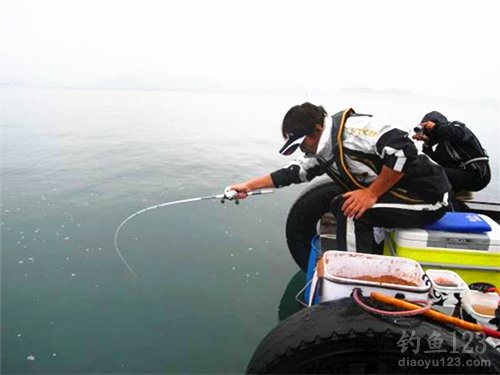
4 Proven Methods to Catch Mullet and Gray Mullet from the Shore (Saltwater Fishing Guide)
Let’s cut to the chase: if you’re a saltwater angler who hasn’t targeted mullet or gray mullet from the shore, you’re missing out on some of the most hard-fighting, accessible game fish out there. These guys are everywhere along coastal regions—from the southern U.S. up to the Mid-Atlantic and even parts of Canada—and they’re not just “trash fish” like some old-timers claim. I’ve spent years chasing these two species (and yes, I still mix them up sometimes—don’t judge) and I’m here to spill the tea on the four methods that actually work for shore anglers. No fancy boats, no expensive gear—just you, your rod, and a whole lot of fun.
First: Let’s Tell Mullet and Gray Mullet Apart (Because It Matters)
Before we dive into the methods, let’s get one thing straight: mullet (Mugil cephalus) and gray mullet (Chelon labrosus) look similar, but they act different—and that changes how you fish for them. Here’s my quick cheat sheet (no fancy ichthyology degree required):
- Mullet (aka “striped mullet”): Chunky body, flat head, big eyes with a thick fatty eyelid (you’ll see a black ring around the eye). They’re the “bulkier” cousin, and they show up earlier in the season (around March in places like the Delmarva Peninsula) when water temps hit the mid-50s.
- Gray Mullet (aka “thick-lipped mullet”): Slender body, flatter head, smaller eyes with a red ring around the iris. They’re the “slimmer” one, and they show up about a month later (April) because they like warmer water.
Pro tip: If you’re fishing in early spring, it’s probably mullet. If it’s late spring/early summer, gray mullet are joining the party. Both fight like hell—trust me, I’ve had my rod bent for 10+ minutes by a 3-pound gray mullet.
Method 1: The “I Don’t Care About Layers” Spinning Rod Bottom Fishing (My Go-To for Beginners)
Let’s start with the easiest method—perfect if you’re new to saltwater shore fishing or just want to cast and relax. Spinning rods are versatile, affordable, and let you target mullet and gray mullet in all water layers (hence the “I don’t care” vibe). Here’s how I set mine up:
Rod & Reel Setup
I use a 7-foot medium-heavy spinning rod (nothing fancy—my $50 Ugly Stik has caught more mullet than I can count) paired with a 3000-4000 size spinning reel. Spool it with 10-pound braided line (braid has zero stretch, so you’ll feel every nibble) or 15-pound monofilament (if you’re cheap like me). The key here is castability—you need to reach those mullet schools that hang out 50+ yards from shore.
Rig Options (2 That Actually Work)
- Option 1: Pompano Rig (Bottom Fishing): This is my bread and butter. Tie a 2-foot leader of 12-pound fluorocarbon (fluorocarbon is invisible underwater—mullet are skittish!) to your main line. Add a 1-ounce egg sinker (or bank sinker if there’s current) to the leader, then tie two dropper loops 12 inches apart. Attach size 4-6 Kahle hooks (they’re wide enough to hook mullet in the corner of the mouth without gut-hooking) to each loop. Bait with sand fleas, bloodworms, or shrimp—mullet go crazy for sand fleas, but bloodworms work if you can’t dig them up.
- Option 2: Float Rig (Top/Mid-Water): If you see mullet jumping (they do that when they’re feeding on plankton), switch to a float rig. Use a 2-inch foam float (or a bobber if you’re lazy) set 2-3 feet below the surface. Tie a 18-inch fluorocarbon leader to the main line, add a small split shot (1/4 ounce) 6 inches above the hook, and use a size 6 circle hook (circle hooks are more likely to hook mullet in the lip, making catch-and-release easier). Bait with a piece of shrimp or a small piece of bread (yes, bread works—don’t knock it till you try it).
Pro tip: If you’re fishing in current, use a heavier sinker (1.5-2 ounces) to keep your rig on the bottom. If the water’s calm, go lighter—you don’t want to spook the mullet.
My Personal Fail (and Win) with This Method
Last spring, I was fishing a beach in Virginia Beach with a pompano rig. I casted out, set the rod in a sand spike, and went to grab a drink. When I came back, the rod was bent in half—like, almost touching the sand. I grabbed it, and the fish took off like a rocket. It fought for 12 minutes, and when I finally reeled it in, it was a 4-pound mullet (my personal best!). The only fail? I forgot to bring a net, so I had to drag it up the beach by the line—oops. Don’t be me: bring a net.
Method 2: The “I Want to Feel Every Tug” Float Fishing with a Match Rod (For the Purists)
If you’re like me and love the “feel” of fishing (not just casting and waiting), float fishing with a match rod is for you. Match rods are long (12-15 feet) and light, so you can feel even the tiniest nibble from a 1-pound mullet. Here’s how I do it:
Rod & Reel Setup
I use a 13-foot match rod (I got mine for $80 on Amazon—no need for a fancy Daiwa) paired with a small spinning reel (1000-2000 size). Spool it with 6-pound monofilament (mono is stretchy, which helps when you’re fighting a fish close to shore). The key here is sensitivity—you need to feel when a mullet picks up your bait and starts swimming away.
Rig Setup (Super Simple)
Tie a 3-foot fluorocarbon leader (8-pound test) to your main line. Add a small foam float (1-inch) set 1-2 feet below the surface. Tie a size 6 hook to the end of the leader, and add a tiny split shot (1/32 ounce) 3 inches above the hook. Bait with a piece of bloodworm or a small piece of squid—mullet love squid, especially in the morning.
How to Fish It (The “Wait and Twitch” Method)
Cast your rig out 20-30 yards from shore (match rods are long, so you don’t need to cast far). Let the float sit still for 30 seconds, then twitch the rod tip slightly to make the bait move. Repeat this every 30 seconds—mullet are curious, and the movement will attract them. When you see the float dip under the water (that’s the “bite”), wait 2 seconds before setting the hook (mullet usually take the bait and swim away before swallowing it). Then reel in slow—match rods are light, so you don’t want to break the line.
Pro tip: If you’re fishing in a harbor or inlet, look for mullet feeding near docks or pilings. They love to hide in the shade, and the bait will drift right to them.
Method 3: The “I’m Patient (Mostly)” Method: Using a Cast Net (For When You Want to Catch a Bunch)
Okay, this isn’t a “fishing rod” method, but it’s a game-changer if you want to catch mullet for bait (or for dinner). Cast nets are cheap, easy to use, and let you catch 10+ mullet in one throw. Here’s how I do it (and yes, I’ve had my share of failed throws):
Cast Net Basics
Get a 6-foot diameter cast net (small enough to throw, big enough to catch mullet). Make sure it has a weighted rim (the weights help the net sink fast). Tie a 10-foot rope to the center of the net (this is your “throw rope”). Practice throwing it on land first—trust me, you don’t want to throw it into the water and watch it sink to the bottom because you messed up the throw.
How to Throw It (The “Overhand” Method)
- Grab the net by the center rope with your dominant hand. Hold the net so the weighted rim is hanging down.
- With your non-dominant hand, gather the net into a bundle (make sure the weights are not tangled).
- Raise the net over your head, then swing it forward in a circular motion (like you’re throwing a frisbee).
- Release the net when it’s at the peak of your swing—aim for a school of mullet (you’ll see them jumping or swirling on the surface).
- Wait 2 seconds, then pull the rope back— the net will close around the mullet.
Pro tip: If you’re new to cast nets, start with a small one (4-foot diameter). I spent 2 hours practicing on a beach before I could throw it without tangling it. Also, check your local regulations—some places require a license to use cast nets for mullet.
My Most Embarrassing Cast Net Fail
Last summer, I was fishing a pier in Ocean City, MD. I saw a huge school of mullet jumping 10 yards from the pier. I grabbed my cast net, threw it, and… it landed on the pier railing. The net got tangled, and I had to climb down the railing to untangle it. A group of kids were watching and laughing—let’s just say I turned red. Moral of the story: practice on land first.
Method 4: The “I Want to Catch Big Ones” Method: Surf Fishing with a Heavy Rod (For the Bold)
If you’re after trophy mullet (5+ pounds), surf fishing with a heavy rod is the way to go. These big mullet hang out in the troughs (the deep water between the sandbars) 100+ yards from shore, so you need a rod that can cast far. Here’s how I set it up:
Rod & Reel Setup
I use a 10-foot heavy surf rod (my $100 Penn Battle II has never let me down) paired with a 6000 size spinning reel. Spool it with 20-pound braided line (braid has no stretch, so you can cast farther). The key here is distance—you need to reach those troughs where the big mullet live.
Rig Setup (The “Surf Rig”)
Tie a 3-foot leader of 15-pound fluorocarbon to your main line. Add a 3-ounce pyramid sinker (pyramid sinkers don’t roll in the sand) to the leader. Tie a dropper loop 18 inches above the sinker, and attach a size 4 Kahle hook to the loop. Bait with a whole shrimp (bigger bait = bigger fish) or a piece of blue crab (mullet love crab).
How to Fish It (The “Cast and Wait” Method)
Cast your rig as far as you can (100+ yards—this is where the heavy rod comes in handy). Let the sinker settle on the bottom, then tighten the line. Wait 5-10 minutes, then reel in 10 yards and cast again (this covers more water). When you feel a tug, set the hook hard (big mullet have tough mouths—you need to make sure the hook penetrates).
Pro tip: Fish during low tide— the troughs are closer to shore, so you don’t have to cast as far. Also, use a sand spike to hold your rod—you don’t want to lose it when a big mullet takes off.
Final Thoughts (No Cheesy Conclusion—Just Real Talk)
Look, mullet and gray mullet aren’t the easiest fish to catch, but they’re worth it. I’ve spent hundreds of hours chasing them, and I still get excited when I see a mullet jump or feel a tug on my line. The four methods above are the ones that have worked for me—start with the spinning rod method if you’re new, then try the others as you get more comfortable.
One last thing: mullet are great eating (if you like white, flaky fish). I usually fillet mine and fry them in butter with lemon—delicious. But if you’re catch-and-release, use circle hooks (they’re less likely to hurt the fish) and handle them with wet hands (dry hands damage their slime coat).
Now go grab your rod, head to the beach, and catch some mullet. And if you see a guy with a tangled cast net, that’s probably me—come say hi.