Bigeye Tarpon Fishing: The Ultimate Guide to Tackle, Techniques, and Essential Tips
Let me start with a confession: I’ve spent hours staring at the water, line in hand, wondering why my spoon lure wasn’t getting any bites. Then, out of nowhere, a flash of silver rips through the surface—*that’s* a bigeye tarpon! These fish are like the rockstars of the fishing world: they jump, shake their heads, and put up one hell of a fight. But trust me, once you nail down the right tackle, technique, and timing, you’ll be hooked (pun intended) on this adrenaline-pumping sport. Let’s dive in!
1. Ecological Habits: Getting to Know Your Target
First things first: What the heck is a bigeye tarpon, anyway? Picture this: a sleek, silver fish with *massive* eyes (hence “bigeye”), scales that shimmer like polished coins, and a dorsal fin with a trailing, filament-like ray. They’re bottom-dwellers, carnivores, and can even “breathe” air using their swim bladder—so they’ll pop up to the surface for a gulp when the water’s low on oxygen. Cool, right?
Here’s the lowdown on their behavior: They’re viviparous (give birth to live young), so you won’t find eggs—just tiny tarpon swimming around. In Taiwan, the ones you’ll catch are smaller (15-40 cm), while Atlantic tarpon can reach 2 meters long and 160 kg! Yikes, that’s a monster. Tarpon are also super active during the right tide and time of day, so knowing their habits is key to success.
Pro tip: Keep an eye out for ripples or splashes—those are their telltale signs! They often swim near the surface, showing off their dorsal fins like little flags. If you see that, you’re in tarpon territory.
2. Suitable Tackle: Gear That Actually Works (No Fluff!)
Let’s talk gear. You don’t need a fancy setup, but you *do* need the right tools. Here’s what I’ve tested and loved:
Rod & Reel: The Backbone of Your Setup
Your rod should be a 1.98-2.1m (6.5-7ft) L-tip spinning rod. Why L-tip? Because it’s light enough for long casts but has enough power to reel in a feisty tarpon. Pair it with a 1000-2000 size spinning reel—something with a smooth drag system (you’ll need it when they take off!). I’ve used a 1000 size reel with 120m of 2.0lb mono line, and it works like a charm. No need for anything overkill here!
Line: Thin but Tough
For the line, go with 1.5-2.0lb monofilament or 0.6-0.8lb PE line. Trust me, I’ve broken more lines with heavy gear than I can count. Light, sensitive line lets you feel the tarpon’s subtle nibbles and handles their acrobatic jumps without snapping. I once switched from 3lb to 1.5lb and caught *three* more fish in a day—game-changer!
Lures: The “Bait” That Strikes Their Fancy
Lures are where the magic happens. Bigeye tarpon love flash and movement, so here’s what I recommend:
- Spoon Lures (3-7g): These are perfect for 15-40cm tarpon. Pro move: Swap the treble hooks for a single hook—tarpon shake off trebles like crazy, and single hooks mean less snags and more fish in the net.
- Jigs + Soft Plastics (1.5-3g): For smaller tarpon (under 30cm), 1.5-3g jigs with 1-1.5 inch soft plastics work wonders. Drag them slowly near the surface—they’ll hit that “dancing” action every time!
- Swimbaits (5-7cm): For bigger tarpon (30-60cm), 5-7cm swimbaits mimic their natural prey. I’ve had great luck with these—just reel with a jerky, erratic motion to trigger a strike.
3. Fishing Techniques: Outsmarting the Tarpon
Tarpon are smart, so you need to outplay them. Here’s my go-to strategy:
Battle Plan: Handling Their Power
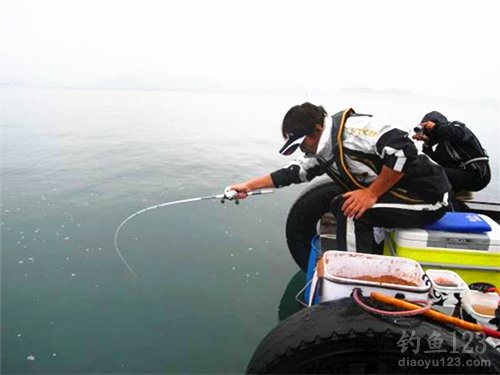
Tarpon are *strong*—they’ll jump, shake their heads, and try to break your line. When you hook one, keep your rod tip high and the line tight. Don’t let them run free! I once forgot to keep the tip up, and my line snapped mid-air. Lesson learned: Keep that rod bent at a 45-degree angle—you’ll thank me later.
Targeting the Right Size & Location
Small tarpon (15-25cm) hang out in inland rivers, while bigger ones (40-60cm) love open water near harbors or breakwaters. If you’re in a river, focus on shallow areas with structure (rocks, logs). Near the coast, cast near the edges of harbors—they love the currents there!
Retrieve Like a Pro
Always keep lures in the mid-water column—tarpon are top predators, so they’ll hit anything near the surface. For smaller tarpon, a slow, steady retrieve with a spoon works. For bigger ones, try a faster, erratic motion to mimic panicked prey. And remember: *never* let the lure hit the bottom—they’ll ignore it!
4. Essential Tips: Avoiding Common Mistakes
Tarpon fishing is tricky, but these tips will save you time, frustration, and broken gear:
Time It Right: Tides & Times
Tarpon are all about the tide! They’re most active during the rising tide, around 7-8 hours in. If you’re in a lagoon or closed water, dawn and dusk are prime time. I once fished at 6 AM and caught 5 tarpon in an hour—best morning ever. Pro move: Check tide charts before heading out!
Spotting the Fish: Signs to Look For
Tarpon leave clues: look for ripples, splashes, or dorsal fins breaking the surface. If you see that, cast immediately! I once spent 20 minutes searching, then saw a fin pop up—*boom*—I caught one in seconds. Trust your eyes!
When Lures Fail: Switch to Surface Lures
Stuck? Swap to a surface lure! I’ve had days where nothing else worked, then a surface popper or spinner got tarpon jumping. Just remember: bigger lures = more failure, so stick to small, lightweight ones.
Handling & Conservation: Be Kind to the Fish
Tarpon are beautiful but fragile—they die quickly out of water. Take a quick photo, then release them gently. Their meat is actually not great (too bony!), so let them live to fight another day. I once kept one for a photo, and it died in my hands—never again! Practice catch-and-release, and they’ll keep coming back.
Bigeye tarpon fishing is a wild, thrilling ride. From the moment you spot that silver flash to the moment they leap into the air, it’s an experience you’ll never forget. Whether you’re a newbie or a seasoned angler, these tips will help you land more fish and make memories that’ll last. So grab your gear, check the tide, and head out—your next big catch is waiting!
bigeye tarpon fishing, tarpon tackle, tarpon techniques, tarpon fishing tips, tarpon habitat, tarpon lures, bigeye tarpon guide, tarpon fishing gear, tarpon behavior, tarpon species, tarpon fishing locations, tarpon spinning reel, bigeye tarpon tackle, tarpon lures for beginners, tarpon catch and release