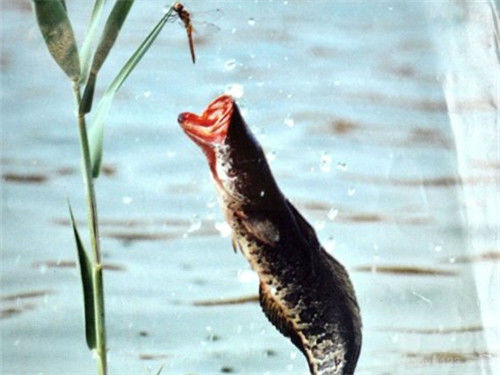
618 | How to Choose the Perfect Wild Fishing Spot to Catch More Fish
Let’s be real—showing up to a wild river or lake, staring at the water, and wondering “where do I even cast my line?” is a struggle every angler has faced. After years of dragging my gear around, losing hooks to snags, and going home empty-handed way too often, I’ve picked up some hard-earned tips on finding the best spots. Stick around, and by the end, you’ll never stress about picking a fishing spot again. Oh, and if this helps you land a monster catch, don’t forget to hit that like button and follow for more fishing hacks!

Start with Weeds—Fish Love Hiding in Them!
If there’s one golden rule I swear by, it’s this: find the weeds, find the fish. But not all weeds are the same. There are two types you need to learn to spot: visible surface weeds (let’s call them “bright weeds”) and hidden underwater weeds (“dark weeds”).
Bright Weeds: The Easy-to-Spot Fish Magnets
Bright weeds are exactly what they sound like—weeds you can see sitting on the water’s surface. Think water hyacinths, lily pads, fallen trees, reeds, or any random clumps of grass sticking out. Fish hate feeling exposed, so they’ll camp out under these weeds to stay safe from predators. When they get hungry, they’ll dart out to grab food nearby.
Here’s the trick: set up your bait right on the edge of these weed clumps. It’s basically fishing right outside their front door. You’ll notice bites start popping up fast, and more often than not, bigger fish will come knocking. No more waiting around for hours wondering if the fish even know you’re there!
Dark Weeds: The Hidden Hotspots for Big Fish
Dark weeds are the sneaky ones—you can’t see them from the surface, but they’re thriving on the bottom. These are prime real estate for carp and crucian carp, which love to burrow around underwater vegetation.
To fish dark weeds without getting your line snagged every two seconds, look for spots where the weeds are sparser or stick to the edges of the underwater weed beds. And if you want to avoid losing half your tackle? Use a single hook with a straight line. Trust me, this one simple swap will save you so much frustration (and money on replacement hooks).
What If the Whole Surface Is Covered in Weeds?
Sometimes you show up, and it feels like the entire lake is one big weed patch. Don’t panic! Fish need sunlight too, especially when the water is dark and murky. Scan the area for a small clearing where the weeds are thinner—this is where the fish will gather to soak up some sun and look for food. Set up your spot there, and you’ll be reeling in catches before you know it.
Play the Depth Game: Shallow vs. Deep Water
When you’re dealing with a big open water area, depth is everything. Fish don’t just swim randomly—they move between shallow and deep spots based on where they can find food and safety. Here’s how to figure out which one to pick:

When the Whole Area Is Super Deep
If you arrive and the entire spot is 4-5 meters deep (or even deeper), don’t set up in the deepest part. Deep water doesn’t have as much food for fish—no algae, no small bugs, nothing to snack on. So the fish will swim up to shallower areas to hunt. Look for a spot that’s a little shallower than the rest, and that’s where you’ll find them congregating.
When the Whole Area Is Shallow
On the flip side, if most of the water is only 30-100cm deep, but there’s one random spot that drops to 2-3 meters? That’s your jackpot. Shallow water has plenty of food, but fish feel vulnerable there—they’re easy targets for birds and other predators. So when they’re not feeding, they’ll retreat to the deeper spots to hide. Cast your line in that deep pocket, and you’ll be surprised at how many fish are hiding out there.
Mastering Moving Water: Eddies and Slow Currents
Fishing in a river with strong current can feel like fighting a losing battle. Fish don’t want to swim against a non-stop flow all day—they get tired! So here’s how to find where they’re taking a break:
Hit the Eddies
Eddies are those calm, circular spots where the water slows down, usually behind rocks, bridges, or bends in the river. They’re like fish rest stops. The current carries food into these spots, so fish can just float there and eat without expending any energy. Set up your bait in an eddy, and you’ll watch fish swim right up to it.
Fish Slow-Moving Water for Big Catches
If the whole river is flowing but there are spots where the current is slower, that’s where the big fish hang out. Strong currents can sweep small fish away, but bigger fish have the strength to hold their ground in slower flows. To fish here without getting your line tangled or snagged, use a heavy sinker to keep your bait on the bottom, and stick to slow-dissolving baits like corn, earthworms, or pellets. Again, a single hook with a straight line will save you from losing gear to underwater rocks.
Follow the Fresh Flow
If you’re in a mostly still lake, keep an eye out for spots where new water is flowing in—like a small stream feeding into the lake, or even a pipe with slow runoff. Fish love these areas because the moving water brings fresh oxygen and new food. Set up your bait right next to the flow, and you’ll get bites in no time.
Other Hidden Gems: Dams, Rock Piles, and Old Fishing Spots
Weeds and depth aren’t the only things to look for. There are a few other spots that are often overlooked but are total fish magnets:
Dams and Rock Piles
Dams and rock piles create uneven, bumpy surfaces on the bottom. All those nooks and crannies are perfect for small bugs, shrimp, and other tiny creatures that fish love to eat. Plus, when fish feel threatened, they can dart into the rocks to hide. Over time, fish learn these spots are safe and full of food, so they’ll keep coming back. Cast your line near the rocks, and you might just hook a big one that’s been living there for months.
Old Fishing Spots: The Pre-Made Fish Feeding Zones
If you see a spot where the grass is flattened, or there are empty bait containers on the ground, that’s an old fishing spot. Anglers have been feeding fish there for weeks, months, or even years. The fish know this is a reliable food source, so they’ll hang around waiting for the next meal.
Pro tip: use a slightly longer rod than the last angler who was there. Fish get skittish when people are always casting near them, so they’ll stay a little farther from the shore. A longer rod lets you reach those wary fish, and you’ll outfish everyone else in the area.
Spots to Avoid at All Costs
Not every spot is a winner, and knowing what to skip is just as important as knowing what to target. Here are two spots you should always walk away from:
- Bare, Weed-Free Water: If the entire surface is completely clear with no weeds at all, fish have nowhere to hide. They’ll avoid these open spots like the plague.
- Areas with Decaying Plants: If there are eucalyptus trees, bamboo, or other plants dropping tons of leaves into the water, stay away. Those leaves rot and create methane gas, which fish hate. If you see bubbles popping up that don’t move and burst right away? That’s methane, not fish bubbles. Save yourself the time and move on.

At the end of the day, every spot is a little different, and you’ll learn more by experimenting than by reading any list of tips. But these tricks have helped me go from coming home empty-handed to having a cooler full of fish more often than not.
I want to hear from you! What’s your go-to trick for finding a good fishing spot? Drop a comment below, and let’s swap stories and tips. Who knows—your secret spot might help me land my next big catch!