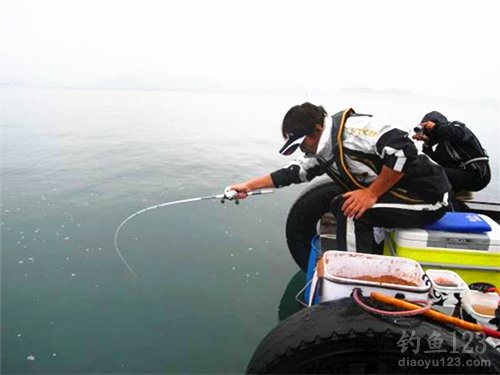
Ultimate Guide to Summer Jigging for Wild Yellow Catfish (Angelfish)
Let’s cut to the chase: wild yellow catfish—locally called “angelfish” where I am—are the unsung heroes of freshwater fishing. They’re small, ferocious, and taste like butter with zero annoying bones. But here’s the thing: store-bought ones? Total garbage. Most are farm-raised, loaded with hormones, and taste like sad, watered-down mush. If you’ve got kids, you know the drill: you want something safe, tasty, and actually good for them. That’s why I live for summer jigging for wild yellow catfish. Let’s dive into everything I’ve learned after years of chasing these little beasts.
Why Wild Yellow Catfish? Spoiler: They’re Way Better Than Store-Bought
First off, let’s get real about the difference between wild and farmed. I’ve tested both side by side, and it’s not even close. Wild yellow catfish have:
- Firmer, sweeter flesh (no weird “fishy” aftertaste)
- Zero added hormones or antibiotics (hello, peace of mind for your kids)
- More nutrients—think omega-3s and protein that actually sticks to your bones
Farmed ones? They’re fed cheap pellets, live in overcrowded tanks, and taste like they were raised on a diet of regret. No thanks. I’d rather spend a few hours on the water than risk giving my kid something sketchy.
When to Chase Wild Yellow Catfish: Timing Is Everything
Okay, so you’re sold on wild yellow catfish. Now, when’s the best time to catch them? Let’s break it down:
Spring vs. Summer: Summer Wins (No Contest)
I’ve tried fishing for them right after Qingming (that’s the Chinese solar term, but trust me, it’s early spring). The water’s still cold, and the bite is… meh. You might get a few, but it’s like waiting for paint to dry. Summer? Game. Changer. The water warms up, the catfish get hungry, and they’re out hunting like crazy.
My Golden Window: Post-Mei Yu to Early Fall
Where I am (Taihu Lake basin), the sweet spot is from after the Mei Yu (plum rain season) until early fall. The water’s warm, the bugs are hatching, and the catfish are in feeding mode 24/7. Night fishing? Even better. I’ve caught more big ones after dark than in a whole day of daytime fishing.
Watch Out for Poachers: Fish Early or Risk Nothing
Here’s the bummer: some spots have electric fishermen or cormorant poachers. They ruin everything. If you’re fishing in a popular area, hit it hard before May Day. After that? The catfish population drops like a rock. I’ve had days where I didn’t catch a single one because some jerk zapped the spot the night before. Total buzzkill.
Where to Find Wild Yellow Catfish: The Secret Spots
Yellow catfish are lazy predators. They don’t swim far for food—they hide and wait for prey to come to them. So where do they hide? Here are my go-to spots:
1. Bridge Pilings: The Ultimate Hangout
Bridge pilings are like catfish condos. They provide shade, cover, and a steady supply of bugs and small fish. I’ve fished pilings where I got a bite within 30 seconds of dropping my line. No joke. The key? Cast right next to the piling, not far from it. The catfish are right there, waiting.
2. Reed Beds and Grass Edges: Food Galore
Reeds and grass attract small fish, frogs, and insects—all catfish snacks. I’ve caught some monsters in shallow grassy areas. Just be careful not to snag your line on the grass. Pro tip: use a slightly heavier weight to keep your line down.
3. Logs and Debris: Hide-and-Seek Central
Logs, branches, and even old tires (gross, but true) are perfect hiding spots. The catfish will sit under them, waiting for something tasty to swim by. I once caught a 12-inch catfish under a rotting log—total surprise, but a good one.
Shallow vs. Deep: Shallow Wins for Numbers
You might think deep water is better, but nope. Shallow spots (2-4 feet) have more food, so more catfish. Deep spots might have bigger ones, but you’ll wait forever for a bite. I’ve tested this: at a shallow spot, I caught 15 catfish in an hour. At a deep spot nearby? 2. Not worth it.
Best Time of Day: Night Fishing = Maximum Catches
Let’s be real: yellow catfish are nocturnal. They hate bright sun. So the best time to fish is after dark, from dusk until 11 PM. I’ve had nights where I caught 20+ catfish in that window. Daytime? Maybe 5 if I’m lucky. Why? Because the sun makes them hide, and the dark lets them hunt freely.
Pro tip: if you’re new to night fishing, bring a headlamp. You don’t need it to see the water—just to tie knots and unhook fish. And wear bug spray. Mosquitoes love night fishing as much as catfish do.
Gear Up: No Fancy Stuff Needed (Thank Goodness)
You don’t need a $500 rod to catch yellow catfish. They’re small, so basic gear works. Here’s what I use:
Rods: Short, Sturdy, and Portable
I used to use a 2.7-meter long-section rod—total pain. It was hard to carry, hard to cast, and the guides were tiny. Now I use a 2.7-meter short-section rod. It’s portable, easy to cast, and has enough backbone to handle big catfish. Sensitivity? I don’t need much—yellow catfish hit hard, so you’ll feel it either way.
Reels: Spinning Reels Are Your Friend
Stick to spinning reels. They’re easy to use, even for beginners. I use a reel that holds 100 meters of 2-3 lb test line. Speed is key—get a high-ratio reel (like 5.2:1). Why? It lets you reel fast, which helps you avoid snags. If you’re dragging a snag, a fast reel can pull you free before the line breaks.
Line: Strong Enough, But Not Too Thick
I use 2.5 lb test main line and 1.5 lb test leader. Why? The leader is thin enough to be invisible, but strong enough to handle catfish teeth (they have tiny, sharp teeth—don’t underestimate them). If you go too thin, the teeth will cut the line. Too thick? The catfish will see it and avoid the bait.
Jigs: 3 Hooks Are Perfect (No More, No Less)
Here’s the big debate: how many hooks should you use? I’ve tried 4, 5, even 6. Total mistake. 3 hooks are ideal. Here’s why:
- Cold weather: bottom 2 hooks get most bites (catfish are low in the water)
- Warm weather: top 2 hooks get most bites (catfish move up)
- 3 hooks cover all zones without being a hassle
More hooks = more snags, more time tying knots, and more frustration. Trust me—stick to 3.
Hooks: Size 7 Sea Hooks or Size 7-8 Izumi Hooks
Yellow catfish have big mouths, so don’t use tiny hooks. I use size 7 sea hooks (sharp, thin wire) or size 7-8 Izumi hooks (stronger, good for bigger fish). If you use a tiny hook, the catfish will swallow it whole, and you’ll spend 10 minutes trying to get it out. No thanks.
Weights: 20-30 Grams (Just Enough)
You need enough weight to keep your jig on the bottom, but not so much that it gets stuck in the mud. 20-30 grams is perfect. If the current is strong, go heavier. If it’s calm, lighter. Test it out—you’ll figure it out fast.
Bait: Keep It Simple (Earthworms Work Best)
You don’t need fancy bait. Earthworms are the gold standard. Here’s why:
- They’re cheap (you can buy them at any bait shop)
- They’re easy to put on the hook (no mess)
- They smell like food to catfish
Some people use stinky black worms, but I hate them. They smell like rotten eggs, and they’re a pain to dig up. Regular earthworms work just as well—maybe better. I’ve caught more catfish with regular worms than with any fancy bait.
Chumming: Optional, But Worth It
Do you need to chum? No. But it helps. I use smelly bait (like chicken livers or fish chunks) or store-bought chum. Just toss a handful in the water, and wait 10 minutes. The catfish will smell it and come running. I’ve had days where chumming doubled my catch. Worth the 2 minutes it takes.
How to Fish: The Jigging Technique
Jigging for yellow catfish is easy. Here’s my step-by-step:
- Cast your line to your target spot (bridge piling, grass edge, etc.)
- Let the weight hit the bottom, then reel in 1 foot of line
- Wait 30 seconds. If no bite, reel in 6 inches, wait again
- Repeat until you feel a bite
Pro tip: don’t set the hook immediately. Yellow catfish are greedy—they’ll swallow the bait whole. Wait until you feel a steady pull or a series of tugs. Then set the hook hard. If you set it too early, you’ll miss the bite.
Reading the Bite: What to Look For
Yellow catfish have a distinct bite. Here’s what to watch for:
- Continuous tugs: that’s a catfish. Don’t ignore it.
- Single taps: that’s probably a small fish (like a minnow) nibbling. Ignore it.
- Line slack (backlash): that’s a big catfish. They’ll pull the line, then stop. Set the hook immediately—big ones are worth it.
I once had a big catfish pull my line so hard, my reel screamed. I set the hook, and it fought like crazy. Turned out to be a 14-inch monster—my personal best. Still have the photo on my fridge.
My Go-To Setup: Mixing Jigging and Float Fishing
Here’s a trick I learned: if the catfish are big but not dense, use a mix of jigging and float fishing. I’ll set up 1-2 jig rods for numbers, and 1 float rod for big ones. That way, I don’t have to watch the rods all the time. I can relax, drink a beer, and wait for the bell to ring. Works like a charm.
Final Thoughts: It’s About More Than Fish
At the end of the day, fishing for wild yellow catfish isn’t just about catching fish. It’s about getting outside, away from the screen, and spending time with your family. I’ve taken my kid fishing a few times, and even though he doesn’t catch much, he loves it. He gets to see nature, learn about fish, and eat a tasty meal at the end. Win-win.
So if you’re tired of store-bought fish, give summer jigging a try. It’s easy, fun, and you’ll get a meal that’s actually good for you. Just remember: watch for poachers, use simple gear, and fish at night. You’ll thank me later.