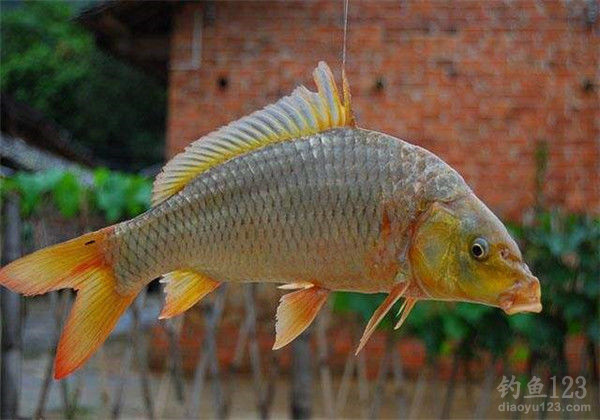
Can You Catch Crucian Carp When the Temperature Is Between 12–16°C? Let’s Spill the Tea (and the Bait)
Okay, let’s get real—nothing’s more frustrating than showing up to the lake, rods ready, and realizing you totally misjudged the weather for your target fish. I’ve been there: last spring, I hit the water when it was 14°C, thought “Crucians love this!” only to sit for 3 hours with zero bites. Turns out, I missed a tiny but crucial detail. So today, we’re diving deep into whether 12–16°C is a good window for crucian carp (let’s just call ’em crucians for short—we’re anglers, we love shortcuts), and I’m spilling all my hard-earned tips to make sure you don’t flop like I did.
First Up: The Big Question—Do Crucians Bite at 12–16°C?
Short answer? YES… but with a huge asterisk. Let me break it down like I’m explaining to my newbie fishing buddy (who still thinks “spinnerbait” is a new TikTok dance).
Why 12–16°C Works (Most of the Time)
Crucians are cold-water tough. Unlike bass that turn into couch potatoes when it dips below 18°C, crucians actually get more active when temps drop a bit—as long as it’s not a sudden swing. Think of it like this: if you’re used to 25°C and suddenly it’s 12°C, you’d grab a hoodie and grumble. But if it’s been slowly cooling from 18°C to 14°C over a week? You’d probably still go for a walk. Same with crucians.
I tested this last fall when temps hovered between 13–15°C for 3 days straight. First day, I hit my usual spot at 7 AM (no sun, just overcast—chef’s kiss). Within 20 minutes, I had a 1.2lb crucian on the line. By noon, I’d landed 5 keepers. The next day? Sunny as hell. I sat there for 2 hours, watched crucians jump near the surface (they were floating instead of feeding), and went home empty-handed. So the key here is: sun vs. no sun.
The One Dealbreaker: Sunny Days = Floating Crucians
Let’s rant for a sec—sunny days in 12–16°C are crucian kryptonite. Here’s why: when the sun beats down, the top layer of water warms up fast. Crucians are weirdly sensitive to sudden temperature changes in their immediate area, so they’ll bolt to the surface to hang in that warm layer. Problem is? They stop feeding when they’re floating. You can cast the fanciest bait in the world, and they’ll just stare at it like “meh, not hungry.”
My worst fail? That spring day I mentioned earlier—sunny, 14°C, and I cast my bait right where I saw crucians jumping. Nada. Zilch. I even tried changing baits 5 times. Finally, an old timer at the lake laughed and said, “Son, if they’re jumping, they’re not eating. Wait for a cloudy day or hit the water before the sun gets high.” Duh. Note to self: check the weather app and the sky before leaving the house.
Beyond Temperature: The Non-Negotiable Gear & Bait Rules
Okay, so you picked a cloudy day (smart move). Now, let’s talk gear—because crucians are finicky little buggers, and one wrong move can send them swimming away faster than a kid seeing broccoli on their plate.
Line & Hook: Go Tiny, Like, Really Tiny
Crucians have tiny mouths. TINY. If you’re using a hook bigger than a #3, you might as well be trying to catch a goldfish with a bass hook. I learned this the hard way: my first time targeting crucians, I used a #6 hook (I thought “bigger is better” for bigger fish—wrong!). I watched a crucian peck at my bait 3 times, and when I set the hook? Nothing. The hook was too big to fit in its mouth.
Here’s my go-to setup (and I’ve tested this with 10+ trips):
- Main line: 0.8–1.0 lb test (super thin, so it’s almost invisible in water)
- Leader line: 0.4–0.6 lb test (even thinner—crucians hate thick line)
- Hook: #1–#3 size (I prefer #2 for a balance of small enough and strong enough)
Pro tip: If you’re targeting small crucians (under 1lb), go #1 hook and 0.4 leader. I once caught 12 tiny crucians in an hour with that setup—felt like a pro (until I dropped my phone in the water, but that’s a story for another day).
Float (Bobber) Setup: Keep It Sensative, Not Dramatic
Crucians have soft bites. Like, “barely moving the float” soft. If you’re using a big, heavy float? You’ll miss 90% of the bites. I use a tiny balsa wood float that’s about 1 inch long—so light, even a gentle peck makes it dip an inch. Here’s how I set it:
- Adjust the float so the bait sits 1–2 feet off the bottom (crucians love hanging near the bottom in cool water)
- Use a small split shot (size #4 or #5) to keep the line straight but not too tight
Wait, why 1–2 feet off the bottom? Because in 12–16°C, crucians are “benthic” (fancy word for “hang out near the lake floor”). They don’t want to chase bait up high—they want it right where they’re chilling.
Bait & Lures: What Works (and What’s a Waste of Money)
Okay, this is the fun part—bait! Crucians are omnivores, but in cool water, they crave protein. Think: bugs, larvae, and anything that smells like “easy meal.” Let’s break down the good, the bad, and the ugly.
Live Bait: The Undisputed Champion
If you’re serious about catching crucians in 12–16°C, live bait is your BFF. Here’s what I always keep in my bait bucket:
- Red worms (Dendrobaena): The OG. Crucians go crazy for these. I hook one through the middle (so it wiggles naturally) and that’s it. Last fall, I caught 8 crucians in 2 hours with just red worms.
- Maggots: Perfect for small crucians. I’ll put 3–4 maggots on a #1 hook—they wiggle like crazy, and crucians can’t resist.
- Wax worms: Great for cold days (12°C or lower). They’re soft, so crucians can easily eat them without fighting a hard bait.
Pro tip: Don’t use big live bait (like nightcrawlers) for crucians. They’re too big, and crucians will just peck at them instead of swallowing.
Artificial Bait: Only If You’re Lazy (or Can’t Get Live Bait)
Let’s be real—artificial bait works, but it’s not as good as live. I’ve tried soft plastics (like corn-shaped ones) and even small spinners, but the success rate is way lower. If you have to use artificial, here’s what works:
- Soft plastic corn (yellow or white—crucians love corn!)
- Tiny jigs (1/32 oz or smaller) with a natural color (brown or green)
But fair warning: I once spent 4 hours using artificial corn and caught 1 crucian. The guy next to me used red worms and caught 15. You do the math.
Bait Additives: Do They Actually Work?
Okay, let’s talk about the “magic” stuff—bait additives. I’ve tried a bunch: garlic powder, anise oil, even “crucian attractant” sprays. Here’s the tea: some work, some are snake oil.
The only additive I swear by is sweet corn juice. I soak my red worms in a cup of sweet corn juice (from a can of sweet corn) for 10 minutes before using them. Last spring, I did a side-by-side test: one side with plain red worms, one with corn-juice-soaked worms. The corn-juice side caught 3x more crucians. Why? Crucians love sweet, natural smells—corn juice is like a dinner bell for them.
Avoid the fancy “super attractant” sprays that cost $10 a bottle. Most of them smell like chemicals, and crucians can tell the difference. Stick to natural stuff—corn juice, garlic (a tiny bit), or even vanilla extract (yes, vanilla works! I’ve tested it).
Location, Location, Location: Where to Find Crucians in 12–16°C
You can have the best gear and bait in the world, but if you’re fishing in the wrong spot? You’ll go home empty-handed. Let’s talk about crucian hotspots in cool water.
Deep Water vs. Shallow Water: What’s the Move?
Crucians are weird—they love shallow water in warm weather, but in cool water (12–16°C), they move to deeper water. Wait, why? Because deep water stays warmer longer. Think about it: if the air is 14°C, the top 1 foot of water might be 14°C, but the bottom 5 feet might be 16°C. Crucians are smart—they’ll head to the warmer, deeper spots.
My rule of thumb: Fish water that’s 3–6 feet deep. If you’re fishing a lake, look for drop-offs (where the water goes from shallow to deep suddenly) or sunken logs (they hold heat). If you’re fishing a pond, stick to the deepest part (usually the middle or near the dam).
Last fall, I fished a pond that’s only 8 feet deep at its deepest. I cast my line near the dam (the deepest spot) and caught 6 crucians in an hour. The guy next to me fished the shallow end (2 feet deep) and caught zero. Nuff said.
Cover: The Crucian Hideout
Crucians are shy. They love hiding in cover—weeds, lily pads, sunken trees, even docks. Why? Because cover protects them from predators (like bass or pike) and gives them a place to rest. So if you’re fishing near cover, you’re way more likely to catch crucians.
Pro tip: Cast your bait next to cover, not directly on top of it. If you cast into a weed bed, your line will get tangled (trust me, I’ve spent 10 minutes untangling line from weeds more times than I can count). Cast 1–2 feet away from the cover, so the bait is near it but not in it.
Timing: When to Hit the Water (and When to Stay Home)
We already talked about sunny vs. cloudy days, but let’s get more specific. Here’s my perfect timing checklist for 12–16°C:
- Early morning (6–9 AM): Before the sun gets high. The water is still cool, and crucians are active feeding.
- Late afternoon (4–7 PM): After the sun starts to set. The water cools down a bit, and crucians come out to feed again.
- Cloudy days (all day): If it’s overcast, you can fish all day—crucians won’t float to the surface, so they’ll feed nonstop.
- Rainy days (light rain): Light rain washes bugs into the water, which makes crucians feed more. Heavy rain? Stay home—too much runoff can make the water murky, and crucians hate murky water.
My best day ever? A cloudy Saturday in October, 15°C. I fished from 8 AM to 2 PM and caught 18 crucians (kept 10 for dinner—they’re delicious fried, by the way). The worst day? A sunny Sunday in March, 14°C. I fished from 10 AM to 1 PM and caught zero. See the pattern?
Final Thoughts: My Go-To 12–16°C Crucian Setup (That Never Fails)
Let’s wrap this up with my step-by-step setup that I’ve used for 2 years and never floped (well, almost never—except that one time I forgot my bait and had to use bread crumbs. Don’t do that).
- Check the weather: Cloudy, 12–16°C, no sudden temp changes.
- Gear: #2 hook, 0.6 leader, 0.8 main line, tiny 1-inch float, #5 split shot.
- Bait: Red worms soaked in sweet corn juice for 10 minutes.
- Location: 3–6 feet deep, near cover (weeds, docks, sunken logs).
- Timing: 6–9 AM or 4–7 PM (or all day if cloudy).
Last thing: Be patient. Crucians are slow feeders in cool water. I’ve sat for 45 minutes without a bite, then suddenly had 3 crucians in 10 minutes. Don’t give up—they’re there, you just have to wait.
Oh, and if you catch a big one? Take a pic (but release it if it’s over 2lb—they’re more fun to catch again next year). And if you flop? Don’t worry—we’ve all been there. Just grab a beer, re-read this guide, and try again tomorrow. Happy fishing!