Why Black Carp Fishing Is the Ultimate Angler’s Challenge (And How to Nail It)
Let’s be real—if you’re into fishing, you’ve probably daydreamed about landing a monster black carp. These bad boys are the heavyweights of freshwater: they grow to over 100 pounds, fight like a freight train, and are the ultimate trophy for any angler who’s tired of “small fry” catches. But here’s the thing: black carp (also called “snail carp” or “black silver carp”) aren’t just big—they’re smart. Blindly casting a line into a lake? You’ll probably spend 10 days without a bite (trust me, I’ve been there). So if you’re ready to stop guessing and start catching, let’s break down everything you need to know about bank fishing for black carp in lakes and reservoirs.

Step 1: Find the Black Carp Hotspots (Or Waste 10 Days Like I Did)
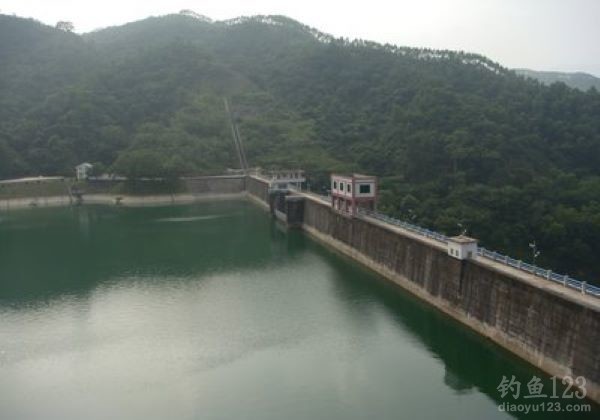
First rule of black carp fishing: location is everything. These fish are deep-water lovers—you’ll almost never find them in shallow spots (unless it’s spawning season, but let’s stick to basics). Here’s how to spot their favorite hangouts:
Ask the Locals (Don’t Be Shy!)
Old-timers at the lake know where the big ones live. I once spent 3 days fishing a random cove until a local laughed and said, “Son, the carp are 2 miles that way—by the old dock.” Sure enough, I hooked a 40-pounder the next day. Pro tip: Bring a cold soda or a snack to bribe them—most anglers love sharing tips (especially if you’re not poaching their spot).
Look for Snail Shells (The Ultimate Clue)
Black carp live to eat snails, mussels, and clams. So if you see a shoreline littered with empty snail shells? That’s a goldmine. Walk the bank, keep your eyes peeled, and if you spot a cluster of shells, that’s where the carp are feeding. Just don’t forget to mark the spot—more on that later.
Pick Deep Water (No Shallows Allowed)
Black carp hate shallow water. Aim for spots that are 10+ feet deep, especially near drop-offs or sunken trees. I once tried fishing a 5-foot spot and caught nothing but sunfish. When I moved to a 15-foot drop-off? Bam—first cast, a 35-pound carp hit my line. Lesson learned: deep = carp.
Step 2: Gear Up Like a Pro (No Wimpy Rods Allowed)
You can’t catch a 100-pound carp with a rod that feels like a noodle. Here’s the gear you need (and what to skip):
Rods & Reels: Go Big or Go Home
- Rods: 12+ foot (3.6m+) casting rods with a stiff backbone. I use 5 rods at a time (yes, 5—more lines in the water = more chances). Look for rods labeled “heavy action” or “carp specific.”
- Reels: 5000 series or bigger. The line capacity is non-negotiable: you need enough line to reach your spot plus 30 meters extra (trust me, you’ll thank me when a carp bolts for the middle of the lake). Avoid cheap reels—they’ll seize up mid-fight.
Line: Thick = Tough (But Not Too Thick)
Line choice depends on the size of carp you’re targeting:
- 30 lbs or under: 10 lb test monofilament (braid works too, but mono is cheaper and easier to handle).
- 30 lbs +: 12 lb test or higher. I once used 8 lb line and a 40-pounder snapped it like a twig. Don’t be that guy.
Pro tip: Check your line for nicks before every cast. A tiny nick can turn a trophy catch into a “the one that got away” story.
Hook Setups: Explosion Hooks vs. Single Hooks
Not all hooks are created equal. Here’s when to use each:
Explosion Hooks (For Flat, Clean Bottoms)
Explosion hooks (a cluster of 4-6 hooks tied to a leader) are great for flat areas with no rocks or trees. You can mold a big ball of bait around them, and when a carp eats, the hooks spread out—maximizing your chance of hooking it. Pair with a 30g olive-shaped sinker to keep the bait on the bottom.
Single Hooks (For Rocky, Messy Bottoms)
If your spot has rocks or sunken debris, explosion hooks will get snagged every time. Use a single hook instead (12-14 size, I prefer Octopus hooks). Pair with a 60g+ sinker (heavy enough to cast far and stay put). Use a 50cm cotton leader (yes, cotton—carp are skittish, and cotton is less visible than nylon). Pro tip: Keep the leader long—shorter leaders make carp nervous.
Net & Accessories: Don’t Skip the Big Net
A tiny net = a lost carp. Get a deep, wide net with a thick mesh (nylon works best). I once tried to net a 50-pounder with a small net— it broke free and swam away. Now I carry a net that’s big enough to fit a golden retriever. Also, bring a rod holder (to keep your rod off the ground) and a bell (to alert you when a carp bites—trust me, you’ll get distracted).
Step 3: Bait & Chumming: The Secret to Luring Big Carp
Black carp are picky eaters. Use the wrong bait, and you’ll catch nothing but minnows. Here’s what works (and what to avoid):
Top 3 Baits for Black Carp
- Corn: Fermented old corn or fresh old corn (not sweet corn—too many small fish love it). I ferment my corn in a bucket with sugar and yeast for 3 days—carp go crazy for it.
- Snails: The #1 natural bait. Don’t crush them all the way—just crack the shell a little (so the smell comes out, but the snail is still alive). If you crush them fully, minnows will eat all the bait before the carp arrive. Pro tip: Use soft-shell snails (easier for carp to eat).
- Distillers’ Grains: The leftover mash from brewing beer or whiskey. It’s stinky, fermented, and carp can’t resist it. Bonus: It also attracts big catfish and grass carp.
Chumming: Bait the Area (Don’t Just Cast Once)
Black carp are spread out in lakes—you need to “call” them to your spot. Here’s how:
- Timing: Chum 1-2 days before you fish. I once chummed in the morning and fished that afternoon—nothing. When I chummed Friday and fished Saturday? 3 carp in 4 hours.
- Amount: Go big—1-2 buckets of chum per spot. Carp have big appetites, so don’t skimp.
- Mark the Spot: Tie a plastic bottle to a rock and drop it in the middle of your chum area. The bottle will float, so you can find your spot even if the water is choppy. I once forgot to mark my spot and spent 2 hours casting blind—total waste.

Step 4: Fishing Tactics: How to Hook (and Land) a Monster
You’ve got the spot, the gear, and the bait—now what? Here’s how to fish like a pro:
Pre-Cast Checks (Don’t Skip These!)
Before every cast, check:
- Your line for nicks (replace if damaged).
- Your hook for sharpness (dull hooks = missed bites).
- Your drag setting (set it so you can pull line with 10+ pounds of force—too tight = broken line, too loose = lost carp).
Hooking the Bait (Do It Right)
- Corn: Thread 3-4 kernels onto the hook (so small fish can’t steal one kernel and leave the rest). Leave the hook tip exposed.
- Snails: Push the hook through the snail’s soft head (not the shell). Leave the hook tip exposed—carp will suck in the snail and hook themselves.
Casting: Hit the Spot Every Time
Practice casting to your marked bottle. I once missed my spot 10 times in a row—by the time I hit it, the carp had left. Once you’re on target, tighten the line a little (but don’t lock the drag!).
Detecting Bites (It’s Not What You Think)
Black carp don’t “nibble”—they suck. Here’s how to spot a bite:
- Bells: The bell will ring once (not repeatedly—small fish ring bells nonstop).
- Rod Tip: The tip will bend down slowly (not jerk up). If your rod tip is bouncing? That’s a small fish—ignore it.
- Fish Bubbles: Black carp blow big, slow bubbles (1-2 inches wide). Use binoculars to watch your spot—if you see bubbles, get ready.
Step 5: Fighting the Carp: The Ultimate Battle
Okay, you’ve hooked a carp—now the real fun begins. These fish fight hard, so here’s how to win:
Step 1: Let It Run (Don’t Pull Back!)
When a carp bolts, let it take line. If you pull back, you’ll break the line or pull the hook out. Keep your rod at a 60-degree angle to the water (never point it straight up—you’ll snap the rod).
Step 2: Tire It Out (Patience = Success)
Black carp have tons of energy—don’t try to reel it in fast. Let it run, then reel slowly when it slows down. I once tried to reel in a 40-pounder fast— it snapped my line. Now I spend 10-15 minutes tiring it out.
Step 3: Net It (Don’t Rush!)
Wait until the carp is tired (it’ll roll on its side). Then slowly guide it to the net. Don’t lift the net out of the water until the carp is fully inside—if you lift it early, the carp will jump out. Pro tip: Have a friend hold the net (two people are better than one).
Final Thoughts: It’s All About the Experience
Let’s be honest—black carp fishing isn’t easy. You’ll spend days without a bite, you’ll break gear, and you’ll lose fish. But when you land that 50-pound monster? It’s worth every second. I still remember my first big carp: I was shaking, my hands were sore, and I couldn’t stop smiling. That’s the magic of this sport.
So next time you’re at the lake, don’t just cast a line—do your research, gear up, and be patient. And if you see a local angler with a big net? Buy them a soda—they probably have the best tips. Tight lines, and may your next catch be a monster!