Want to Catch a Ton of Carp in Reservoirs? Do These 3 Things!
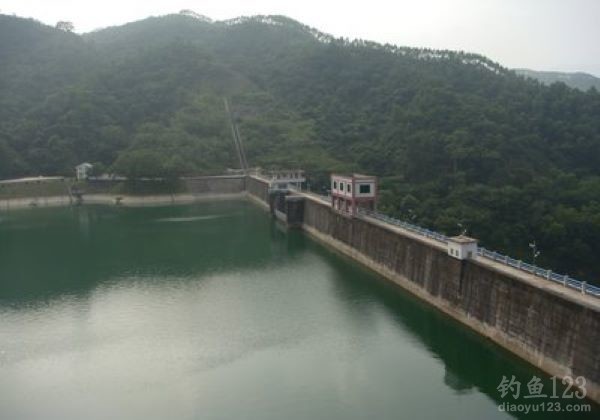
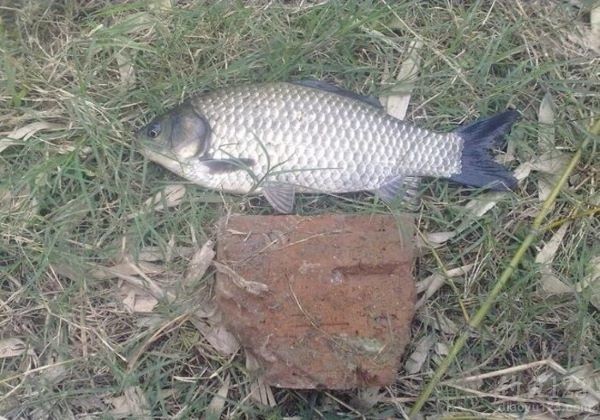
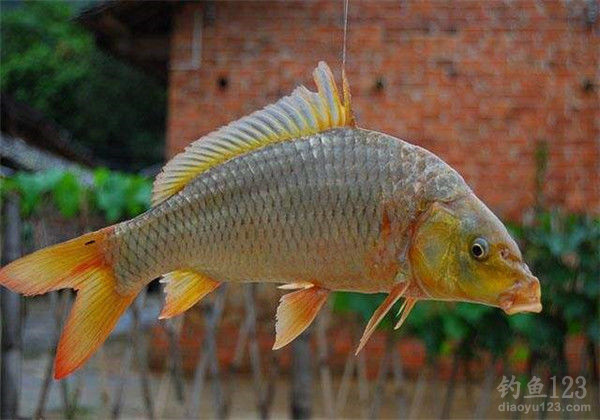
Let’s be real—there’s nothing like reservoir carp fishing. The water’s clean, the fish are big and wild, and if you pick a pay-per-day spot (like $10-$20 a day, no electrofishing or netting), you’re basically guaranteed a fair fight with healthy carp. I’ve spent way too many weekends chasing these guys, and let me tell you—skip these three steps, and you’ll be going home empty-handed. Let’s dive in!

1. Nail the Spot: Where Do Reservoir Carp Actually Hide?
Reservoirs are huge—you can’t just cast anywhere and hope for the best. I’ve wasted hours fishing deep holes that looked “fishy” only to catch nothing. Here’s what actually works:
Spring Shallows: The Carp’s Spring Break
Reservoirs are deep—like 10+ meters deep in spots. But in spring? Carp don’t care about depth. They’re heading to the shallows to feed, spawn, and soak up that warm sun. Pro tip: Stick to water less than 3 meters deep. Early spring? 2 meters max. Late spring? Still under 3 meters. Deep water = no carp. Trust me, I’ve learned this the hard way.
Former Farmland: The Carp’s Buffet
This is my secret weapon. Talk to locals—ask where the reservoir used to be farmland before it was flooded. Those old fields are flat, shallow, and full of leftover seeds and bugs. Carp love ’em. For spring: 2 meters in early spring, 1.5 meters in mid/late spring (on sunny days). I once caught 5 carp in 2 hours here—total game-changer.
Sloping Shores: The All-Rounder
Sloping beaches that drop off gradually? Carp use these to move between deep and shallow water. You’ll catch more than just carp here (hello, random grass carp!), but that’s half the fun. Just make sure the slope isn’t too steep—carp hate feeling trapped.
Underwater Ledges: Summer’s Secret Spot
Okay, this one’s more for summer, but it’s worth mentioning. Carp love ledges because they can hide in the deep and dart up to feed in the shallow. If you’re fishing later in the year, find these—they’re gold.
2. Timing Is Everything: When Do Reservoir Carp Actually Bite?
You can have the best spot and bait, but if you’re fishing at the wrong time? Forget it. Here’s when I’ve had the most luck:
Rainy Spring Days: The “Bite Window” You Don’t Want to Miss
Wait, rainy days? Hear me out. When it rains, surface water cools down, but the bottom stays warm. Carp dive to the bottom to feed—hard. I once fished through a light rain and caught 8 carp in 3 hours. Just bring a rain jacket—worth it.
“Hazy” Sunny Days: The Calm Before the Bite
Not full sun—hazy sun, where clouds block the light but it’s not dark. Water temp stays steady, and carp feel safe. I’ve had days where I thought I’d catch nothing, then the haze hits, and boom—carp start hitting.
Windy Sunny Days: Downwind Is Your Friend
Wind pushes food (bugs, seeds) to the downwind shore. Carp follow the food. Plus, wind adds oxygen to the water—carp love that. Just don’t fish in 20+ mph wind—you’ll fight the rod more than the fish.
Night Fishing: The Carp’s Happy Hour
Carp are skittish—they hate crowds and bright sun. At night? They come out to play in the shallows and grassy areas. No tiny fish stealing your bait (thank goodness!), and the bite is slow but steady. I once stayed out till 11 PM and caught 6 carp—worth the tired eyes the next day.

3. Bait That Actually Works: Stop Wasting Money on Junk
Reservoir carp are wild—they don’t fall for cheap store bait. You need something that stinks (in a good way) and sticks around. Here’s what I use:
Go a Little “Meaty”: Reservoir Carp Love the Smell
Reservoirs are big—your bait needs to travel. That means a little extra “fishy” smell. Don’t go overboard (no one wants to smell like bait all day), but a touch of extra scent helps.
Top Bait Picks (I’ve Tested These—They Work)
- Boiled Wheat & Corn Mix: Cook wheat and corn, mix with a little beer or carp attractant, and let it sit overnight. Toss a handful as chum—carp will smell it from miles away.
- Store-Bought Bottom Bait: Look for bait with added scents (vanilla, garlic, or fish oil). It’s easy, and the extra scent cuts through the big water.
- Fresh Corn (May+): Once the water warms up (May or later), fresh corn is king. Toss a handful as chum, then use a kernel on your hook. I’ve caught 10+ carp in a day with this.
- Cooked Wheat (With a Twist): Cook wheat, add a little salt or honey, and let it cool. It’s cheap, easy, and carp go crazy for it.
Quick tip: Don’t skimp on chum. Toss a handful every 30 minutes—carp are greedy, and they’ll stick around if there’s free food.
Okay, let’s wrap this up. I’ve been fishing reservoirs for 10 years, and these three steps are non-negotiable. Pick the right spot (shallows, old farmland), fish at the right time (rainy days, night), and use the right bait (smelly, fresh). Last month, I took my buddy who’s a total newbie—we followed these steps, and he caught 4 carp. He’s now obsessed. Give it a try, and let me know how it goes! Just don’t forget the sunscreen (and a rain jacket—you never know).