618 Fishing Tips: How Bottom Conditions Affect Your Baiting Strategy for Faster Bites
Let’s be real—every angler knows the old saying: “If you don’t bait, you won’t catch much.” But here’s the thing: I’ve seen so many buddies (and even myself, back in the day) drop a pile of bait, sit there for hours, and go home with zilch. Then they start blaming everything: “The fish are gone!” “The pressure’s wrong!” “I sat on the wrong rock!”
Sure, those factors matter. But most of the time? They’re missing the biggest culprit: the bottom of the water. Different bottoms mean different baiting rules—and if you don’t adapt? Your bait might as well be invisible. Let’s break down the three common bottom types I’ve fought (and mastered) over the years, plus exactly what to do for each.

The 3 Bottom Types Every Angler Must Learn to Spot
Before you even think about dropping bait, you need to find out what’s under the water. A quick “heavy lead test” will tell you everything. Here’s what to look for:
1. Smooth, Hard, Flat Bottoms (The “Easy Mode” Bottom)
These are the ponds or rivers that were recently dredged, or brand-new pits. When your lead hits the bottom, it’s a clean “clink”—no squish, no snag. Perfect, right? Well, almost.
What works here? Granular baits—think pellets, corn, or even crushed boilies. Why? Because the flat surface lets fish easily suck up the bait without digging through muck. I once fished a new gravel pit where I dumped a handful of 6mm pellets, and within 10 minutes, I had a 2lb carp on the line. No fancy stuff—just simple, visible bait.
Pro tip: This bottom is great for both bottom fishing and float fishing. Want to mix it up? Try a floating bait for surface feeders—they’ll dart up for the easy meal.

2. Thick Mud & Sludge Bottoms (The “Tricky” Bottom)
These are the old ponds that haven’t been cleaned in 10+ years. When your lead hits, it’s a muffled “thud”—and if you pull it up, it’s caked in black gunk. Yuck. And here’s the worst part: that sludge rots, releasing stinky gas. Fish hate that.
I learned this the hard way at an abandoned quarry. Two guys were there complaining: “We see tons of fish, but they won’t bite!” I checked the bottom—lead came up covered in muck. So I switched to light, floating baits (like bread flake or a small pop-up boilie) and started “searching” the water column. Sure enough, 18 inches below the surface? The water was alive with bites. I landed 12 small carp in an hour—while those guys were still staring at their bottom rigs.
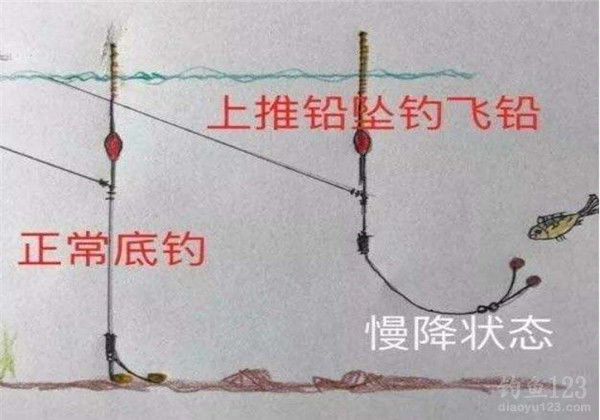
Key rule here: Don’t fish the bottom. Fish will be up in the water column, avoiding the toxic sludge. Use a float rig to target 1-3 feet down, and use highly aromatic baits (like garlic or strawberry) to cut through the muck’s smell.

3. Weedy, Rocky, or Snaggy Bottoms (The “Waste-Of-Bait” Bottom)
This is the worst—your lead gets stuck on rocks, weeds, or old debris every 5 minutes. When you drop bait, it falls into the gaps between plants or rocks… and fish can’t reach it. I once wasted half a bag of boilies here before I figured it out.
So what’s the fix? Don’t bait at all. Wait, what? Hear me out: instead of dumping a pile, use small, frequent “chunks” of bait with your rig. Like, every 5 casts, add a tiny piece of bread or a 1cm boilie to your hook. This way, the bait stays in the open water, not hidden in the weeds.
I tested this at a weedy lake last month. First, I tried dumping pellets—nothing. Then I switched to a small hook with a piece of corn, and every 3 casts, I’d flick a tiny piece of bread into the water. Within 20 minutes, a 1lb roach took the corn. By the end of the day, I had 8 fish—way better than the zero I got with the big bait pile.

My Go-To Checklist for Any Bottom Type
After years of messing up (and finally getting it right), I now follow this 3-step rule every time I fish:
- Step 1: Test the bottom first—drop a heavy lead (1oz+) and feel the “thud” or “clink.” If it’s sticky, you’ve got mud. If it snags, weeds/rocks.
- Step 2: Match the bait to the bottom—granular for flat, floating for mud, no big piles for weeds.
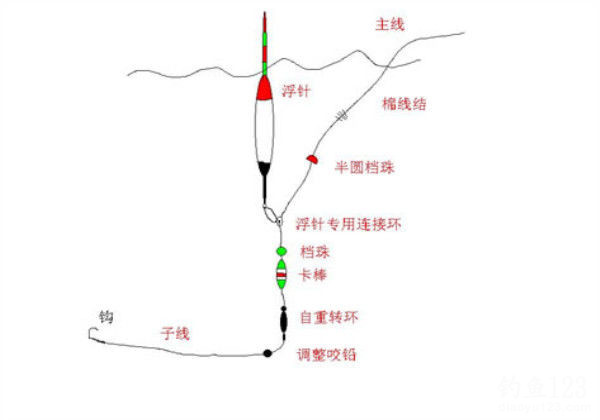
- Step 3: Adjust your rig—use a short leader for snags (so it doesn’t get stuck), a float for mud, and a heavy sinker for flat bottoms.
Trust me—this checklist has cut my “zero catch” days by 70%. Last week, I fished a river with a muddy bottom, used a float rig with garlic bread, and landed 5 chub in 2 hours. My buddy skipped the checklist, dumped pellets on the bottom, and went home empty-handed. Ouch.

Why Most Anglers Mess This Up (And How to Avoid It)
Here’s the mistake I see all the time: anglers use the same bait and rig for every spot. They think, “I caught fish with this boilie last week—why not today?” But the bottom changed! That boilie that worked on a flat bottom gets buried in mud and wasted.
Another big mistake: not moving if the bottom is bad. If you’re in a snaggy area, don’t just sit there—move 10 yards to a clearer spot. I once moved from a weedy bank to a small patch of flat bottom, and my catch went from 0 to 6 fish in 30 minutes.
Oh, and one more thing: smell matters for muddy bottoms. The sludge is stinky, so your bait needs to be stronger. I use garlic or anise extract on my bread—fish can smell that from 10 feet away, even through the muck.

Final Thought: Share Your Mistakes (I’ve Got Plenty)
Look, I’m not a pro—just a guy who’s spent way too many weekends chasing fish and learning from my fails. I once wasted $20 on boilies in a muddy pond because I didn’t test the bottom. Another time, I got my rig stuck in weeds for 20 minutes because I forgot to adjust the leader length.
So what’s your worst bottom-related fail? Drop a comment below—let’s laugh about it (and help each other not make the same mistake again). And if you try these tips? Let me know how it goes! I’d love to hear about your catch.
Happy fishing—may your bait never get buried, and your bites never stop!