The Ultimate 4-Step Guide to Winter Wild Fishing: Don’t Waste a Second!
Let’s be real, wild fishing has a pull on us anglers that a manicured pond just can’t match. It’s the mystery, the challenge, the sheer unpredictability of it all. But that same unpredictability means fish aren’t just lining up to jump in your net. In winter, when the water’s cold and the fish are sluggish, every single minute of daylight is precious. You can’t afford to show up at the bank and just wing it. After too many trips where I fumbled with my gear while my buddy was already landing fish, I developed a system. A step-by-step process that’s efficient, logical, and, most importantly, gets your bait in the water faster. This is my no-nonsense, 4-step guide to winter wild fishing. Follow it, and you’ll be fishing while others are still untangling their line.
Why a Systematic Approach is Your Winter Lifesaver
Winter fishing is a game of patience and precision. The fish’s metabolism is slow, they move less, and attracting them takes time. A chaotic, rushed start doesn’t just waste your precious fishing time; it can spook fish in the area before you even begin. Having a disciplined routine from the moment you arrive at an unfamiliar spot is the difference between a hopeful start and a frustrating one. This guide is about making smart decisions in the right order, maximizing your chances from the very first cast.
The 4-Step Winter Wild Fishing Blueprint
Think of this as your battle plan. Each step sets up the next. Skip one, and the whole operation gets wobbly.
Step 1: Scout & Sound – Find the Right Depth FIRST
This is where most beginners mess up big time. You get to this beautiful, wild new spot, full of excitement. What’s the first thing you do? If you said “throw a ton of bait in the water,” you’re guilty! I’ve been there. You get all your gear set up, only to find the bottom is a mess of weeds, the depth is 10 feet when you wanted 5, or it’s just a barren underwater desert. Now you have to pack up, move, and you’ve wasted bait on a dead zone. Don’t be that person.
Your absolute first task is reconnaissance. Winter fish often school in specific depth zones. You need to find that zone.
- The Tool: Your rod, reel, and a heavy sinker. Don’t even think about your tackle box yet.
- The Mission: Pick a promising-looking spot (near structure, drop-offs, etc.). Attach a heavy lead weight to your line—heavy enough to anchor the float completely.
- The Action: Cast out and find the bottom. Reel in and try a few spots around your chosen area. Measure the depth. Is it suitable for the season? In winter, sometimes deeper, slower pools are better; other times, shallow sun-warmed bays hold fish. Know your target.
- The Rule: If the depth is wrong, or the bottom feels like a junk yard (snags, thick mud), WALK AWAY. Immediately. It hurts, but it saves hours. Find the right depth before you do anything else.

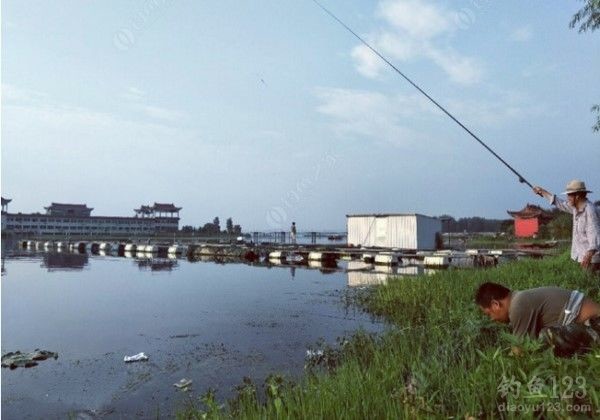
See that guy in the picture? He’s not fishing yet. He’s doing the most important job: figuring out where to fish. Get this step right.
Step 2: Lay the Foundation – Precision Baiting
You’ve found your spot. Perfect depth, decent bottom. Now, before you get distracted by shiny lures or float adjustments, it’s time to build your restaurant. In wild waters, fish are spread out. You need to call them to your table. And since everything is slower in winter, you want that invitation to go out as early as possible.
This is your baiting moment. But it’s not about chucking a bucket of bait and hoping for the best.
- Timing is Key: Do this right after finding your depth. While the bait is working its magic and starting to attract curious fish from a distance, you can set up the rest of your gear. Multitasking at its finest.
- Accuracy is Everything: Use a baiting spoon or a catapult for distance. You need to hit your mark.
- Flat bottom? Aim right around where your float will sit.
- Sloping bottom? This is a classic trap! If you throw directly on your marker, the bait will roll down the slope away from your hook. Aim slightly behind your target spot (towards the bank) so it rolls into your fishing zone.
- Quantity Matters: Don’t overdo it, especially in winter. A few handfuls of high-quality, smelly bait are better than a mountain of boring stuff. You want to attract them, not feed them a full banquet so they ignore your hook.

Precision baiting. Get the food in the right place, and give it time to work. Your future self, who is already fishing, will thank you.
Step 3: Prep the Main Course – Mixing Your Bait
Your underwater restaurant has its “Open” sign lit (the bait). Now, you need to prepare the gourmet dish – the bait on your hook. This is where you get creative, but also cautious.
Why now? Because good bait needs to “rest” or “cure.” The flour needs to absorb the water and bind properly. If you mix it and use it immediately, it might fall off the hook or have the wrong texture. Mixing it after baiting gives it that crucial 10-15 minutes to become perfect.
- Start Small: You’re in a new spot. You don’t know if the fish today want sweet, spicy, or cheesy. Mix a small batch first. Test it. See how the fish react. You can always mix more, but you can’t unmix a huge batch of the wrong flavor.
- Mind the Water: Cold water affects bait. Often, you need stronger scents (like fishmeal, krill) as smell travels slower. Also, bait can be stiffer. Consider additives to keep it soft and palatable in cold temps.
- Consistency is King: It should stick to your hook firmly but break apart attractively in the water. Play with the water ratio until it feels right.

Let that bait sit. Walk away. This waiting period is built into the process. While it’s resting, you move to the next critical step.
Step 4: Fine-Tune Your Interface – The Art of Float Fishing
Your spot is scouted, the bait is down, the hook bait is resting. Now, with zero rush, you set up your communication device: the float rig. This is where patience pays off literally. A poorly adjusted float will lie to you all day.
You already have the heavy sinker on from Step 1. Let’s use that.
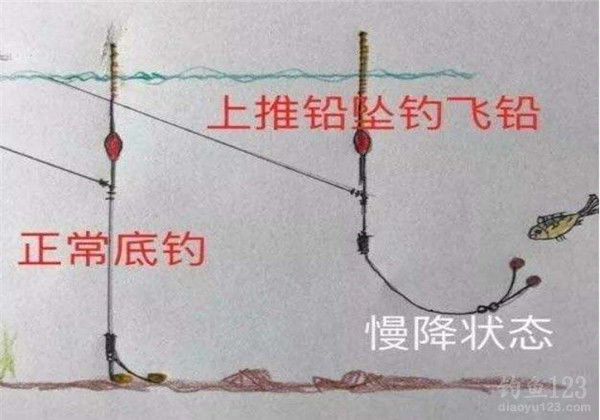
- Find Your “Zero”: Push your float up the line so it’s much higher than you think. With the heavy sinker on, cast out. The sinker will pull the float under. Now, slowly push the float down the line towards the sinker until it just barely pops up to the tip. That’s your exact bottom depth. Mark that spot on your line with a knot or a marker.
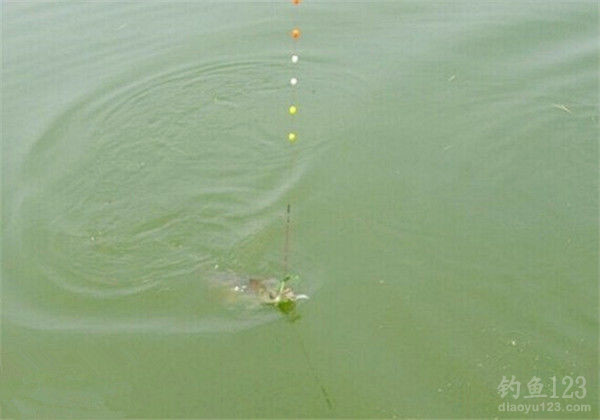
- The Delicate Balance – Adjusting Weight: Now, here’s the magic. Take off the heavy sinker. Attach your proper, smaller weights (split shots) to the line. Start cutting tiny pieces of lead off. Yes, tiny! This isn’t a race. Put the rig in the water near the bank and watch the float. You’re aiming for your “Fishing Weight.” Let’s say you want the float to stand with 4 colored rings out of the water. Carefully trim the lead until it floats perfectly with 4 rings showing. This is a calm, meditative process.
- The Final Touch – Setting the Depth: Remember the mark you made for the bottom? Now attach your hook and a small bit of your now-perfectly-rested bait to the hook. Push your float down to a point about 1.5 to 2 times the length of your hook line above that bottom mark. Cast out. The bait will now rest on the bottom, but the float will be sensitively balanced. Adjust up or down until you get the perfect “bite” indication—maybe 2 rings showing above water. That’s your “Fishing Depth.”

This step feels technical, but it’s the heart of detection. A perfectly balanced float will dip for the tiniest bite. In winter, that’s often all you get.

You’re Live! Now What?
And just like that, you’re fishing. Seriously. Look at your watch. From arrival to first cast, it’s been a smooth, logical flow. No panic. No running back to the car for forgotten pliers. You’ve given the fish time to find your bait spot, your hook bait is ideal, and your float is a hyper-sensitive fish-bite detector.
I can’t tell you how many times I’ve been settled in, sipping a hot drink, watching my float with total focus, while a fellow angler a few spots down is still clattering with gear, throwing bait in the wrong place, and splashing around. The sun waits for no one, especially in winter. This system buys you back those golden minutes at dawn or dusk.
So next time you head out into the wild for some winter fishing, try this order. It’s not just about steps; it’s about respecting the fish, the environment, and your own valuable time. Tight lines, and I hope your float dances like crazy!
Original article by Fishing123. Unauthorized reproduction prohibited.