
Wild Fishing Chumming: The Headache (and Hack) Every Angler Deals With
Recently, a hot fishing question popped up in my feeds, and let me tell you—it’s one I’ve screamed into the void about more times than I can count! If you’ve ever spent a day wild fishing only to stare at a silent float, you know the struggle: picking the right bait, figuring out how to chum properly, and not watching your entire chum get stolen by tiny, annoying minnows before a big fish even shows up. Today, I’m breaking down everything I’ve learned (from my own failed trips and fellow anglers’ hard-won wisdom) to help you stop wasting bait and start hooking those trophy fish.

First, Let’s Get Real About Wild Fishing Conditions
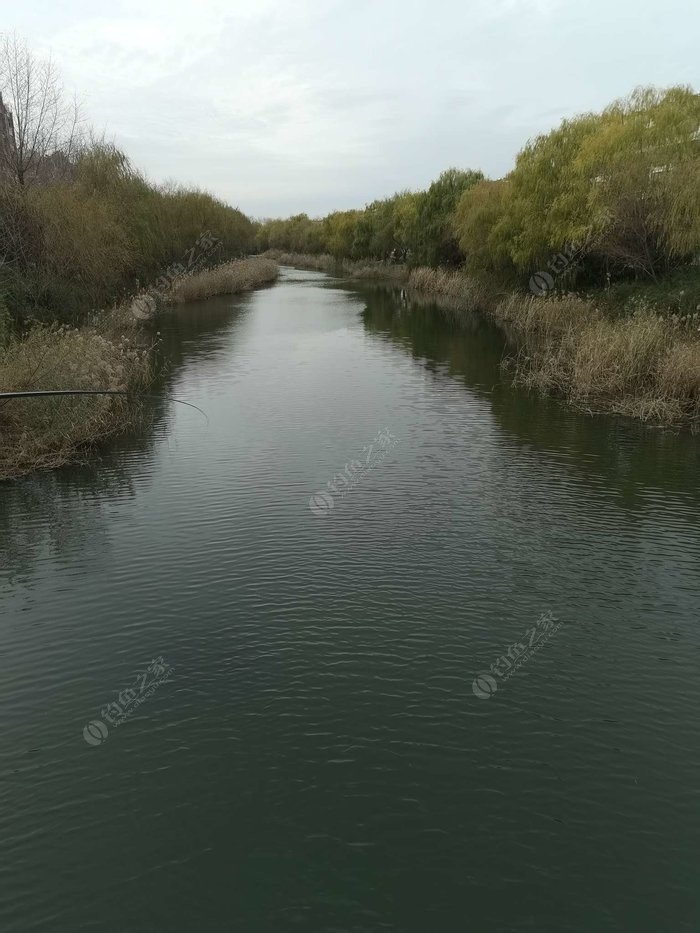
Wild fishing isn’t like fishing in a stocked pond. We’re talking wide, open waters where fish are spread thin, and half the time, you’re lucky if you even spot a ripple that’s not from a minnow. If you’ve spent 8 hours casting only to get one tiny bite, don’t beat yourself up—that’s just the wild life!
Here’s the deal: if you’re camping out at a reservoir for a few days, you can go all-in with a massive, heavy chum pile and wait for the big boys to find it. But if you’re just out for a morning or afternoon? Forget the huge piles. You need to chum little and often, luring fish in while you fish.
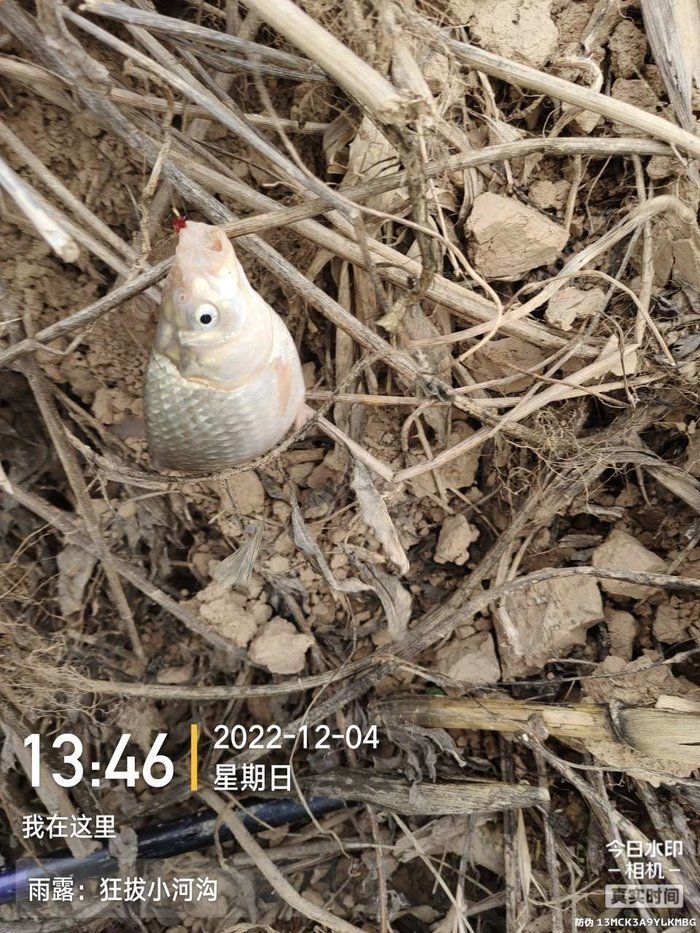
Let’s use carp as an example—those big, greedy buggers are ravenous in summer and fall. They’re bulking up to survive winter after spawning and freezing their tails off all year, so they’re on a constant food hunt. But here’s the kicker: the water’s full of tiny minnows that will swarm any bait you drop like a pack of hungry seagulls at a picnic. Too little chum, and the minnows devour it in 2 minutes. Too much, and the big fish eat their fill and swim away without touching your hook. It’s a total balancing act!
Pro Chumming Strategies for Wild Fishing Success
1. Loose Feed Chumming: The Minnow Diverter Hack
If you’ve ever had minnows steal every single piece of your bait before it hits the bottom, loose feed is your new best friend. This stuff is a mix of different sized particles, light bran, and flaky binders that do two things: distract the little guys and save the good stuff for the big fish.
Here’s how it works, specifically for carp in minnow-infested waters:
- When you cast the loose feed, the tiny, light particles float and suspend in the top and middle layers of the water. Guess what? All those annoying minnows zoom right up to chase those floating crumbs, leaving the bottom clear for the big fish.
- The heavier, bigger grains sink fast to the bottom—and minnows can’t suck those down easily. Every time you cast, you’re building up a little pile of bottom bait that lures in bigger fish without feeding the minnows first.
Now, how do you mix this magic stuff? Stick to the classic 3-part formula:
- Base bait: This is the fish’s staple food—think wheat germ, bran, or commercial pellets. It’s what keeps the fish hanging around.
- Target bait: This is the good stuff tailored to your fish. For carp, use carp-specific bait with that earthy, sweet scent they go crazy for. For bluegill? Go with something brighter and more aromatic.
- Texture bait: This is where the flaky stuff comes in. Snowflake powder (made from potato) makes the feed break apart slowly as it sinks, creating a trail of scent. Light bran makes the smaller particles float, which is key for distracting minnows. The ratio depends on how deep you’re fishing and how crazy the minnows are—on super minnow-heavy days, use more bran to keep them busy up top!
The best part? Every cast adds a little more chum. Start luring fish near your spot, then more and more show up. Before you know it, you’ve got a whole group of big fish hanging out at the bottom, waiting for your hook.
2. Bait Ball Method: The Lazy Angler’s Secret Weapon
If you don’t want to mess with mixing loose feed every 5 minutes, the bait ball method is for you. It’s similar to loose feed, but way less work. Here’s the gist: take a sticky core bait (like a boilie or dough ball) and roll it in hard pellets, corn, or soaked rice. It’s like a little snack ball for big fish!
When you cast it into the water, the outer layer breaks off first. Those big pellets or corn pieces are too big for minnows to eat, so they sink right to the bottom and form a small chum pile. The sticky core stays on your hook, waiting for a big fish to come investigate the free food.
This method is perfect for when you’re tired of re-casting every 2 minutes. The outer layer lasts way longer than loose feed, so you don’t have to replenish as often. Plus, it still distracts minnows—they’ll nibble at the edges but can’t get the good stuff, so they eventually give up and leave the bottom to the big fish.
Pro tip: If you’re fishing in a windy spot, use heavier pellets for the outer layer so they don’t get swept away by the current. For calm waters, corn works great because it floats a little longer, luring fish in from farther away.
Final Thoughts (From a Fellow Angler Who’s Been There)
Wild fishing is never easy—you’ll still have days where the fish just don’t bite, and you’ll still spend more time untangling your line than reeling in fish. But getting your chumming right turns those “zero bite” days into “I caught a fish big enough to brag about” days.
Don’t be afraid to experiment! If the minnows are still stealing all your bait, add more heavy pellets to your loose feed. If the big fish aren’t showing up, try a sweeter target bait. The best anglers aren’t the ones who have all the answers—they’re the ones who adapt to what the water gives them.
Next time you’re out on the water, give these chumming tricks a try. And if you’ve got your own wild fishing hacks? Drop them in the comments—I’m always looking to learn from my fellow anglers!