
Reservoir Wild Fishing for Big Fish: Expert Baiting & Nesting Strategies
Let’s be real—when that 8-day National Day (or any long holiday) rolls around, self-respecting anglers don’t waste it glued to the couch. We’re out chasing those trophy catches in remote reservoirs, rivers, and hidden country waters, ready to camp out for days if needed. I just got back from a 4-day reservoir trip myself, so I’m still buzzing with fishy stories and fresh insights. While scrolling through a fishing app the other day, I stumbled on a question that’s relatable to every big-fish chaser: How long do you wait to fish after setting up a nest? And when (and how much) do you re-bait to keep the big ones coming? Since this is such a common head-scratcher, let’s break it down with real-world experience, no fancy jargon—just straight talk for fellow anglers.

The Angler’s Scenario: Clues to Their Big-Fish Game
First off, the angler asking the question is no beginner. They mentioned tracking temperature changes—smart move, because we all know water temp is the #1 factor in whether fish even bother to eat. Then there’s the details they dropped:
- Using fermented corn for nesting
- Fishing 6 meters from shore, in 3-4 meters of water
- Dealing with a massive population of small white bait fish (the kind that steal bait before it even hits the bottom)
Put those together, and it’s clear: this angler is targeting trophy fish. A 5.4m max rod, deep enough water to hide big carp or grass carp, and fermented corn (a slow-release, big-fish magnet) tells me they’re playing the long game—nurturing a nest over time to avoid the tiny bait thieves. Since we don’t have every last detail of their waterway, we’ll focus on universal big-fish nesting rules that work for most reservoirs.
Question 1: How Long to Wait to Fish After Setting Up a Nest?
Here’s the truth no fishing “guru” wants to admit: there’s no one-size-fits-all timer. I’ve had nests where big fish showed up in 45 minutes, and others where I waited 6 hours before getting a single bite. The key is reading the water, not a clock. Here’s what to look for:
1. Watch for Fish Activity on the Surface
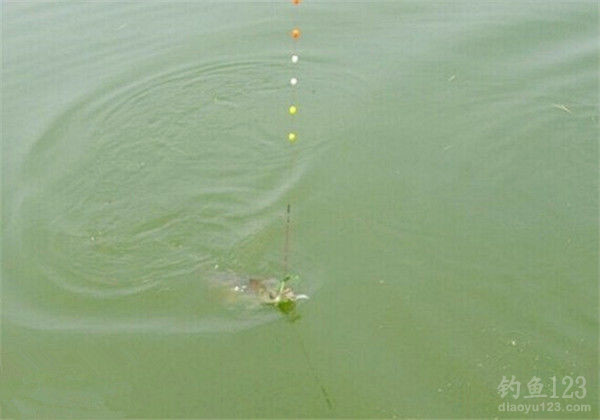
Big fish leave clues when they move into a nest. Keep an eye for “fish bubbles” (small, slow-rising bubbles from fish rooting around the bottom) or subtle ripples that aren’t from wind. If you see those, that’s your green light. Also, pay attention to the tiny bait fish: if they suddenly stop darting around the surface or stealing bait off your hook? That’s a dead giveaway. Big fish scare the smaller ones away—nature’s way of clearing the buffet line.
2. Read Your Float’s “Vibe”
You don’t have to wait for a full bite to know big fish are nearby. Small fish make your float dart around like a hyper kid on a sugar high. Big fish? They’re slow, deliberate. When a carp or grass carp swims through the nest, their fins create enough current to make your line and float wiggle gently—no sharp tugs, just a slow, steady sway. I’ve learned to trust that vibe; it means the big boys are checking out the buffet.
3. Adjust for Fish Density
If you’re fishing a reservoir that gets a lot of angler pressure, fish density might be lower, so you’ll wait longer. In a remote, rarely fished reservoir with a healthy big-fish population? You could see action much faster. I once fished a mountain reservoir where the local villagers rarely went, and after dumping 10kg of fermented corn, I had a 12kg carp on the line in 90 minutes. Conversely, at a popular weekend spot near the city, I’ve waited 5 hours for a single big fish to show up.
Question 2: When & How Much to Re-Bait to Keep Big Fish Around?
Re-baiting is where most anglers mess up. Either they dump too much and overfeed the fish, or they don’t add enough and the big ones leave to find better food. For big fish, it’s all about consistency—keeping a steady supply of food so they learn to come back to your nest regularly.
Long-Term Nesting (For Multi-Day Trips)
If you’re planning to fish the same spot for 3-5 days, start pre-baiting 3-5 days before you even pick up your rod. I know it’s a hassle, but it’s the secret to avoiding those tiny bait fish. Here’s my routine:
- Day 1-4 (Pre-Fishing): Dump 5-7kg of fermented corn each day, spread over a small area (about 1-2 square meters) to concentrate the food. This trains the big fish to associate that spot with easy meals.
- 1 Hour Before Fishing: Add 3kg of a mix—half fermented corn, half fresh sweet corn. The fresh corn adds a bright, enticing scent that draws big fish in faster, while the fermented corn keeps them there longer.
- After Fishing Each Day: Dump 5kg of fermented corn, spread over a slightly larger area (2-3 square meters). This feeds the fish overnight and keeps them coming back the next day. I do this right as the sun sets, since big fish are most active at night.
Re-Baiting During Your Fishing Session
Once you’re on the water, don’t just dump a bunch of bait whenever you feel like it. Follow these rules:
- If you’re getting regular bites: Add 1-2 handfuls of fermented corn every 2 hours. You don’t want to overfeed them, just top off the buffet.
- If the bite slows down: Wait 30 minutes, then add 2 handfuls of fresh sweet corn. The sweet scent can re-trigger big fish that might have wandered off.
- Never throw bait by hand! Use a dedicated nesting tool or a long rod to gently lower the bait into the water. Big fish are skittish—loud splashes scare them away faster than a firecracker. I learned this the hard way on a trip last year: I threw a handful of corn into the nest, and the line went completely still for 2 hours. Lesson learned.
Pro Tips for Big-Fish Reservoir Fishing
Since the angler mentioned dealing with tons of small bait fish, let’s throw in a few extra tricks to make your life easier:
1. Fish During Big Fish Feeding Windows
Big fish don’t feed all day—they have their own schedules. From my years of fishing, the golden hours are:
- 4:00 AM to 7:00 AM (right before sunrise)
- 7:00 PM to 12:00 AM (after sunset)
Skip the midday sun—small fish go crazy then, and big fish hide in deep water. Night fishing is especially good for avoiding the bait thieves; big fish feel safer moving around in the dark.
2. Use the Right Float for Night Fishing
If you’re fishing at night, forget the bright LED lights that blind you and scare the fish. Stick to a glow stick float or a dim electronic night float. I’ve tried the bright LED ones, and I noticed a huge drop in bites—big fish are spooked by sudden lights in dark water. A subtle glow is enough to see your float, but won’t ruin your chances.
3. Mix Up Your Hook Bait
When you’re fishing, use a two-hook setup: one with fermented corn, one with fresh sweet corn. The fermented corn is familiar to the fish from the nest, and the fresh corn adds a new, enticing scent. I’ve caught 70% of my big fish on the fresh corn hook—turns out, even big fish love a little variety in their diet.
Final Thoughts: Fishing is About Reading the Water, Not Rules
At the end of the day, every reservoir is different. I’ve followed all the “perfect” nesting rules and come home empty-handed, and I’ve had days where I winged it and caught the biggest fish of my life. The key is to learn the signs—watch the bubbles, read your float, and adjust based on what the water is telling you. If you’re dealing with tons of small bait fish, be patient; nurturing a nest takes time, but it’s the only way to consistently catch big fish in busy waters.
What’s your go-to big-fish nesting trick? I’d love to hear your stories—drop them in the comments below. And if you’re heading out to a reservoir soon, good luck—may your line stay tight and your net stay full!