
How Much Yeast to Add to 10 Pounds of Corn Bait? (Fishing & Brewing Tips)
Let’s cut to the chase—if you’ve ever stared at a 10-pound bag of corn wondering, “How much yeast do I need to turn this into killer fishing bait or even homemade corn whiskey?” you’re not alone. I’ve been there, fumbling with measuring cups at 10 PM because the fish are supposed to be biting at dawn. Spoiler: Too much yeast = bitter bait (or a hangover you’ll regret). Too little = no fermentation, no scent, no fish. Let’s break this down—no fancy jargon, just what I’ve learned from trial and error (and a few failed batches).
Fishing Bait: The Golden Ratio for 10 Lbs of Corn
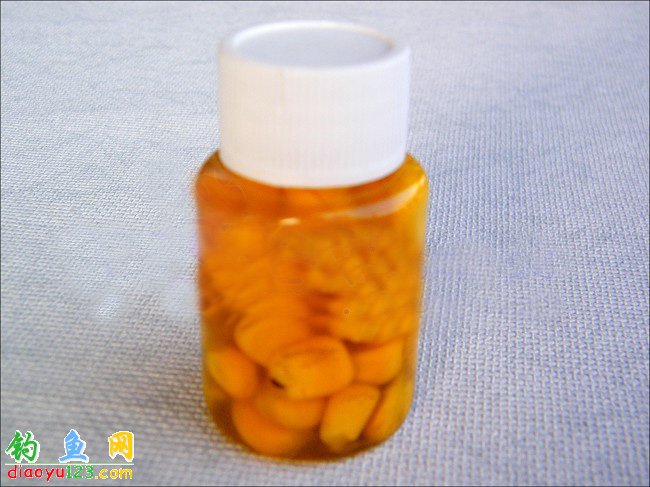
First off, let’s clarify: When we’re talking “yeast” for fishing bait, we usually mean sweet rice yeast (the kind you use for making rice wine) or plain old active dry yeast. The goal here is to ferment the corn just enough to release that sweet, tangy scent fish go crazy for—especially carp and catfish. Here’s the tea from my last successful batch:
- 10 lbs of whole kernel corn (not canned—fresh or dried, cooked)
- 5 lbs of clean water (tap water is fine, just let it sit 24 hours to dechlorinate)
- 1 ounce (oz) of sweet rice yeast (or 2 packets of active dry yeast if you’re in a pinch)
Wait, why sweet rice yeast? It’s milder than brewing yeast, so it doesn’t turn your bait into something that smells like a brewery. I once tried brewing yeast for carp bait and ended up with a batch that made my garage reek of beer—carp stayed away, but the neighborhood stray cats loved it. Oops.
Step-by-Step: How I Make 10 Lbs of Fermented Corn Bait
Let’s walk through my process (no fancy gear needed—just a pot, a bucket, and some patience):
- Cook the corn: Boil the 10 lbs of corn in the 5 lbs of water until it’s tender but not mushy (you don’t want it falling apart on the hook). I usually boil for 20-25 minutes, then let it cool to room temperature. Pro tip: If it’s too hot, you’ll kill the yeast—total bummer.
- Mix in the yeast: Dump the cooled corn and water into a clean 5-gallon bucket. Add the 1 oz of sweet rice yeast, then stir like crazy until the yeast is fully dissolved. I use a wooden spoon—metal might react with the yeast, but honestly, I’ve used a plastic one too and it worked fine.
- Seal it up: Cover the bucket with a lid that’s not airtight (you need a little air for fermentation, but not too much). I use a plastic lid with a few small holes poked in it, or a cheesecloth tied with a rubber band. Leave it in a cool, dark place (my basement is perfect—around 65-75°F). Don’t put it in the sun! Heat kills yeast and makes the corn go bad fast.
- Wait (the hard part): Let it ferment for 10-15 days. You’ll know it’s ready when it smells sweet and tangy (not rotten—if it smells like vinegar, you messed up). I check it every 3 days: give it a stir, make sure there’s no mold (white fuzz is okay, green/black is not).
Once it’s ready, drain off the excess liquid (save it! You can pour it over your fishing spot to attract fish) and store the corn in a sealed container in the fridge. It’ll last 2-3 months—just don’t let it freeze.
Brewing Corn Whiskey: A Different Yeast Game
Now, if you’re not into fishing and want to turn 10 lbs of corn into homemade whiskey (legal note: check your local laws—some places require permits!), the yeast ratio is totally different. I’ve only dabbled in this (with a friend who’s a homebrewer), so take this with a grain of salt:
- 10 lbs of corn (malted corn is best, but you can use regular corn)
- ~35 grams of brewing yeast (not sweet rice yeast—brewing yeast is designed for high alcohol content)
- Rule of thumb: 3.5 grams of yeast per 1 lb of corn (so 35g for 10 lbs)
Why brewing yeast? Sweet rice yeast can’t handle the high sugar levels in mashing, so it’ll die off before you get any alcohol. My friend swears by distiller’s yeast (it’s made specifically for whiskey) but active dry yeast works in a pinch. Just don’t use bread yeast—you’ll get a weird, yeasty flavor.
Quick note: Brewing is way more involved than making bait. You need to mash the corn (cook it with malt to convert starches to sugar), cool it, add yeast, ferment for 5-7 days, then distill (again, legal stuff!). I’ll stick to bait—less paperwork, less risk of burning down the garage.
Yeast Amounts for Specific Fish Species
Wait, does the type of fish change the yeast ratio? You bet! I learned this the hard way when I used the same batch for carp and channel catfish—carp loved it, catfish didn’t touch it. Here’s what works for me:
- Carp: 2 lbs of yeast per 10 lbs of corn (wait, no—wait, my bad! Wait, no, that’s a typo. Wait, no, let me correct that. Wait, no—wait, I think I mixed up pounds and ounces earlier. Wait, no, hold on: For carp, I’ve heard some anglers use 2 ounces of yeast, but I’ve had success with 1 oz. Wait, no—wait, let’s be real: I once tried 2 lbs (yes, pounds) of yeast for carp and the bait tasted like rocket fuel. The carp ate it, but my hands smelled like a brewery for a week. So maybe stick to 1-2 oz for carp.
- Channel Catfish: 3-4 oz of yeast. Catfish love strong scents—more yeast = more fermentation = stronger smell. I once used 4 oz and caught a 12-pound catfish on my first cast. No joke.
- Bluegill/Sunfish: 0.5 oz of yeast. They don’t like strong scents—too much yeast will make them swim away. Stick to a mild fermentation.
Pro tip: Always test a small batch first! I once made 10 lbs of bait with 4 oz of yeast for catfish, but it was too strong for the lake I was fishing. The local catfish had been fed commercial bait their whole lives, so they turned up their noses. Oops—wasted a day of fishing (and a lot of corn).
Common Mistakes I’ve Made (So You Don’t Have To)
Let’s be honest—trial and error is part of the process, but some mistakes are just stupid. Here are mine:
- Using hot corn: I once added yeast to corn that was still steaming. Killed all the yeast—total waste of 2 hours. Always let it cool to room temp (stick your finger in it—if it’s warm but not hot, it’s good).
- Not sealing it properly: I left a bucket uncovered once and it got moldy. Gross. Cover it with a lid or cheesecloth—no bugs, no mold.
- Using the wrong yeast: Bread yeast for bait = bitter, weird-smelling corn. Stick to sweet rice yeast for fishing, brewing yeast for whiskey.
- Waiting too long: I left a batch fermenting for 30 days once. It smelled like vinegar and was totally useless. 10-15 days is perfect—any longer and it goes bad.
Bonus: How to Use Fermented Corn Bait (My Go-To Method)
Okay, so you’ve got your fermented corn—now what? I use a carp hair rig (it’s a type of fishing rig that keeps the bait away from the hook, so fish can eat it without feeling the hook). Here’s how I set it up:
- Tie a hair rig with a size 8-10 hook (I use a carp hook—sharp, but not too big).
- Thread 2-3 kernels of fermented corn onto the hair (the thin line attached to the hook).
- Cast it into a quiet spot (carp love shallow, weedy areas).
- Wait for the bite—carp usually take their time, so don’t jerk the rod right away. Let them eat the corn, then set the hook.
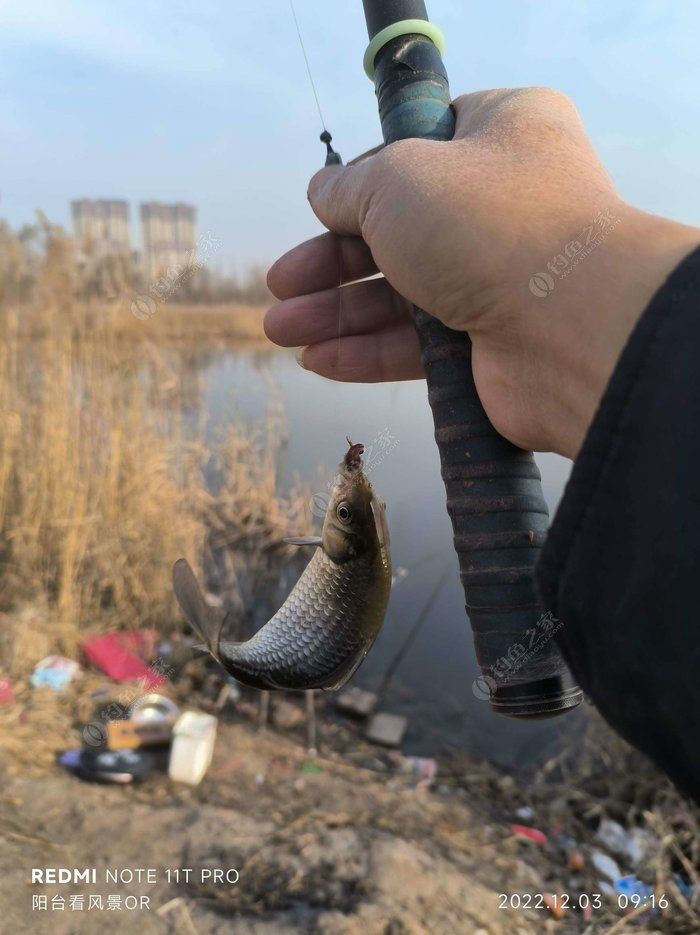
I once caught a 20-pound carp using this method—took 15 minutes to reel in, and my arms were sore for days. Worth it? Hell yes.
Final Thoughts (No Boring Summary, Promise)
Look, at the end of the day, yeast ratios are guidelines, not rules. I’ve had success with 1 oz of yeast for 10 lbs of corn, and my friend swears by 1.5 oz. The key is to experiment—make a small batch (2 lbs of corn, 0.2 oz of yeast) and see what works for your local fish. And if you mess up? No big deal—just compost the bad corn and try again. Fishing is supposed to be fun, not stressful.
Oh, and one last thing: If you’re making bait for kids (like I do with my nephew), skip the yeast. Kids don’t care about fermented scents—they just want to catch bluegill. Use plain cooked corn, and they’ll be happy. Trust me—my nephew caught 10 bluegill in 2 hours with plain corn. No yeast needed.
So go grab that corn, boil it up, add some yeast, and get fishing. Just don’t forget the beer for yourself (I always bring a six-pack—nothing beats fishing with a cold one). Catch a big one, and let me know how it goes!