River Fishing Setup and Bait Guide: How to Choose Gear for Current and Big Water
Let’s be real, fishing a massive, flowing river is a whole different beast compared to your local pond or even a calm lake. I’ve spent countless hours on riverbanks, and the learning curve can be steep. The water’s moving, the depth changes, the bottom is a mystery of rocks and logs, and the fish? They’re strong, smart, and totally unforgiving. But that’s also what makes it so incredibly rewarding. There’s nothing like outsmarting a powerful river fish. So, if you’re looking to take your skills from still water to moving water, this guide is for you. We’re breaking down exactly how to choose your river fishing setup and bait to actually catch fish, not just feed them.

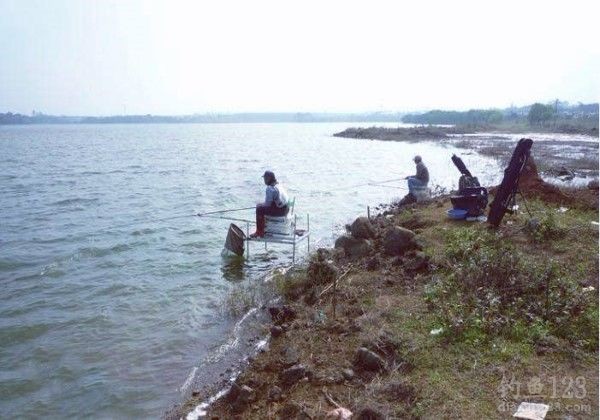
That picture? That’s the dream. But to get there, you can’t just grab any old rod and hope for the best. Success in river fishing starts long before your first cast. It starts with a plan.
Step 1: The Mindset Shift – From Still to Flowing Water
First things first, forget everything you know about fishing calm water. A river is alive. It’s a dynamic, powerful system. The current is your new constant companion, and it affects everything: how your bait sits, how fish hold position, even the water level can rise and fall with tides miles away! The bottom is rarely uniform—think drop-offs, deep holes, submerged trees, and rocky seams. This complexity is a challenge, but it’s also a huge opportunity. Fish use these features as resting spots, ambush points, and buffets. Your job is to find them.
Step 2: Know Your Target – You Can’t Catch “Fish”
This is the single biggest mistake I see. Anglers head out wanting to catch “fish.” In a river, that’s a surefire way to catch nothing. You must decide: are you after bottom-feeding catfish, lurking bass, suspended walleye, or migratory salmon? The species dictates every single piece of gear you’ll use.
Once you’ve picked your target, think like it. Where does it live in this river? Is it a deep-hole dweller, a current-break lover, or does it cruise shallow flats at dawn? For example, targeting big catfish in summer often means finding deep, slow-moving holes. In spring, those same fish might move into shallower, warmer backwaters. A bluegill and a muskie do not live in the same neighborhood. Choose your target, then choose your battlefield.
Seasonal and Species-Specific Spot Selection
Your fishing spot is everything. Here’s a quick breakdown based on common targets:
- Larger Fish (Carp, Big Catfish, etc.): In summer, look for depth—often 2 meters (6+ feet) or more. In spring, they move shallower, so focus on areas under 2 meters, especially if the sun is warming the water.
- Trout & Walleye: Love current seams. Look where fast water meets slow water, behind large rocks, or at the head of deep pools.
- Bass (Largemouth & Smallmouth): Structure is king! Fallen trees, weed beds, rock piles, and undercut banks are prime real estate.
- Panfish (Bluegill, Crappie): Often found around vegetation, docks, or other cover in relatively calmer sections.
Step 3: Building Your River Fishing Arsenal – The Right Tools for the Job
Okay, you know what you’re fishing for and where. Now, let’s talk gear. This is where the fun begins, and where most setups fail.
The Rod & Reel Combo: Distance and Power
Look at the water. Is it a wide, sprawling river where you need to reach the main channel? You might be in spinning rod or baitcasting rod for long-distance casting territory. For truly massive rivers, a surf rod or heavy power rod isn’t overkill.
For narrower sections or targeting specific structure, a longer fishing rod is your friend. If you’re going after powerful river fish, don’t even think about a short, light rod. A minimum of a 7-foot, medium-heavy power rod is a good starting point for larger species. You need the backbone to turn a fish away from snags and the length for better line control and leverage.
Big tip on rod action: Leave the super-stiff “pool cue” rods for the tournament bass guys. For the unpredictable fight of a wild river fish, a moderate or moderate-fast action rod (often called a “parabolic” bend) is superior. It absorbs headshakes and sudden runs better, putting less pressure on your line and hook. It gives you more control.
Fishing Line: The Critical Connection
Your line is your only connection to the fish. Choose wrong, and you’ll lose it. The rule is simple but non-negotiable: Match your line to your target fish.
- Braided Line: Excellent for long casting, sensitivity, and no stretch. Great for feeling light bites in deep current. Its thin diameter cuts through water well. Just remember, it’s highly visible, so you might need a fluorocarbon leader.
- Monofilament: Good all-around choice with some stretch, which can be forgiving. It’s cheaper and handles abrasion from rocks decently.
- Fluorocarbon: Nearly invisible underwater and highly abrasion-resistant. It sinks, which is great for bottom presentations. It’s my go-to for leader material and often as main line for finesse techniques.
Do NOT try to use one line for “everything.” A line too light will snap. A line too heavy will spook fish and reduce bait action. Commit to your target.
Hooks and Weights: Holding Bottom and Hooking Up
In current, your terminal tackle needs to work harder.
- Hooks: For wild, fighting fish, sharp, strong hooks are mandatory. I strongly recommend hooks with a barb for river fishing. That extra security can mean the difference between a photo and a story about “the one that got away” after a spectacular jump. Size your hook appropriately—big fish, bigger hook.
- Weights/Sinkers: To get your bait down and keep it in the strike zone, you’ll need weight. Egg sinkers, bullet weights, and especially pyramid or bank sinkers are great for holding in sandy or muddy bottoms. In rocky areas, a walking sinker or no-roll sinker can help avoid snags. The key is to use the minimum weight needed to hold bottom. Too much weight kills natural presentation.
The Float (Bobber) Dilemma: To Use or Not to Use?
Floats can be tricky in moving water but are invaluable for certain techniques. If you’re float fishing (e.g., for steelhead or in a slip-float rig for walleye), you need a float with enough buoyancy to support your bait and weight without being dragged under. In general, for running rigs on the bottom in heavy current, a float is often omitted. However, for presenting bait at a specific depth in a moderate current, a slip float rig is an excellent and underused method.
Step 4: Bait and Presentation – Making Dinner Irresistible in the Current
You can have the perfect spot and gear, but if your bait isn’t appealing or, more importantly, stays on the hook, you’re just chumming.
Bait Selection: From Stinky to Subtle
Match the hatch, but also match the season and water conditions.
- Live Bait: Often the most effective. Nightcrawlers, minnows, leeches, and crayfish are universal favorites. In current, hook them securely so they stay lively but don’t fly off on the cast.
- Prepared & Natural Baits: Dough baits for catfish/carp, salmon eggs for trout. These are scent powerhouses.
- Artificial Lures: Jigs, spinnerbaits, crankbaits, and soft plastics are fantastic for covering water and targeting predators. In current, lures that create vibration (spinnerbaits, vibrating jigs) or have a tight wobble (some crankbaits) are easier for fish to locate.
The Golden Rule of River Bait: STAY ON THE HOOK!
This is the river angler’s mantra. The current is constantly trying to steal your offering.
- Dough/Paste Baits: Mix them stiffer than you would for still water. Use less water. You want a consistency that molds onto the hook firmly and won’t dissolve in 30 seconds.
- Thread It On: For worms and soft plastics, thread them onto the hook multiple times for a more secure hold.
- Use Hardy Baits: Don’t underestimate the power of natural, durable baits like corn, worms, or minnows. They can withstand the current longer. A piece of corn or a nightcrawler will stay on through multiple casts and drifts.
- Bait Elastic/Thread: A pro secret! A tiny bit of elastic thread or even sewing thread can secure a fragile bait (like a cluster of eggs) to the hook shank.
Step 5: Advanced Tactics – Thinking in 3D
Fish in a river don’t just live on the bottom. The water column is a highway.
Finding the Right Depth (The Water Column)
You must present your bait where the fish are feeding.
- Bottom Fishing (Catfish, Carp, Suckers): Your weight holds bottom. Use a sinker rig (Carolina rig, slip sinker rig) to let fish take the bait without feeling weight.
- Suspend It (Walleye, Striped Bass, Trout): A 3-way swivel rig lets you have a weight on one dropper and a bait on another, suspending the bait off the bottom. A float rig can also set a precise depth.
- Topwater & Near-Surface (Bass, Pike): In low-light conditions or around specific cover, topwater lures or shallow-running crankbaits can be explosive.
The point is, if you’re not getting bites on the bottom, don’t just sit there. Experiment by shortening your leader to lift the bait up, or adding a float. Find the active layer.
Reading the Water: Your Map to Fish
Learn to “read” the river’s surface. Look for:
- Current Seams: The line between fast and slow water. Fish sit in the slow side, darting into the fast side to eat.
- Eddies & Backwaters: Behind large obstructions. The water swirls backwards here, collecting food and giving fish a rest from the current.
- Riffles & Pools: Shallow, faster water (riffl e) often leads into a deeper, slower pool. The pool is a classic holding area.
- Undercut Banks & Overhanging Trees: Prime ambush spots offering shade and cover.
So there you have it. It’s not about having the most expensive gear. It’s about having the right gear and the right plan. River fishing taught me patience, observation, and respect for the water. Some days you get skunked. But then there are those days where everything clicks—you read the water right, your bait holds, your drag sings, and you land a beautiful, powerful fish that truly earned its freedom. That feeling is what keeps me coming back to the river’s edge. I hope this guide helps you find that feeling, too. Tight lines out there, and may your knots hold strong!