Winter Wild Fishing Tips: Never Worry About Catching Nothing Again!
Let’s be real—winter wild fishing is no walk in the park. You’re out there shivering in the bone-chilling wind, your fingers going numb while you hold the rod, and worst of all? You might sit there for hours without a single bite. Nothing stings more than heading home empty-handed after freezing your tail off, right? But guess what? You don’t have to let winter fishing defeat you! I’ve spent countless frigid days testing tricks and tweaking my approach, and today I’m spilling all the secrets to help you avoid that dreaded “skunked” trip. Let’s dive in!

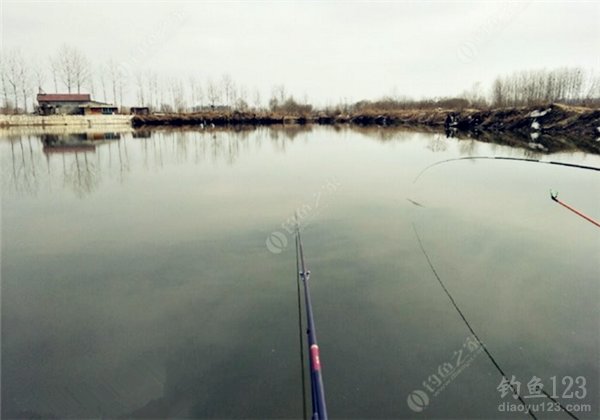
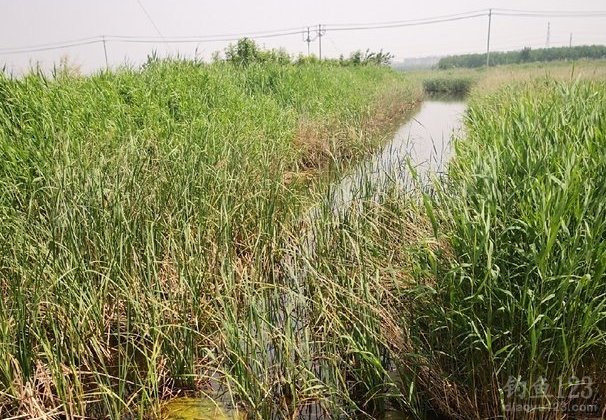
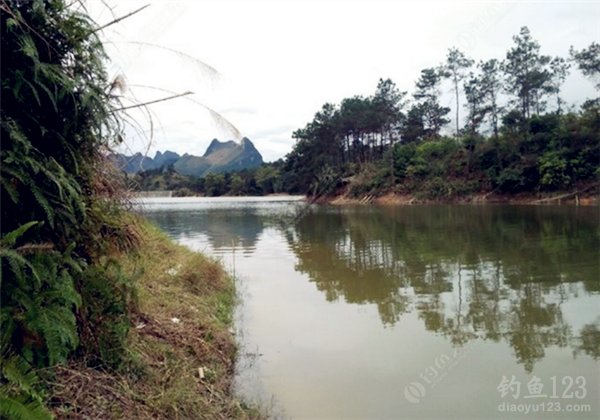
1. Scout First, Fish Second: Don’t Pick a Spot Blindly
Here’s a mistake I see so many anglers make (and I’ve made it too!): pulling up to a spot, plopping down wherever’s most convenient, and crossing their fingers. Spoiler alert: that’s a one-way ticket to empty cooler town. Winter fish are not in the mood to travel far for food, so your spot can make or break your day.
First things first, start with the weather. Check the forecast before you even load up your car. Is it a sunny day with calm winds? Or is it cloudy and gusty? Fish’s behavior shifts drastically with these changes, and you need to shift your strategy too.
- Sunny days: Fish will move to shallow, sun-warmed areas to soak up heat. Look for spots near shore with plenty of sunlight, like south-facing banks. Avoid deep, shaded areas—fish won’t waste energy traveling there when the shallow water is cozy.
- Cloudy or windy days: Shallow water cools off fast, so fish will retreat to deeper, more stable waters. Stick to drop-offs, holes, or areas with cover like fallen trees that block the wind.
And don’t just copy what other anglers are doing! I once saw a group of 5 guys all clustered on a single dock, none of them catching anything. I wandered 100 yards down to a quiet south-facing cove, and within 20 minutes I had three fish on my line. Do your own scouting, observe the water, and trust your gut over the crowd.
2. Be Flexible—Winter Fishing Won’t Wait for Your Routine
If you’re the type who shows up, sets up one rig, and sits in the same spot all day, winter is going to humble you. Fish are slow, lazy, and super picky this time of year, so you have to meet them halfway. Flexibility is your best friend here!
Ditch the “Set It and Forget It” Mentality
Gone are the days of dumping a ton of bait in one spot and waiting for fish to swarm. In winter, fish don’t have the energy to swim to your bait—you have to go to them. Try “walking and fishing”: cast your line, wait 10-15 minutes, and if you don’t get a nibble, pack up and move 20-30 yards. Repeat until you find a spot where you get a bite. It’s more work, but trust me, it’s way better than sitting there freezing for hours with no action.
Tweak Your Gear and Tactics to Match the Fish
Your summer setup won’t cut it in winter. Everything from your line to your bait needs to be adjusted:
- Line choice: Use lighter, low-visibility line. Fish are skittish in cold, clear water, and thick, bright line will scare them off. I switch to 2-4 pound test fluorocarbon in winter, and it makes a huge difference.
- Bait: Live bait is king! Worms, minnows, or grubs are way more enticing than artificial lures because they give off natural scents that fish can detect even in cold, slow-moving water. If you do use lures, go for small, slow-moving ones that mimic injured prey—fish don’t want to chase fast-moving targets in winter.
- Fishing style: Don’t limit yourself to just one method! I’ve caught fish using both traditional bobber fishing and more advanced techniques like drop shotting, depending on the spot and the fish I’m targeting. If one method isn’t working, switch it up. Winter is not the time to be stubborn about your favorite tactic.
3. The Beginner-Friendly Hack: Seven-Star Bobber with Running Lead
If you’re new to winter fishing, all this talk of weather scouting and flexible tactics might feel overwhelming. I get it—when I first started, I spent hours staring at my bobber, wondering why I wasn’t catching anything. That’s when I discovered this foolproof combo that changed everything for me: the seven-star bobber paired with a running lead rig.
Here’s why this works so well for winter fishing:
Super Easy to Set Up and Read
Seven-star bobbers (the tiny, colorful floats strung along your line) are way easier to see than thin, fancy floats—especially when your hands are shaking from the cold. The small floats pick up even the tiniest bites, which is crucial in winter because fish don’t strike hard. A single float dipping under the water might be the only sign you get, and you won’t miss it with this setup.
Running Lead Cuts Through the Cold Water
Winter water is thick and slow, so a heavy sinker can scare fish away. A running lead setup lets your sinker slide freely along the line, so your bait drifts naturally with the water current. It’s less intrusive, so fish are more likely to take a bite without spooking. Plus, it keeps your bait at the exact depth where fish are hanging out—no more guessing if you’re too high or too low.
I’ve used this rig with every type of live bait, and it never fails. Even on days when the fish are extra finicky, this combo helps me land at least a couple of fish. If you’re just starting out, skip the complicated setups and stick with this—you’ll save yourself a lot of frustration.
Final Thoughts from a Fellow Cold-Weather Angler
Winter fishing isn’t about being the toughest person on the shore—it’s about working with the fish, not against them. I still have days where I catch nothing, but those days are way fewer now that I’ve learned to follow these tips. The key is to stay patient, stay flexible, and don’t let a few bad trips make you give up.
Next time you head out, try one of these tricks—whether it’s scouting a new spot based on the weather, ditching your routine for walking and fishing, or giving the seven-star bobber rig a shot. And when you finally reel in that first fish, take a second to celebrate. You earned it, after braving the cold and outsmarting those tricky winter fish. Now go grab your gear, and let’s get fishing!