Wait, Winter-Spring Fish Don’t Care About Weather? Let’s Break This Down
I’ve been chatting with old local anglers lately, and they swear by this: once the lunar calendar hits October, most fish “shut their mouths” and stop feeding. And honestly? They’re not wrong-except for crucian carp. Try targeting other species this time of year, and you’ll probably end up staring at your float like it’s glued to the water. But here’s the catch (pun totally intended): even crucian carp won’t bite if you don’t find their hiding spots. When temperatures drop and water gets chilly, these little guys huddle up and barely move. So forget wandering around casting randomly-your first mission is to track down their cozy “fish dens.”

Why Weather Takes a Backseat in Winter-Spring
Let me tell you a secret I learned the hard way: in winter and spring, whether it’s sunny or cloudy barely affects if fish bite. The real star here? Air pressure. These seasons almost always have high air pressure, which keeps fish in a feeding mood no matter the sky’s color. But wait-don’t skip checking the weather entirely! It still tells you where to set up.
Sunny vs. Cloudy: Pick Your Depth Smartly
Crucian carp are total sun-chasers when it’s cold. On sunny days, the water near the surface warms up a tiny bit faster, so you can get away with fishing shallower. But if it’s cloudy or windy (and colder), those fish dive deeper to stay warm. So here’s your quick cheat sheet:
- Sunny, warmish day? Go for slightly shallower spots.
- Cloudy, chilly, or windy? Head for deeper water.
“Gods Can’t Catch Afternoon Fish”? That’s a Summer Lie!
Raise your hand if you’ve heard the old saying “Gods can’t catch afternoon fish.” Yeah, me too-and I used to avoid afternoon trips like the plague… until I tried it in winter. Turns out, that saying is only for summer! In the sweltering heat, air pressure plummets, and fish hide to cool off-especially in the afternoon. But winter and spring? High air pressure sticks around, so the afternoon is often when fish are most active. I’ve had more bountiful afternoon trips in February than I ever did in August. So toss that old myth out the window!
“Deep” or “Shallow” Isn’t One-Size-Fits-All-Here’s How to Nail It
Let’s get real: there’s no magic number for “perfect depth” in winter-spring. What’s “shallow” in a reservoir is totally different from “shallow” in a small river. You have to play by the water’s rules.
Examples to Wrap Your Head Around
Imagine you’re at a reservoir that’s 4-5 meters deep. If you set up at 2-3 meters, that’s “shallow” for that spot. But if you’re on a tiny river that’s only 2 meters deep total? Fishing at 1 meter is your “shallow” zone. It’s like how southerners bundle up in 5°C weather while northerners wear a light jacket-fish adapt to their home waters. So don’t rigidly stick to “3 meters deep” everywhere. Look at the water’s total depth first, then adjust.
How to Find the Right Depth for Your Spot
Don’t overcomplicate it! Here’s my quick process:
- First, scope out the water: Is it a deep reservoir, a shallow pond, or a narrow river?
- Check the total depth with your float or a depth finder.
- For deeper waters (3+ meters total), “shallow” might be 1.5-2.5 meters.
- For shallower waters (1-2 meters total), “shallow” could be 0.8-1.2 meters.
And always test a few spots! Drop a small bait in 2 different depths and see which one gets bites first. Fish are picky, so don’t be lazy-move around if you’re not getting action.
Where Are the Winter-Spring Fish Hiding? Their Favorite Spots
Now for the best part: finding those elusive “fish dens.” These spots are usually fixed in winter and spring-fish don’t wander much, so if you hit the right one, you’re golden.
Top 4 Hiding Spots to Target
Skip the open water (trust me, nothing’s there). Head straight for these:
- **Weed Beds**: Weeds trap heat and food, so fish huddle here like it’s a cozy cabin. Just be careful not to get your line tangled!
- **Under Bridges**: Bridges block wind and keep the water a bit warmer. Plus, they’re sheltered-fish feel safe here.
- **Rocky Bottoms**: Rocks absorb heat from the sun and provide hiding places from predators. Perfect for crucian carp.
- **Submerged Dead Trees**: Fallen trees from the bank are like fish hotels. They’re full of nooks and crannies for food (and hiding).

Why These Spots Work So Well
Think about it: when it’s cold, you want a warm, safe place to hang out. Fish are no different. Weeds and rocks hold onto heat better than open water, bridges shield them from wind, and dead trees give them cover from birds or bigger fish. I once spent an hour fishing open water with zero bites, then moved to a submerged tree-and caught 8 crucian carp in 20 minutes. That’s the power of a good hiding spot!
Pro Tips to Boost Your Winter-Spring Catch
Finding the den is half the battle. Here’s how to make sure those fish actually bite once you’re there.
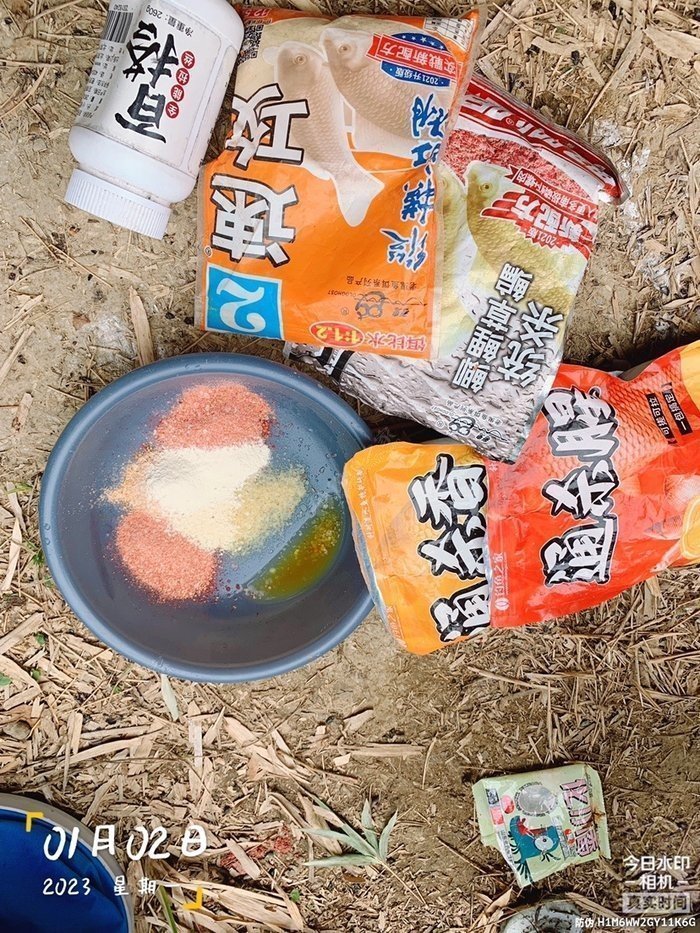
Bait: Go for Smell and Movement
Crucian carp have a great sense of smell in cold water, so strong-scented bait is key. My go-tos are:
- **Red Worms or Earthworms**: Live bait is unbeatable-their wiggling drives fish crazy.
- **Fishy-Scented Dough Baits**: Look for ones with shrimp or fish meal. The strong smell lures fish from farther away.
And don’t be afraid to switch it up! If worms aren’t working after 30 minutes, toss in some dough bait. You never know what they’re craving that day.
Light Tackle Is Your Friend
Cold water makes fish slow and gentle-their bites are super subtle. If you use heavy line or a big hook, you’ll miss most of them. Try this setup:
- Line: 0.8-1.2 lb test (yes, it’s thin-trust me).
- Hook: Size 3-5 (small enough for crucian carp’s mouths).
- Float: A tiny, sensitive one-you need to see even the tiniest dip.
“Tease” the Fish (Gently!) with Bait Movement
If the fish are being shy, give your bait a little wiggle every few minutes. Lift your rod slightly to make the bait dance-this mimics a live bug or worm and triggers their feeding instinct. I do this all the time, and it turns “no bites” into “oh, I got one!”

Final Thoughts (From a Fellow Angler Who’s Made Mistakes)
At the end of the day, fishing is about having fun. Some days you’ll catch a bucketful, some days you’ll catch nothing-and that’s okay. But if you remember one thing from this post, let it be this: stop stressing about the weather in winter and spring. Focus on finding those fish hiding spots, adjust your depth to the water, and use the right bait. Oh, and don’t skip afternoon trips-those are often the best!
What about you? Do you have a go-to winter-spring spot that never fails? Drop a comment below-I’m always looking for new tricks. And if you try any of these tips, let me know how it goes. Tight lines, everyone!