The Best Choice for Yellow River Fishing: Tip Biting (Bengjian) – A Useful Trick You Might Miss
Okay, let’s get real-local fishing spots around here? Total bummer lately. My go-to, Longhu Lake, has been a total dead zone. Like, I’ve spent more time staring at a still float than catching anything. It’s basically become my “sad balcony” of fishing spots, you know? So I finally said, “Screw it,” and tried the Yellow River twice recently. Man, what a difference! Everything’s new-especially the fishing techniques. Finding a spot with no current where you can use a regular float? That’s like finding a unicorn. Pure bliss when it happens, but let’s be honest-most of the Yellow River is fast. So what’s a smart angler to do?
Why Tip Biting (Bengjian) Is Non-Negotiable for Yellow River Fishing
Let’s cut to the chase: the Yellow River’s current is no joke. If you try regular float fishing here, your line’s gonna get swept away faster than a snack at a picnic. That’s why every smart angler I’ve seen uses tip biting (bengjian) fishing-it’s the only way to handle the strong current and actually tell when a fish is biting. But here’s the thing: it’s not just “stick your rod tip in the water and wait.” There’s a trick most newbies (like me, at first) miss.

The Game-Changing Trick: Keep the Rod Tip OUT of the Water
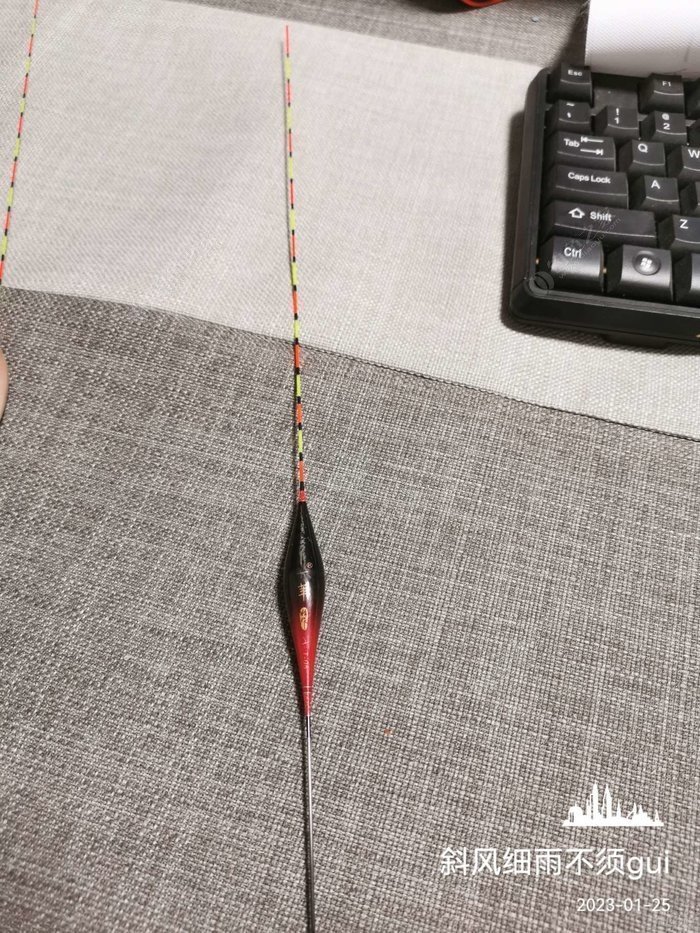
Wait, hold on-if you’re used to float fishing, you probably stick the rod tip in the water to keep the line straight. But with tip biting? Don’t do that. If you submerge the tip, the current’s gonna make it wiggle so much you can’t tell a fish bite from a random current surge. Instead, keep the rod tip above the water surface-maybe 6-12 inches up. That way, you can actually see the subtle (or not-so-subtle) tugs when a fish takes your bait. Total game-changer for bite detection. I can’t believe I didn’t think of that at first!
My Saturday Adventure: Finding the Perfect Yellow River Spot
Last Saturday, I got lucky-found a backwater bay where the current slowed down enough to use a float for a bit. But the real magic was right next to it: the confluence of fast and slow water (where the main river meets the bay). Fish love that spot-It’s like their “safe zone” from the strong current. So I set up my tip biting rig there, and let me tell you, the rod tip started bending immediately from the current. But that’s normal-you just have to learn what’s “current” and what’s “fish.”
Step-by-Step: How I Set Up My Tip Biting Rig for Yellow River
Setting up for tip biting isn’t rocket science, but there are a few non-negotiables. Here’s exactly what I did (and what works for most anglers):
- Heavy Weight (Like a Big Nut): The Yellow River’s current is strong-you need a weight heavy enough to hold your rig in place. I used a big nut (yes, a hardware store nut) tied to my line. No fancy sinkers needed-this works because it’s dense and cheap.
- Running Rig (Slide Sinker): Open the space between your sinker and hook by 10-12 inches (about 25-30 cm). This lets the line slide through the sinker, so fish can take the bait without feeling resistance. Total must-have for current fishing.
- Stiff Dough Bait: Soft bait will wash off in 2 seconds. I use a dry, hard dough recipe-mix flour, cornmeal, and a little water until it’s like playdough. It stays on the hook for 10+ minutes, even in fast current.
- Soft Rod (28 or 37 Action): A stiff rod won’t show the subtle bites. I use a 28 or 37 action rod (meaning it bends 28% or 37% of its length when loaded)-the soft tip wiggles so you can see every tug.
How to Cast & Position Your Rod for Tip Biting
Positioning is everything here. Here’s my go-to method:
- Face the direction the current is flowing (upstream).
- Cast your rig downstream (with the current).
- Place your rod on a rod holder so the tip is just above the water.
Once it’s set, the current will pull your line, and the rod tip will bend into a gentle bow. That’s your “starting position”-now you just wait for the bite!
Spotting the Bite: Current vs. Fish (My Saturday Win)
Here’s the tricky part: telling the difference between current and a fish bite. I’m still new to this, but Saturday I got a lesson I’ll never forget. Right before I packed up, the rod tip started doing something weird-not the messy up-and-down wiggles from current. It was a steady, rhythmic tug-tug-tug-like a spring bouncing back and forth. That’s a fish! I grabbed the rod, set the hook, and… well, let’s just say I didn’t go home empty-handed. (Okay, I caught a small catfish, but still-victory!)

Quick Cheat Sheet: Current vs. Fish Bites
To save you the confusion, here’s what I learned:
- Current: Messy, random up-and-down wiggles. No rhythm-just the water pushing your line.
- Fish: Steady, purposeful tugs (side-to-side or back-and-forth). Like something’s pulling your line, not just pushing it.
Bonus Trick: Avoiding Muddy Boots (And Keeping the Yellow River Clean)
Okay, let’s talk about the real pain in the butt of Yellow River fishing: the mud. The river’s water level changes all the time, so the banks are always muddy. Step one foot off the path, and you’re stuck with caked-on mud that’s impossible to get off (until it dries, but then it’s all over your car). But I found a cheap, easy fix-plastic grocery bags. Yep, the ones you get from the store.

How to Use Plastic Bags for Muddy Boots (And Why It’s Not Litter)
Here’s how I do it:
- Bring 2-4 plastic grocery bags (the thick kind, not the flimsy ones).
- Before stepping into the mud, slip one bag over each boot (tie the top if you want, but I just tuck it).
- When you’re done, pick up the bags (even if they’re dirty) and throw them in a trash can. No exceptions.
Wait, but plastic bags are bad for the environment? Only if you leave them. The Yellow River is our “mother river”-we can’t trash it. So the rule is: use the bags, but bring them home or throw them in a proper trash can. No excuses. I even keep a small trash bag in my tackle box just for this.
Another Hack: Stop Your Fishing Chair from Sinking
I also use a small fishing chair (my “balcony seat”), but the legs sink into the mud like nothing. So I brought 4 old worm box lids-you know, the plastic ones that come with live worms? I taped them to the bottom of each leg. That spreads out the weight, so the legs don’t sink. Works like a charm! No more sitting in mud up to my ankles.
Wrap-Up: What I Learned (And What You Should Remember)
So here’s the thing: tip biting is the best way to fish the Yellow River, but the real “trick” isn’t just the fishing technique. It’s the little stuff-keeping your rod tip out of the water, using plastic bags for mud, and never leaving trash. I still mess up sometimes (last week I forgot my worm box lids and sank up to my knees), but that’s part of the fun. Fishing is about learning, right?
Next time you hit the Yellow River, try tip biting-just don’t forget the plastic bags (and pick them up!). And if you catch a big one? Tag me-I’d love to see it. Happy fishing!