Ultimate Guide to Catching Yellow Catfish (Huang Sang Yu): Tips, Tactics, and Personal Experiences
Let’s cut to the chase-yellow catfish (also known as Huang Sang Yu, Yellow Bud Head, Yellow Spicy Ding, Ang Zi Fish, Cow Tail, Yellow Duck Call, or even Three-Spined Fish in southern Fujian) are some of the most fun freshwater fish to target. They’re not just tasty (hello, buttery fillets!) and nutritious-they’ve got a little medicinal mojo too, which is why both anglers and food lovers go crazy for them. But here’s the thing: if you don’t know their quirks, you’ll spend hours staring at a still rod. I’ve spent decades chasing these little fighters, and let’s just say I’ve earned the local nickname “Yellow Catfish Sweeper” (no, not that kind of “sweeping”-get your mind out of the gutter). So grab your tackle, and let’s dive into the real-deal stuff that works.

When’s the Best Time to Catch Yellow Catfish?
First off, timing is everything. These guys thrive in water around 25°C (77°F)-perfect for southern China’s early summer. And here’s a pro tip: rainy season is your golden ticket. Those random thunderstorms? They wash down rotting leaves, bugs, and all sorts of yucky (but delicious to fish) stuff from the hills. That’s like a five-star buffet for yellow catfish, so they go nuts feeding. I’ve had days where I cast once, and bam-fish on-before the bait even hits the bottom. Don’t sleep on post-rain sessions, either. The murky water hides them, but it also makes them bold. They’ll swim right out into open water to chow down. Game on.
My Go-To: Float Rod (Hand Rod) Tactics
Float rods are my ride-or-die for yellow catfish. Why? Because these fish are dead bait eaters-once they grab your hook, they’re not letting go. So you don’t need a fancy, expensive rod. Soft, hard, whatever-just focus on four key things: hooks, spots, bait, and water conditions. Let’s break it down.
A. Hook Selection: Size Matters (But Not Too Much)
Forget those tiny hooks that get swallowed whole (trust me, I’ve spent hours digging hooks out of their throats-no fun). I swear by 11 or 12 size long shank or pagoda hooks (like Chang Ming or Pagoda brands). Here’s why: they’re big enough to hold a worm without it falling off, but not so big that the fish can’t swallow them. I’ve tried smaller hooks, and half the time the worm slides off mid-cast. These sizes? Perfect. Just make sure the point is sharp-you don’t want a fish to pull free because your hook’s dull. Duh.
B. Spotting: Find the Hidey Holes
This is the most important part-no joke. Yellow catfish are bottom dwellers, and they love places with cover. Why? Because that’s where their food lives: shrimp, snails, bugs, and other tiny critters. So look for:
- Tree stumps (the gaps between them are like fish condos)
- Rocky cliffs (they love hiding in the crevices)
- Rock piles (my personal favorite-these guys are all over the place here)
But wait-rock piles are tricky. Use a single hook, not a rig. And trim your sinker so it hangs just above the rocks. If your bait drops into a crack? Game over-you’ll get snagged faster than you can say “oops.” And when you see a bite? Set the hook right away. Don’t wait-these fish will yank your line into the rocks before you blink. I’ve lost so many rigs to rock piles, but the payoff is worth it (hello, monster yellow catfish!).
C. Bait: Worms Are Unbeatable (Sorry, Store-Bought Stuff)
Let’s get real: store-bought smelly bait works, but it’s like bringing a knife to a gunfight. Worms are the ultimate yellow catfish bait. These fish have eyes like radars-they spot even the tiniest wiggles. I’ve had a worm fall off mid-catch, cast it back, and the same fish grabs it again. Obsessed, much? But you’ve got to rig the worm right. Here’s my secret:
- Take a nightcrawler (bigger = better)
- Stick the hook through the tail third of the worm
- Push it up until the entire hook is hidden, with the head pointing toward the hook tip
This way, both ends wiggle like crazy in the water. Yellow catfish can’t resist. I’ve tried threading the worm all the way up-boring. Wiggles = bites. Trust me.
D. Water Conditions: Murky = Magical
Post-rain water? Murky? Yes, please. These fish feel safe in cloudy water, so they’ll swim out of their hiding spots to feed. I’ve had days where the water’s so muddy you can’t see your hand in it, but I’m pulling in fish every 5 seconds. It’s like they’re lining up for the worm buffet. Clear water? Forget it-they’ll hide and be super skittish. So check the forecast: if it rained yesterday, grab your rod.

Sea Rod (Spinning Rod) Tactics: Reach the Deep Stuff
Float rods are great for close spots, but what about the middle of the lake where the big ones hang out? That’s where sea rods (or spinning rods, for you Western folks) shine. You can cast 100 feet if you want, and target those deep river beds or offshore spots that float rods can’t reach. Let’s talk setup.
A. Rod Length: Short = Better (Trust Me)
Long rods (like 3m+) sound great for casting far, but they’re a pain in the butt. If there’s trees or bushes behind you? Forget it-you’ll get tangled. I use a 2.1m (7ft) rod. It’s short enough to cast in tight spots, light enough to hold all day, and perfect for setting up a bell (more on that later). Don’t waste your money on a long rod unless you’re fishing in an open field. You’ll thank me.
B. Reel: Keep It Simple
You don’t need a fancy reel. A spinning reel with a spool that holds 100m of line (or less) is fine. But one rule: don’t overfill the spool. If it’s too full, the line will spill out and tangle faster than a toddler with yarn. I fill mine to about 90% full-works like a charm.
C. Rig Setup: Auto-Hook = No More Waiting
This is my secret weapon for sea rods. Here’s how to tie it:
- Attach a main line (5-6 lb test, or heavier if you’re chasing big ones)
- Slide on a space bean (that little plastic thing)
- Add a 30g (1oz) sinker
- Slide on another space bean (leave 2cm gap between the two beans)
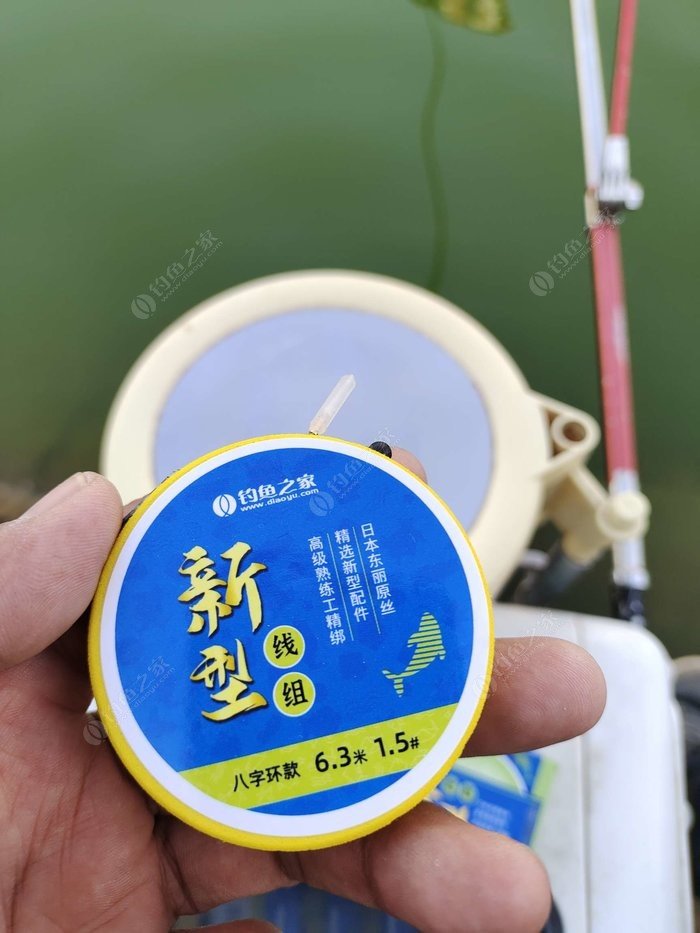
- Tie on an 8-shaped ring or A-type swivel
- Attach a leader (1.5-2 lb test, 30cm long before folding, 5cm between hooks)
Why the space beans? When a yellow catfish grabs the worm, it swims away fast. The sinker hits the first space bean, and boom-auto-hook. You don’t have to be there to set it. The bell will ring, you walk over, and reel it in. It’s like having a little fishing robot. Genius, right? I’ve napped through bites before (don’t tell the fishing police) and still caught fish. Lazy angler’s dream.
Pro Casting Tips (Don’t Mess These Up)
- Take the bell off first-otherwise it’ll wrap around the rod. Duh.
- Flip the line guide to the inside of the rod
- Hold the main line with your thumb (to keep it from flying out)
- Leave 30cm (1ft) between the rod’s last guide and the rig end
- Throw it hard, then let go of the line with your thumb
- Once it lands, put the rod in a holder, flip the guide back, tighten the line, and put the bell on. Wait for the jingle!

One Last Rule: Mix Up Your Spots
Here’s a mistake new anglers make all the time: fishing the same spot every time. Dude-if you catch a bunch of fish there, the rest will be spooked. They’ll hide, or move to a new area. So next time, go 100 feet left, or 500 feet right. Wait a few days, and the spot will be restocked. I’ve learned this the hard way-spent three hours in my favorite spot once, caught zero, then moved 200 feet and caught 15 in an hour. Lesson learned.
And hey-let’s be nice. Catch what you need, but throw back the little ones. They’ll grow into monsters, and you’ll have more fish to catch later. No one wants to be the guy who takes all the small ones. Be a civilized angler, okay?
Alright, that’s all my secrets. Go out there, try these tips, and let me know how it goes. I’m already planning my next trip-there’s a rock pile near the old bridge that’s been calling my name. Catch you on the water, and may your worms be wiggly and your bites be frequent!