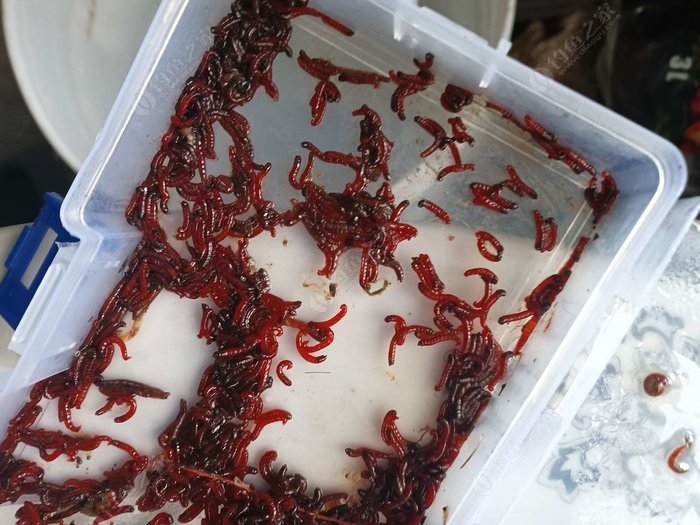
Why Red Worms Are the Ultimate Winter Fishing Bait (And Why Summer Hates Them)
Let’s cut to the chase: winter fishing can feel like a battle against the cold, the slow fish, and your own freezing fingers. But there’s one bait that turns the tables-red worms. I swear, these tiny wrigglers are like fish crack in the cold months. Think about it: fish need loads of protein to survive winter’s chill, and red worms (those squishy, wriggly larvae of midges) are basically a underwater protein bar. Plus, that distinct earthy, wormy smell? Fish can’t resist it, even when they’re half-asleep from the cold.
Here’s the thing, though: red worms aren’t a one-trick pony. I’ve wasted so many of them over the years by using the wrong method-either they died too fast, or the fish just weren’t biting. So today, I’m spilling all my red worm hacks for winter fishing. Whether you’re a weekend warrior hitting the local pond or a die-hard black pit angler, these tips will save you time, money, and frustration. Let’s dive in!


Method 1: Direct Hooking (The No-Fuss, Back-to-Basics Way)
If you’re lazy like me sometimes (no shame!), direct hooking is your go-to. It’s quick, requires zero prep, and works great for casual winter fishing trips. But wait-there’s a right way and a wrong way to do it. Let’s break down the three main direct hooking techniques I’ve tested (and the mistakes to avoid):
1.1 Straight Hook Piercing (Fast, But Messy)
This is the “grab and stab” method, and it’s perfect for when you’re in a hurry. Here’s how to do it: take 4-5 fresh red worms, and thread your hook through the black head of each one (not the squishy body!). The idea is to keep them wriggling on the hook to attract fish.
Pros: Super fast-you can rig up in 10 seconds flat. Great for impromptu trips where you forgot to prep.
Cons: Piercing the head leaks their body fluids fast. Once the fluids are gone, the worms stop wriggling, and fish lose interest. I’ve had so many worms die mid-cast because I messed up the piercing spot.
1.2 Red Worm Clip + Rubber Band (Keep Them Alive Longer)
This is a game-changer if you want active worms. Grab a red worm clip (you can find them at any tackle shop for $2) and a small rubber band. Put 3-4 worms in the clip, stretch the rubber band over them, and then clip the whole bundle to your hook. The rubber band holds them together without piercing their bodies, so they wriggle like crazy for hours.
Pros: Worms stay alive way longer-fish love chasing moving prey! No more re-rigging every 5 minutes.
Cons: It’s a total worm hog. I once went through a whole container of red worms in 2 hours using this method. If you’re on a budget, skip it.
1.3 Cotton Thread Binding (My Winter Favorite for Casting Rods)
Okay, this one takes patience, but it’s worth it-especially for casting rods with string hooks. Here’s my hack: the night before a trip, sit on the couch with a bowl of red worms, a spool of thin red cotton thread (red blends in with the worms!), and a pair of small scissors. Take 5-6 worms, line them up, and wrap the thread around their middle 3-4 times. Tie a tight knot, and snip the excess thread.
When you hook the bundle, the thread holds them together without hurting them. They stay wriggly, and you don’t waste half your worms. I use this for casting rod string hooks every winter-it’s saved me so much money!
Pros: Worms stay alive for hours, and you use way less bait. Perfect for long winter days by the water.
Cons: It’s tedious. I once spent 45 minutes binding worms before a trip-my hands were cramping! But trust me, the results are worth it.


Method 2: Pure Red Worm Lure (Black Pit Winter Fishing Magic)
If you’re into black pit fishing (where the fish are picky and the competition is fierce), pure red worm lure is non-negotiable. It’s expensive, but it’s the only thing that works when the water is ice-cold and fish are stubborn. Here’s how to make it:
You’ll need fresh red worms, a specialized red worm binder powder (I use “Red Worm Master” brand-no sponsorship, just personal preference), and a dash of pumpkin powder (for extra stickiness). Mix the worms and powders in a bowl until they form a clumpy, sticky mass. Then, use your hook to pull a small clump-this is called “pulling the lure.”
Why does this work? The binder keeps the worms together, so every pull gives you a wriggly, smelly clump that black pit fish can’t resist. I’ve won a few small black pit tournaments using this method-no joke.
But a word of warning: don’t use this for winter fishing! The cost is way too high, and wild fish don’t need that fancy stuff. Save your money for black pit trips.

Method 3: “Meat Sandwich” Bait (Winter Bridge Rafting MVP)
This is my secret weapon for winter bridge rafting. I call it the “meat sandwich” because it’s a mix of regular bait and red worms-like a burger with extra cheese. Here’s how to make it:
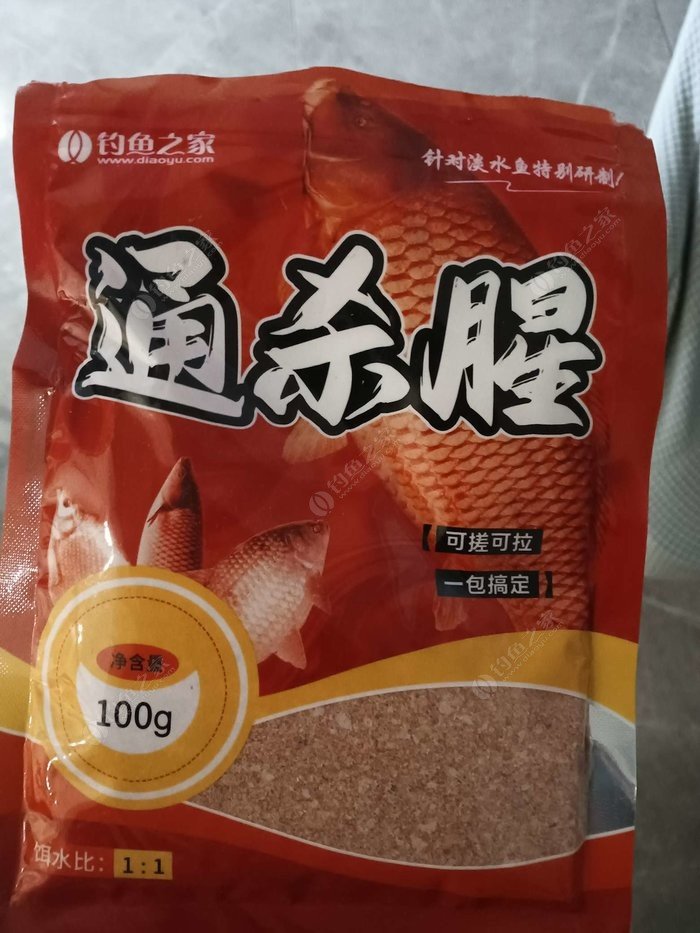
- Start with a basic all-purpose fishy bait (I use “Winter Kill” bait-smells like fish guts, which winter fish love).
- Mix the bait with water in a 1:1.2 ratio (1 part bait, 1.2 parts water). Let it sit for 10 minutes to absorb the water (this is called “waking up” the bait).
- Before kneading the bait, add a handful of fresh red worms. Knead gently until the worms are evenly mixed in-you want “worms in the bait, bait on the worms.”
When you pull the bait, each hook has both bait residue and wriggling red worms. It’s like a double whammy for fish-they get the smell of the bait and the movement of the worms.
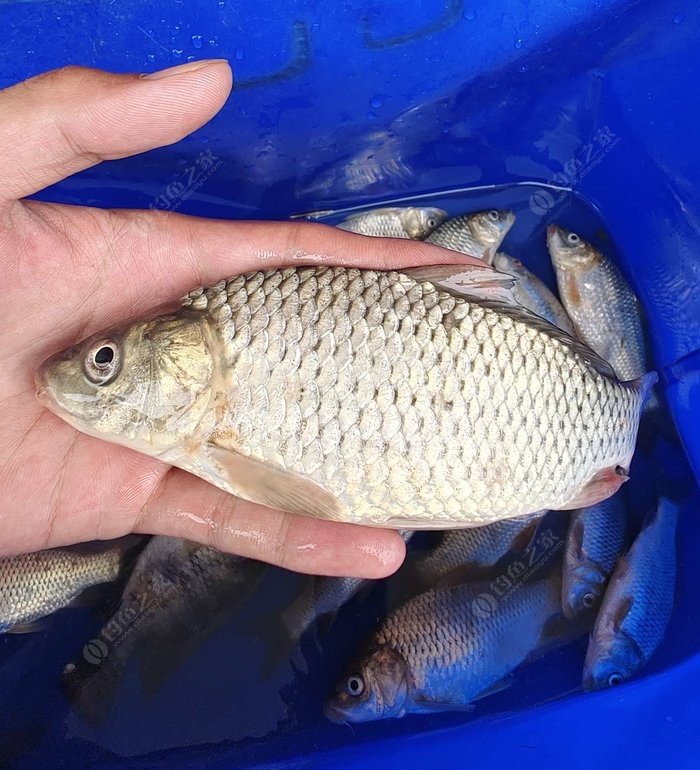
Here’s my bridge rafting tip: you don’t need to make a nest, but you have to lift your rod frequently (every 30 seconds or so). The movement of the bait and worms attracts fish from far away. I’ve caught more carp and crucian carp in winter using this method than any other.
Pros: Cheap (uses less red worms than pure lure), effective for bridge rafting, and no nest needed.
Cons: You have to keep lifting the rod-your arms will get tired! But hey, it’s a good winter workout.


Bonus: Red Worm Bait Hacks You Need to Know
Before I wrap up, let’s talk about some pro tips to make your winter red worm fishing even better:
How to Keep Red Worms Alive Longer in Winter
Winter is harsh on red worms-they hate cold and dryness. Here’s how to keep them fresh for days:
– Store them in a plastic container with damp coconut fiber (not soil-soil gets messy).
– Add a few drops of water every day to keep the fiber damp (but not soaking wet).
– Keep the container in a cool, dark place (like your garage or basement)-avoid freezing temperatures!
How to Save Money on Red Worms
Red worms aren’t cheap, especially in winter. Try these tricks:
– Use cotton thread binding instead of rubber bands (saves 50% of worms!).
– Don’t buy more than you need-check the weather forecast first. If it’s going to be super cold, fish might not bite, so skip the big container.
– Collect your own! If you have a garden, dig around in damp soil after a rain-you might find free red worms.
Weird (But Effective) Red Worm Hack I Tried
I once heard someone blend red worms into a juice to mix with bait. I tried it… and it was a disaster. The red juice got everywhere-on my clothes, my tackle box, even my face. I never caught a single fish with it, and I ended up throwing away the whole batch. Save yourself the mess-stick to the methods I shared!
Final Thoughts (And a Funny Red Worm Story)
Red worms are more than just bait-they’re my winter fishing lifeline. I’ve spent so many cold mornings huddled by the water, watching my float bob because of a wriggling red worm. And hey, even my pet turtle loves them! I’ve had “Jucai” (my turtle) for a year, and I decided to test the red worm magic on him. I put a worm in his tank, and he bit my finger trying to get it-oops! Now he ignores his regular turtle food and begs for red worms. Talk about a universal lure!
At the end of the day, winter fishing is all about adapting. Red worms are your best friend, but only if you use them right. Whether you’re direct hooking, making pure lure, or trying the meat sandwich, remember: patience is key. Winter fish are slow, so don’t get frustrated if you don’t catch anything right away.
What’s your favorite red worm method? Have you tried any weird hacks that worked (or failed miserably)? Drop a comment below-I’d love to hear your stories!