How to Keep Earthworms Alive for Fishing: A Angler’s Practical Guide
Let’s be real—winter fishing isn’t for the faint of heart. While half the fishing crew is packing up their rods until spring, the diehards are still out there, braving frostbite and fog to chase that perfect bite. And guess what? When the water’s cold, those fancy packaged baits? They might as well be plastic decorations. Live bait—especially earthworms—becomes the MVP. But here’s the catch: buying earthworms for every trip is a pain, and if you don’t store them right, they’ll turn into mushy messes before you even hit the lake. I’ve been there—wasted a whole pack because I forgot they hate soggy dirt. So today, I’m spilling my go-to earthworm storage hacks that’ve saved me countless bucks and frustration. Let’s dive in!

Why Earthworms Are Winter Fishing Gold
First, let’s give credit where it’s due. Winter fish are slow—their metabolism drops, so they’re not chasing fast-moving lures. Earthworms wriggle just enough to trigger a bite without tiring out the fish. Plus, their natural scent is impossible for cold-water predators to resist. Whether you’re targeting bass, trout, or panfish, a well-placed worm on a hook is often the difference between a blank day and a cooler full of catches. But here’s the problem: most anglers buy earthworms in those tiny plastic bags, and if you don’t transfer them to a proper home, they’ll die in days. Trust me, I’ve learned the hard way.
My Go-To Earthworm Storage System (No Fancy Gear Needed)
You don’t need a fancy aquarium or a high-tech bin to keep earthworms alive. I’ve tested everything from old yogurt containers to shoe boxes, and here’s what actually works—no fancy tools required.
1. The Perfect Home: Container & Bedding Basics
Let’s start with the basics: your earthworms need a cozy, dark, and breathable space. Here’s what I use:
- Container: A small plastic bin, old shoe box, or even a repurposed yogurt tub works. But my favorite? Those foam boxes from grocery delivery (you know, the ones your frozen pizza or cold cuts come in). They’re lightweight, insulated, and the perfect size for a few dozen worms.
- Bedding: Forget potting soil from the garden—too dense and often has chemicals. Instead, grab some loose, crumbly soil (I hit up a local farm for cow manure soil—wait, hear me out! It’s not stinky if the cow only eats grass, and worms love it). If you can’t find manure soil, regular garden soil works, but mix in a little coconut coir to keep it light.
Pro tip: Don’t overpack the container! Leave about 2 inches of space at the top—worms need air to breathe. And whatever you do, don’t add water directly to the bedding. I made that mistake once, and woke up to a container of drowned worms. Yuck. Instead, spritz the bedding with a spray bottle until it’s damp (like a wrung-out sponge). If you squeeze it and water drips out, it’s too wet.
2. Feeding Worms: Keep ‘Em Happy, Not Hungry
Earthworms aren’t picky eaters, but they need snacks to stay plump and lively. Here’s what I feed mine (and what to avoid):
- Good Snacks: Leftover fruit peels (apple cores, banana peels—chop ‘em small!), vegetable scraps (carrot tops, lettuce ends), or even a tiny bit of cornmeal. Worms love decaying organic matter, so these scraps are perfect.
- Bad Snacks: Spicy food, citrus (too acidic), meat, or dairy. These will rot fast and make the bedding stinky—plus, they’ll kill your worms. Trust me, I tried a tomato slice once, and the whole bin reeked for days. Never again.
How much to feed? Just a tiny handful every 2-3 weeks. Worms eat slowly, so don’t overdo it—leftover food will rot and create a toxic environment. I usually add a few apple cores and a sprinkle of cornmeal, and that’s enough to keep them going for a month.
3. Temperature & Light: Worms Hate These Two Things (Sort Of)
Earthworms are sensitive to their environment—get this wrong, and you’ll have a mass escape (or a mass grave). Let’s break it down:
- Temperature: Worms thrive between 10°C (50°F) and 25°C (77°F). But here’s a secret: they can survive down to 0°C (32°F) as long as the bedding doesn’t freeze solid. So if you’re storing them in a garage, make sure it doesn’t drop below freezing. If it does, bring them inside—your basement or a cool closet works great. Never put them in direct sunlight—even a little sun will dry out the bedding and kill them fast.
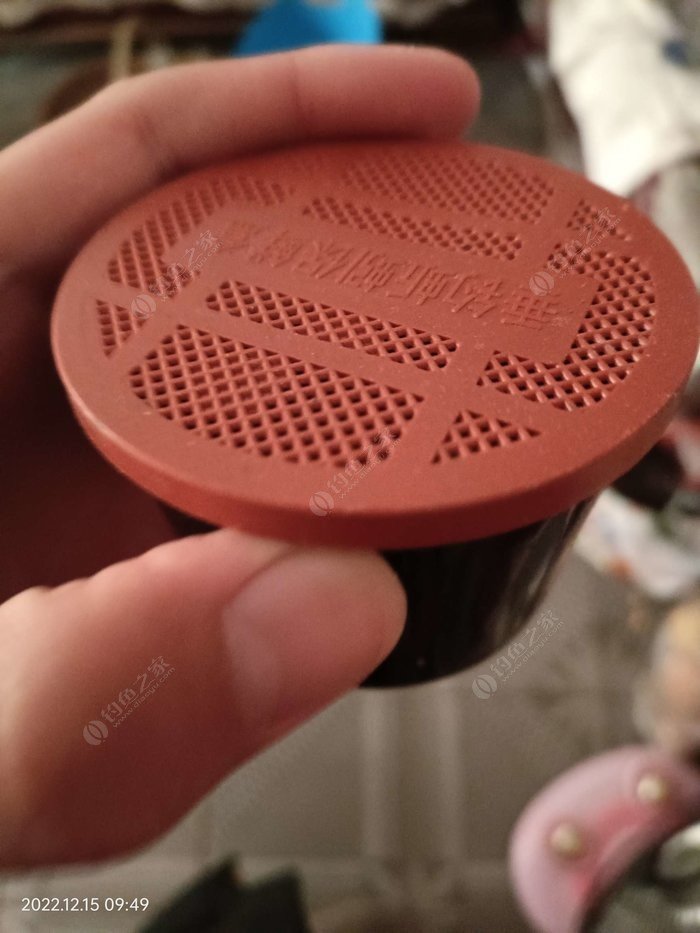
- Light: Worms are photophobic—they hate bright light. If you leave the container uncovered, they’ll crawl out looking for darkness. I learned this the hard way: once I left my worm bin on the kitchen counter overnight, and woke up to find worms crawling all over the floor. I spent an hour chasing them with a flashlight—total chaos. So here’s the fix: either keep the container in a dark place (like a closet) or leave a small LED light on near the bin. Wait, that sounds counterintuitive, but trust me—worms will stay in the bedding if there’s a little light. Just don’t use a bright bulb—soft LED is perfect. And if you do cover the container, don’t seal it tight. Punch a few small holes in the lid for air—worms need oxygen!
From Store to Bin: How to Transfer Worms Without Killing Them
Most stores sell earthworms in those tiny plastic bags with a little damp paper towel. That’s fine for a day or two, but if you don’t transfer them to a proper bin, they’ll die quickly. Here’s how I do it:
- Take the plastic bag and gently tear it open (don’t yank—you’ll crush the worms).
- Empty the worms and the paper towel into your prepared bedding (damp, loose soil in a foam box).
- Wait a few minutes—they’ll burrow into the soil on their own. Don’t poke or prod them—they’re sensitive!
- Close the lid (with air holes!) and put the bin in a cool, dark place. That’s it!
Pro tip: If you buy a lot of worms (like a pound), split them into two bins. Overcrowding is a killer—too many worms in one space means not enough food or air. I once tried to cram 100 worms into a small yogurt tub, and half of them died in a week. Never again.
Common Mistakes to Avoid (I’ve Made All Of These)
Let’s be honest—we all mess up sometimes. Here are the mistakes I’ve made (and you should avoid):
- Overwatering: As I said earlier, too much water = drowned worms. Stick to spritzing, not pouring.
- Sealing the Container: No air = dead worms. Punch those holes!
- Feeding Too Much: Leftover food rots, makes the bedding stinky, and kills worms. Less is more.
- Storing in Direct Sunlight: Even a little sun will dry out the bedding and kill worms fast. Keep ‘em in the shade.
- Using Chemical Soil: Potting soil with fertilizers or pesticides will poison your worms. Stick to natural soil or manure.
Final Thoughts: Worms Are Worth the Effort
Look, I know it’s a little extra work to keep earthworms alive. But trust me—nothing beats the confidence of knowing you’ve got a fresh, lively worm on your hook when the fish are being picky. Last winter, I used my stored worms to catch a 2-pound bass through the ice—something I never would’ve done with a packaged bait. And hey, if you mess up a few times? No big deal. I’ve had worm bins die, I’ve chased worms across the floor, and I’ve smelled some pretty rank bedding. But that’s part of the fun of fishing, right? It’s not just about catching fish—it’s about the little hacks and mistakes that make the day memorable.
So next time you buy a pack of worms, don’t just toss them in the fridge (wait, don’t do that—fridges are too cold and dry!). Grab a foam box, some natural soil, and follow these tips. Your future self (and your fishing buddies) will thank you. Now go grab those worms, hit the water, and catch some fish!