Why Fishing Gear Matters (Even for Total Newbies)
Let’s be real—when I first decided to try fishing, I thought all I needed was a stick, some string, and a worm. Spoiler alert: I was wrong. I spent my first morning by the lake watching my line sink without a single bite, while the guy next to me reeled in a bass like it was nothing. Turns out, his secret wasn’t just luck—it was having the right gear. So if you’re a fishing newbie wondering how to set up your tools without overcomplicating things, this guide is for you. We’ll break down everything from the basics to the “nice-to-haves” so you can hit the water with confidence.
The Four Categories of Fishing Gear
Before we dive into specifics, let’s get one thing straight: fishing gear isn’t just a rod and reel. It’s a system. And according to seasoned anglers (and my own trial-and-error), there are four main categories you need to know about. Let’s break ’em down:
1. Main Fishing Tools: The Non-Negotiables
These are the backbone of your setup—without them, you’re just standing by the water holding a stick. Let’s talk about each one:
Rod
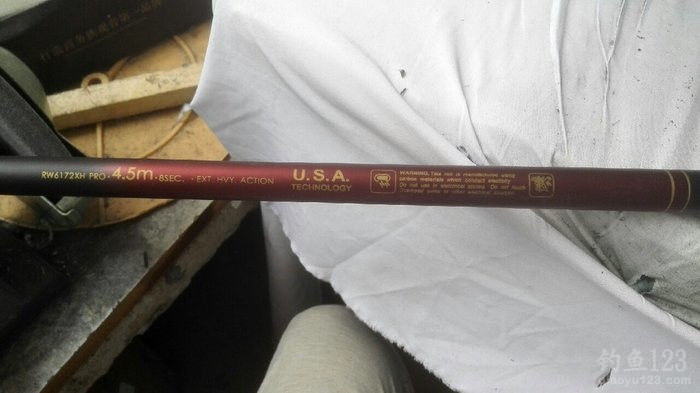
Choosing a rod is like picking a coffee order—there’s no one-size-fits-all, but there are some safe bets. For beginners, a medium-action spinning rod (6-7 feet long) is perfect. It’s versatile enough for lakes, rivers, and even small saltwater spots, and it’s easy to handle if you’re still getting the hang of casting. Pro tip: Don’t splurge on a $300 rod right away—you can find a solid beginner option for $50-$100. Save the fancy stuff for when you’re reeling in trophy fish.
Reel
Stick with a spinning reel to pair with your rod—it’s the most user-friendly for newbies. Look for one with a smooth drag system (this helps when a fish is pulling hard) and a size that matches your rod (check the rod’s label for recommended reel size). I made the mistake of buying a reel that was too big for my first rod, and let’s just say casting was… chaotic. Learn from my pain.
Line
Line is where things get a little technical, but don’t panic. For beginners, monofilament line is your best friend. It’s affordable, easy to tie knots with, and has some stretch (which helps prevent the line from breaking when a fish fights). The thickness (called “pound test”) depends on what you’re fishing for: 4-8 lb test is great for small fish like panfish or trout, while 10-12 lb test works for bass or catfish. Avoid going too heavy—thicker line is more visible to fish, and you’ll miss bites.
Hook
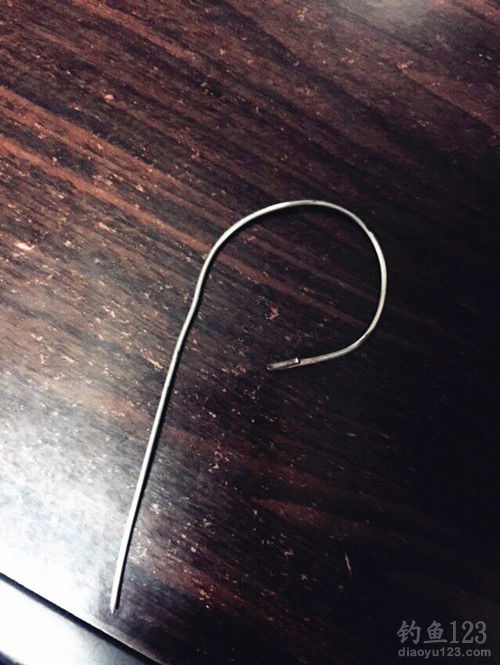
Hooks come in all shapes and sizes, but for starters, stick with “J-hooks” in sizes 6-10. They’re simple to use and work for most baits (worms, minnows, etc.). Just make sure the hook is sharp—dull hooks mean lost fish. I once spent 20 minutes trying to figure out why a fish kept stealing my worm without getting hooked… turns out my hook was so dull it couldn’t pierce the fish’s lip. Oops.
Float (Bobber)
Floats are a beginner’s best friend because they let you see when a fish is biting. Go for a small, colorful plastic bobber—they’re cheap and easy to attach to your line. Just slide it on above your hook (leave a few feet of line between the bobber and hook so your bait sinks to the right depth) and watch for it to dip or move. Trust me, there’s nothing more exciting than seeing that bobber go under for the first time!
Sinker (Weight)
Sinkers help your bait sink to the bottom (or the depth where fish are hanging out). For beginners, split-shot sinkers are ideal—they’re small, easy to add/remove, and won’t weigh down your line too much. Just crimp one onto your line below the bobber (but above the hook) and adjust the amount based on how deep the water is. Too many sinkers? Your bait will get stuck on the bottom. Too few? It’ll float on the surface where no fish are. Balance is key.
2. Auxiliary Fishing Tools: The “Nice-to-Haves” That Make Life Easier
These tools aren’t mandatory, but they’ll save you a ton of frustration. Think of them as the sidekicks to your main gear. Here’s what to consider:
- Landing Net: You’ve reeled in a big fish—now what? A landing net helps you get it out of the water without dropping it (or getting your hands dirty). Look for a net with a soft mesh (so it doesn’t hurt the fish if you’re catch-and-release) and a telescopic handle (easy to carry). I once tried to grab a 2-pound bass with my bare hands… let’s just say it got away and I ended up with a wet shirt. Lesson learned.
- Fish Bag: If you’re keeping your catch, a fish bag (or “stringer”) keeps your fish fresh and prevents them from flopping around in your cooler. For catch-and-release, skip this—just use your net to gently release the fish back into the water.
- Fishing Chair or Stool: Let’s be real—standing for hours on end is not fun. A small, portable folding chair or stool lets you sit back and relax while you wait for bites. Look for one with a cup holder (for your soda or beer) and a carrying strap. Your back will thank you.
- Rod Holder: A rod holder keeps your rod upright while you’re waiting for a bite, so you don’t have to hold it the whole time. It’s especially useful if you’re fishing with multiple rods (which I don’t recommend for beginners—stick to one until you’re comfortable). You can get a clamp-on holder for your chair or a stake-out holder for the ground.
- Bait Bucket: If you’re using live bait (like worms or minnows), a bait bucket keeps them alive and fresh. Look for one with a lid and aeration holes (so the bait can breathe). Pro tip: Don’t forget to bring extra water—bait gets thirsty too!
- Bait Mixes: Bait mixes (like dough bait or corn) are great for attracting fish to your spot. You can buy pre-made mixes at the store or make your own (there are tons of recipes online). Just toss a handful into the water before you cast—this is called “chumming” and it’ll bring fish to you.
3. Backup Fishing Tools: Prepare for the Worst (But Hope for the Best)
Let’s face it—fishing is full of surprises. Lines break, hooks get lost, and reels jam. That’s why backup tools are a must. Here’s what to keep in your bag:
- Extra hooks (in different sizes)
- Extra line (matching your main line’s pound test)
- Extra sinkers and bobbers
- A small pair of pliers (to cut line or remove hooks from fish)
- A knot-tying tool (if you’re bad at tying knots—no shame, I still use one)
- Extra reel spool (in case your main spool runs out of line)
I once broke my line three times in one day (thanks to a snappy bass) and didn’t have extra line. I ended up sitting on the bank watching everyone else fish. Don’t be that guy. Pack backups.
4. Daily Essentials: Stay Comfortable (and Safe)
Fishing isn’t just about catching fish—it’s about enjoying the experience. And if you’re uncomfortable or hungry, you won’t have fun. Here’s what to bring:
- Food and snacks (granola bars, sandwiches, fruit—nothing too messy)
- Water (stay hydrated! Even if it’s cool outside, you’ll sweat)
- Rain gear (a lightweight jacket or poncho—you never know when it’ll rain)
- Sun hat and sunglasses (protect your face and eyes from UV rays)
- Sunscreen (SPF 30+—reapply every 2 hours)
- Insect repellent (mosquitoes love fishing spots—trust me)
- First-aid kit (band-aids, antiseptic, pain relievers—for cuts or headaches)
- Phone (for emergencies or taking photos of your catch)
- Towel (to dry your hands or clean up spills)
Pro tip: Pack a small cooler with ice for your drinks and snacks. There’s nothing worse than a warm soda on a hot day.
How to Choose and Prepare Your Gear: Tips for Newbies
Now that you know what gear you need, let’s talk about how to choose and prepare it. The golden rule? Adapt to your situation. Here’s what that means:
Seasonal Adjustments
Fish behave differently in different seasons, so your gear should too. For example:
- Spring: Fish are active and moving to shallow water. Use lighter line (4-6 lb test) and smaller hooks—they’re more likely to bite small baits.
- Summer: Fish go deep to stay cool. Use heavier line (8-12 lb test) and a longer rod to cast farther.
- Fall: Fish are feeding heavily before winter. Use medium line (6-10 lb test) and bigger baits—they’re hungry!
- Winter: Fish are slow and less active. Use very light line (2-4 lb test) and small hooks—you need to entice them to bite.
Location Adjustments
Where you fish matters too. Here’s how to adapt:
- Lakes: Use a medium-action rod and 6-8 lb line. Fish near weeds or docks—those are hotspots.
- Rivers: Use a heavier rod (medium-heavy action) and 8-10 lb line—current is strong, so you need more control.
- Saltwater (shore): Use a longer rod (7-8 feet) and 10-12 lb line—saltwater fish are bigger and stronger.
Keep It Light (But Don’t Skimp)
As a newbie, it’s easy to overpack—you want to be prepared for everything. But trust me, carrying a 50-pound bag to the water is not fun. Stick to the essentials: main gear, a few backups, and daily essentials. You can add more tools as you get more experience. Remember: Less is more when you’re just starting out.
Final Thoughts (From a Former Newbie)
Setting up your fishing gear as a beginner doesn’t have to be overwhelming. Start with the main tools (rod, reel, line, hook, float, sinker), add a few auxiliary tools to make life easier, pack backups for emergencies, and don’t forget the daily essentials. And most importantly, have fun! I’ve had days where I didn’t catch a single fish, but I still left the lake smiling because I enjoyed the fresh air and the quiet. Fishing is about the journey, not just the catch. So grab your gear, hit the water, and see what happens. Who knows—you might just reel in your first big one. And if you do, take a photo—you’ll want to remember it. Happy fishing!