Ultimate Guide to Catching Black-spotted Fish (Pike/Duck Fish): Expert Tips for Anglers
Ever wanted to outsmart a fish that’s basically the water’s version of a grizzly bear? Let’s talk about black-spotted fish, also known as pike or “duck fish” – these guys are not your average pond fish. They’re like the “king of the lake” with a reputation for being tough, territorial, and – let’s be real – total jerks to catch. But don’t worry, I’ve got the inside scoop on how to turn the tables and land one of these bad boys. Let’s dive in!
First Things First: Who Are These “Water Kings”?
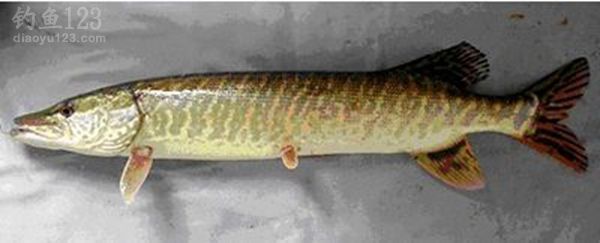
Black-spotted fish (pike, or “duck fish” in some regions) are no pushovers. They’ve earned the title “king of the water” for a reason: imagine a fish with teeth sharper than a kitchen knife, a huge appetite that makes a python look picky, and the ability to dominate entire reservoirs and lakes. They’re like underwater tank commanders – strong, territorial, and not afraid to show off their aggression. I once saw a video of a 30kg pike chomping down on a full-grown goose that was swimming too close to its lair. Yep, that’s the level of chaos we’re dealing with here. These aren’t fish you “catch” – they’re fish you conquer… with the right strategy.
Bait Selection: The Secret to Luring the Greediest Predators
Let’s cut to the chase: if you’re not using the right bait, you’re just throwing your hook into the void. These pike have eyes like radar and noses like bloodhounds, so you need something that screams “PREY” to them. The number one choice? Live frogs. But not just any frog – you need a lively little guy, not a bloated old one. Why? Because a live frog that’s still swimming will trigger their predatory instincts like nothing else. If your frog is half-dead, they’ll ignore it faster than you ignore spam emails. Trust me, I’ve tried that mistake. Wasted 30 minutes with a limp frog, and a nearby pike just stared at me like I was offering a stale cracker.
Here’s the pro move: thread the hook through the frog’s spine, near the tail, so it’s still alive and can swim. That way, it looks like a natural prey item darting away, and the pike can’t resist. I’ve had frogs that were still jumping when they hit the water – total game-changer. If frogs aren’t available (maybe you’re in a dry season or the area doesn’t have frogs), don’t panic! Big live minnows or loaches work too. Just make sure they’re wriggling enough to look alive. I once tried using a dead minnow once, and a pike I was targeting just stared at it like it was a weird rock. Lesson learned: dead bait = instant failure with these guys.
Pro Bait Hack: When Frogs Are Scarce
Okay, so maybe frogs aren’t on the menu where you are. No problem! Live crayfish, small snakes (yes, I’ve heard of people using snakes – crazy, but effective), or even pieces of chicken (though that’s more for catfish, but hey, pike are opportunistic). Wait, no, chicken might not work as well as live bait. Stick to the classics: frogs, minnows, or loaches. If all else fails, check online forums or ask local anglers – they’ll know the best live bait in your area. Local knowledge = better results, trust me.
Fishing Location: Where to Find the “Water Kings” Hiding
Pike aren’t just swimming around randomly; they’re ambush predators. Think of them as the ocean’s sharks but in freshwater, except they’re way easier to catch if you know where to look. They love small gullies, coves, or shallow areas near overhanging trees or dense bushes. Why? Because those spots are shaded (pike hate bright sunlight), calm (they’re lazy hunters), and give them a perfect vantage point to leap out and grab prey. Oh, and a key tip: you need to see the fish first! No, seriously – if you can’t spot a pike, you’re just guessing. They’re not shy, but they’re camouflaged with their dark spots and stripes, so look for subtle ripples or movement near the surface.
Reservoirs and lakes are prime spots, but focus on areas with structure: submerged logs, rocky outcrops, or weed beds. These are like pike playgrounds. I once spent an entire morning in a lake, casting randomly, and caught nothing. Then I noticed a small cove with overhanging willows – boom! Next cast, I felt a huge pull, and that’s when I realized: structure = pike. Avoid open water unless you’re using a boat; pike love to lurk in the shadows near structure.
Pro Location Hack: Use the “See the Fish” Rule
Here’s a trick: walk along the shoreline and scan the water. Look for any dark shapes that don’t belong – pike are often darker than the surrounding water. If you spot one, mark it mentally and cast your bait near it. If it’s not there, move on. These guys are territorial, so if you find one, there might be more in the area. And remember: don’t cast too close – they’re skittish if they see you. Wait, no, actually, they’re ambush predators, so they’ll strike if they think you’re prey. Wait, no, you’re the predator here! Just don’t make sudden movements. Slowly approach the spot and cast near the structure.
Best Time to Catch Pike: Seasons and Times of Day
Timing is everything with these water kings. Let’s break it down season by season. Spring is prime time. Why? Because after winter, they’re starving and active, rebuilding energy for spawning. If you hit spring right, you could land a monster. Autumn is also huge – rising water levels (from rains or snowmelt) bring more prey fish, so pike are feeding nonstop to fatten up for winter. Avoid mid-summer and mid-winter: in summer, they hide in deep, dark water to escape the heat; in winter, they’re sluggish and barely move. You’ll catch nothing but a frozen line if you try then.
As for the time of day? Early morning, late afternoon, or night. Dawn and dusk are peak times because the light is low, and pike feel safer ambushing prey. I remember one time I fished at midnight – the moon was out, and I swear I saw a shadow that was definitely a pike. I cast my line, and within 10 minutes, I had a 15kg beast on the line. It was like a monster movie – the water was thrashing, and I was holding on for dear life. So don’t sleep on night fishing either; just make sure you’ve got good lighting or a headlamp. Daytime? Only if you’re desperate – try early morning before the sun rises, or late afternoon before it sets. Midday? Skip it unless you’re on a boat in deep water.
Pro Time Hack: Check the Weather
Oh, and weather! Pike are more active before a storm or after a rainstorm. The rising water brings more prey, so they’re hunting. If there’s a storm coming, head out the day before or the day after – that’s when the action is. I once went fishing during a light rain, and caught 3 pike in an hour. It was like they were celebrating the storm. So keep an eye on the forecast – rain = pike party time.
Tackle Setup: No Rod? No Float? No Problem!
Wait, no rod? No float? You read that right! For pike, traditional gear is overkill. These fish are so strong that a regular fishing rod might bend or break, but if you use a simple setup, you’ll still get the job done. Let’s break down the essentials:
- Main Line: Thick, strong nylon – think fishing net line or 50-100lb test. It needs to be tough enough to handle a big pike without snapping. I’ve used old fishing nets as line before – works surprisingly well, especially if they’re made of durable material.
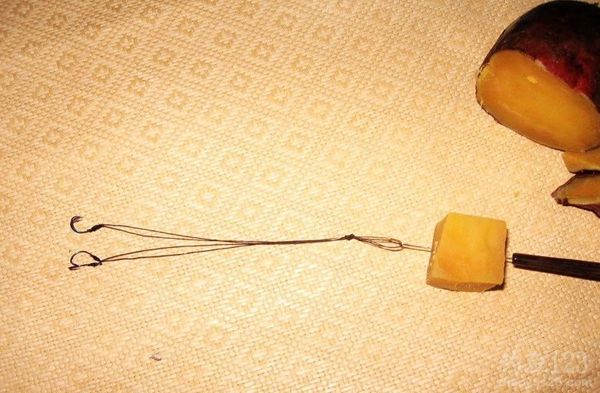
- Hooks & Leaders: Space hooks every 0.5 meters (1.5 feet) along the main line. Each hook should have a 30cm (1 foot) leader. Use soft nylon leaders (not hard wire) – hard wire makes the fish feel it and spit the hook, while soft nylon is natural and less likely to break. Hooks: size 10/0 or 12/0 circle hooks (Maruto brand is popular for big fish). You’ll need about 10 hooks per setup – more hooks = more bites.
- No Rod? Some people use a simple pole or even a stick to hold the line, but honestly, you’ll feel the pull through the line itself. Just make sure you’ve got a good grip and a sturdy net ready. No float needed – the fish’s movement will pull the line, so you’ll feel it directly.
Pro tip: If you’re new to this, start with a smaller setup (fewer hooks, lighter line) to practice. I messed up my first time with a tiny hook and a weak line – the fish broke free, laughing at me the whole time. Now I’m a pro, and so can you! Just remember: bigger line = bigger fish (and less chance of breaking). 50-80lb test is ideal for most pike sizes.
After the Hook: Staying Safe and Reeling in the Big One
Once you’ve got that pike on the line, don’t rush in to grab it. These guys have teeth sharper than a chainsaw blade – I’m not kidding. I once tried to lift a 20kg pike by hand, and it bit my net so hard I thought my arm was going to come off. Lesson learned: hide and watch first. After casting, leave the line alone and stay hidden behind a tree or rock. Listen for splashes – that’s your cue. When you hear the fish thrashing, grab a big net (at least 1.5m wide) and move quickly.
If the fish is too big, use a tool to stun it first. A long stick or a blunt object (like a paddle) works – tap it on the head gently to make it release the hook. Then, scoop it up with the net. Once it’s in the net, use a pair of pliers to remove the hook (wear gloves!), and if you’re keeping it, gaff it with a small harpoon or gaff. If not, let it go – but pike are tough, so releasing them might take some work. Just make sure you’re careful with the teeth; they can cut through clothing, so wear thick gloves and long sleeves.
Pro catch tip: If you’re in a group, have someone spot the fish while you approach. No one wants to get bitten, so safety first! And remember, even small pike can have sharp teeth – don’t underestimate them. I was once bitten by a 5kg pike while trying to unhook it, and that still hurt like hell. Trust me, gloves = your best friend here.
Final Thoughts: Ready to Become a Pike Master?
Catching black-spotted fish isn’t easy, but with the right bait, location, timing, and tackle, you’ll be landing those “water kings” like a pro. Remember: live bait > dead bait, structure > open water, and patience > rushing. Start small, practice your setup, and don’t forget to respect these fish – they’re powerful, and they’ll bite back if you’re not careful. Now go out there, grab your gear, and show those pike who’s the real boss!

Check out the image above to see exactly how we’re setting up the rig – spaced hooks, live bait, and a strong main line ready to take on the biggest pike. If you’ve got questions or tips of your own, drop them in the comments below! Let’s outsmart the water kings together.