Beginner’s Guide to Fishing Bait: Understanding How Lures Attract Fish
Okay, let’s be real—if you’re new to fishing, picking the right bait feels like trying to solve a secret code. You stand in the tackle shop, staring at rows of jars and packets, thinking, “Do I go for the neon pink thing? The one that smells like peanut butter? Wait, why does this one reek like old socks?” Trust me, I’ve been there. I once showed up to a lake with a “super stinky” bait my friend swore by, only to watch every fish in a 10-foot radius swim away like I’d dropped a garbage bag in the water. Oops. So let’s break this down: bait isn’t just about looking or smelling “fishy”—it’s about hitting five key triggers: smell, taste, shape, color, and sound. Let’s dive in, no jargon, just real talk.
First Up: The Smell (Or “Aroma,” If We’re Fancy) Factor
Smell is fish’s superpower—they can detect scents from miles away (okay, maybe not miles, but way farther than you think). But here’s the thing: not all smells work for all fish. Let’s break down the main categories:
1. Scent Types & Which Fish Love Them
- Fragrant (Aromatic) Baits: Think sweet, flowery, or earthy scents. These are catnip for “tame” fish like carp, crucian carp, and bream. I once used a honey-scented dough bait and caught three crucian carp in 20 minutes—total game-changer. But wait: don’t overdo it. In clear, “thin” water (where there’s not a lot of algae or debris), a super strong fragrance will scare fish away. Stick to mild, natural scents here.
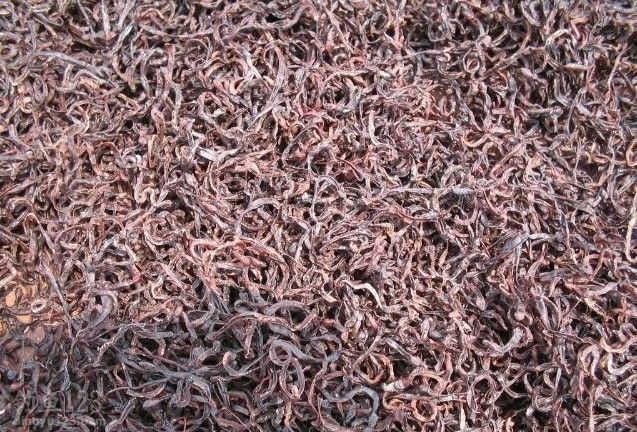
- Savory (Umami) Baits: This is the “fishy” smell we all associate with bait—think worms, shrimp, or processed lures with fish oil. These target top predators like pike, bass, and mullet. I tried a shrimp-scented soft plastic once for bass, and let’s just say the bass were not playing around—snapped the line before I could blink. Pro tip: Savory scents work best in murky water where fish rely more on smell than sight.
- Gamey (Musky) Baits: These have a stronger, almost “meaty” smell—think liver or cheese. They’re perfect for bottom-dwelling predators like catfish, mudfish, and yellow catfish. I once fished for catfish at night with a cheese-based bait, and the first bite was so hard my rod almost went flying into the lake. Wild.
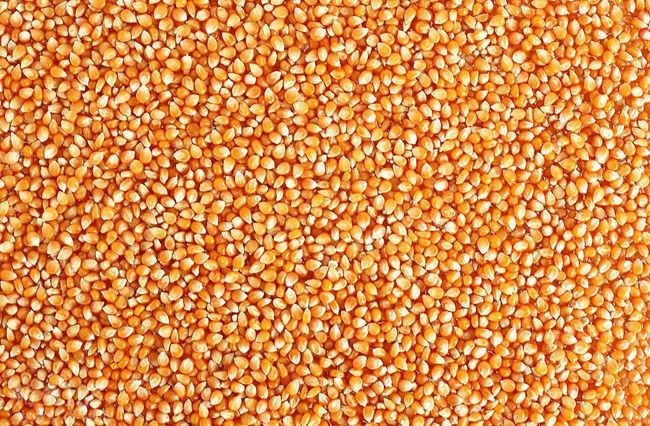
- Strong (Pungent) Baits: Yeah, these smell like garbage—literally. But here’s the shocker: most fish (tame and predatory) will eat them if they’re hungry. I’m talking fermented corn, rotting fruit, or even “stink bait” from the store. I used fermented corn once for carp, and they went crazy for it. Just… don’t eat before using this stuff. The smell sticks to your hands for hours.
2. The Big Smell Mistake Beginners Make
Here’s the tea: more scent doesn’t mean better. I once added three times the recommended fish oil to my bait, thinking it would attract every fish in the lake. Nope. The water got so oily, I could see a sheen on the surface, and not a single fish bit. Fish are smart—if a scent is too strong, it feels “artificial” or even toxic to them. Stick to the label’s instructions, or start with a mild dose. Trust the process.
Next: Taste—Because Fish Are Foodies Too
Okay, so smell gets their attention, but taste makes them stay. Fish have taste buds all over their bodies (mouth, lips, even fins!), so the flavor of your bait matters more than you think. Let’s break down the key tastes:
1. Sweet vs. Sour vs. Salty: Which Fish Crave What?
- Sweet Baits: Carp and crucian carp go crazy for these. I once used a marshmallow-dough mix (yes, marshmallows!) and caught a 10-pound carp—still my personal best. But don’t go for candy-level sweet. A mild, natural sweetness (honey, molasses) works way better than a sugar overload.
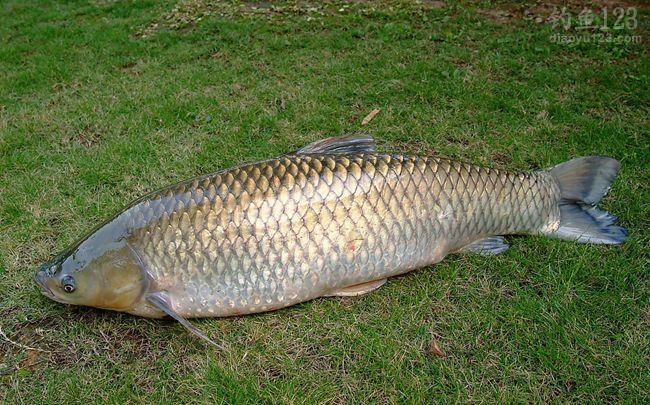
- Sour Baits: Think fermented corn or sour dough. These are favorites of grass carp and silver carp (the “plankton eaters” of the fish world). I tried sour corn once for grass carp, and they were all over it—even the small ones couldn’t resist. Just make sure it’s mildly sour, not vinegar-level tangy. Too sour will turn them off.
- Salty Baits: Predators like pike, tuna (wait, no, tuna are saltwater—let’s stick to freshwater: pike, bass) love these. I once used a salted shrimp bait for bass, and the bite was nonstop. But again: mild salt is key. A super salty bait will make fish spit it out immediately.
2. The Secret Taste Weapon: Umami
Here’s a pro tip most beginners miss: umami (savory) baits work better than any other taste. Think amino acids (the stuff that makes meat taste “meaty”) or fish sauce. I added a tiny bit of amino acid powder to my dough bait once, and the difference was night and day—caught three times as many fish. Why? Because umami is the “natural” taste of food, so fish recognize it as safe and delicious.
Shape: It’s All About Movement (Not Just Looks)
Let’s be honest: most bait shapes look weird. Square, round, “worm-like”—but shape isn’t just about looks. It’s about movement. Fish don’t care if your bait is a perfect circle—they care if it wiggles, floats, or sinks in a way that looks like food.
1. Why Movement Trumps Shape
In murky water (where visibility is low), shape doesn’t matter at all—movement does. I once used a plain white dough ball (no fancy shape) and just twitched my rod every few seconds. The crucian carp went crazy for it. Why? Because the twitching made the dough look like a tiny, struggling insect. For predators, this is even more important—lures that “swim” like small fish (think soft plastics that wiggle) are way more effective than a static, perfectly shaped bait.
2. The Best Shape for Beginners
You don’t need to be a bait designer to get this right. Stick to these simple shapes:
- Worm-like (cylindrical): Great for all fish—easy to cast, easy to move.
- Small round (dough ball): Perfect for carp and crucian carp—sinks slowly, wiggles a little when you twitch the rod.
- Flat (like a leaf): Good for surface-feeding fish (like bream)—floats on top, looks like a bug.
Pro tip: If you’re using a hard lure (like a spinnerbait), don’t just cast it and wait. Twitch it, reel it in slowly, then pause. The sudden movement will make it look like a wounded fish—predators can’t resist.
Color: It’s Not Just Pretty—It’s Strategic
Okay, let’s talk color. I once bought a neon pink lure because it looked “fun,” only to watch every fish swim away. Turns out, color matters a lot—more than you think. Here’s the breakdown:
1. Warm vs. Cool Colors: When to Use What
- Warm colors (red, yellow): These are bright and easy for fish to see in cold water (winter, early spring). I used a red dough bait in February and caught three crucian carp—total surprise, since I thought fish were “asleep” in cold water. Turns out, warm colors stand out when the water is clear and cold.
- Neutral/cool colors (white, green): These are perfect for warm water (summer). White is bright but not “shocking,” and green blends in with algae. I used a white dough bait in July and caught a 5-pound carp—way better than the neon pink disaster.
- Multi-color (camouflage): These look like bugs or small fish, so they’re great for top predators (pike, bass). I once used a multi-color soft plastic for bass, and the first bite was so hard my rod almost broke. Just don’t use multi-color for tame fish—they’ll see it as a threat.
2. The Big Color Mistake
Don’t use “loud” colors for tame fish. I once used a neon orange dough bait for crucian carp, and they wouldn’t touch it. Why? Because tame fish are skittish—bright, unnatural colors make them think “predator” or “toxic.” Stick to natural, muted colors for carp, crucian carp, and bream. Save the neon for predators.
Sound: The Secret Trigger Most Beginners Ignore
Okay, this one is wild. Fish can hear—really well. They don’t have ears like we do, but they have “lateral lines” (a row of sensors along their bodies) that pick up vibrations in the water. So sound (or vibration) is a secret weapon.
1. How to Use Sound to Attract Fish
Here are three easy ways to use sound:
- Drop bait gently (but not too gently): When you cast your bait, the small splash makes a vibration that fish can feel. I once cast my bait too hard (splash like a cannonball) and scared all the fish away. But a small, controlled splash? That’s like ringing the dinner bell.
- Twitch your rod: Every time you twitch your rod, the bait moves, which creates vibrations. I once twitched my rod every 10 seconds and caught three bass in 15 minutes. Game. Changer.
- Use a “sound lure”: Some lures (like spinnerbaits) have metal blades that spin when you reel them in, creating a clicking sound. Fish love this—they think it’s a small fish swimming.
2. The Sound Rule: Don’t Be Too Loud
Here’s the thing: loud sounds scare fish. I once threw a rock into the water to “attract” fish (don’t ask—beginner move), and not a single fish bit for 30 minutes. Too much vibration makes fish think “danger.” Stick to small, controlled sounds—like a gentle splash or a slow twitch.
My Personal Bait Mistakes (So You Don’t Make Them)
Let’s get real—we all mess up. Here are my top three bait fails, so you can avoid them:
- The “Super Stinky” Bait Disaster: I used a “stink bait” that smelled like rotten eggs for catfish. The catfish didn’t bite, but my hands smelled so bad I couldn’t eat dinner. Pro tip: If it makes you gag, it’s too strong.
- The Neon Pink Lure Fail: I bought a neon pink spinnerbait because it looked cool. The bass wouldn’t touch it. Turns out, neon pink is not a natural color for small fish. Oops.
- The Over-Salted Bait: I added way too much salt to my shrimp bait for bass. The bass took a bite, spit it out, and swam away. Lesson learned: Mild is better.
But hey, mistakes are part of the process. The best way to learn is to experiment—try different scents, tastes, and colors, and see what works for you. I once tried a honey-sweetened dough bait with a little amino acid powder, and it became my go-to for carp. Now I catch at least one carp every time I use it.
Final Thoughts: Bait Is About Knowing Your Fish
At the end of the day, bait isn’t about “tricking” fish—it’s about understanding what they want. Tame fish want mild, natural scents and tastes; predators want savory, moving baits. Cold water needs warm colors; warm water needs cool colors. And always remember: mild is better than strong. I’ve learned more from my bait fails than my successes, and that’s okay. So grab your tackle box, head to the lake, and experiment. You might just catch the biggest fish of your life.
Oh, and one last thing: Don’t forget to clean your hands before handling bait. Fish can smell the soap or sunscreen on your hands, and it will scare them away. I once forgot to wash my hands after using hand sanitizer, and not a single fish bit. Oops. Again.
Happy fishing! 🎣