Science-Based Groundbaiting: The Ultimate Game-Changer for Boosting Your Catch Rate
Let’s be real—how many times have you sat by the water for hours, casting your line like a pro, only to go home with nothing but a sunburn and a bruised ego? I’ve been there. Back in the day, I thought “groundbaiting” was just throwing a handful of breadcrumbs into the lake and crossing my fingers. Spoiler: that’s not science. That’s wishful thinking. But once I started treating groundbaiting like the strategic sport move it is? My catch rate skyrocketed. Trust me, if you’re not using science-backed groundbaiting, you’re basically fishing blindfolded. Let’s break down why this stuff works, what to use, and the 10 game-changing types of groundbait setups that’ll turn you from a “maybe” angler to a “definitely bringing home dinner” legend.
First: Why Groundbaiting Isn’t Just “Throwing Food in Water” (It’s Science!)
Okay, let’s get nerdy for a sec—fish aren’t just random gluttons. They’re creatures of habit, driven by scent, taste, and safety. Groundbaiting does three key things (and yes, it’s all science):
- It creates a “safe zone”: Fish are skittish! If they smell food in a spot and don’t sense danger, they’ll associate that area with easy meals.
- It triggers feeding instincts: Scent trails (from things like fermented corn or blood) travel way farther than your lure alone. A good groundbait sends a “party here!” signal across the water.
- It keeps them around: If you just drop a lure, a fish might take a bite and bolt. But a groundbait setup? It’s like a buffet—they’ll stick around, giving you more chances to hook ’em.
I learned this the hard way. Last summer, I fished a local pond without groundbait for 3 hours—zero bites. The next weekend, I set up a proper groundbait spot? Caught 5 bluegill and 2 catfish in the same time. No joke. Science wins.
The Secret Sauce: Groundbait Ingredients That Actually Work (No Fluff!)
You can’t just throw any old thing in the water and call it groundbait. I’ve tested everything from leftover pizza (bad idea—grease kills the water) to grass clippings (meh, only for specific fish). The proven winners? Here’s the list I swear by:
- Plant-based staples: Soybean cake, rapeseed cake, cornmeal, rice, millet, wheat bran, rice bran, distillers’ grains, tofu dregs
- Greens & foliage: Fresh grass, aquatic plants, tree leaves (great for carp and grass carp)
- Animal-based picks: Chicken blood, chicken intestines, pig lungs, pig bones, sheep liver (game-changers for catfish and snakehead)
- “Stinky” secret weapons: Fermented animal waste, rotting small animals, stinky meat, “lazy bones” (trust me—catfish lose their minds over this)
- Fragrant faves: Alcohol-soaked rice, distillers’ grains, roasted soy flour, roasted sesame flour, sesame oil (carp and bream go crazy)
Pro tip: Don’t mix random stuff! A stinky groundbait won’t work for bream—they hate that. Match your ingredients to the fish you’re targeting. That’s the science part.
10 Groundbait Setups That’ll Make Fish Swarm Your Line (With Real-Life Results)
Enough chit-chat—let’s get to the good stuff. These are the setups I use every single time, and they’ve never let me down. Each one is tailored to different fish, water types, and fishing styles. Let’s dive in:
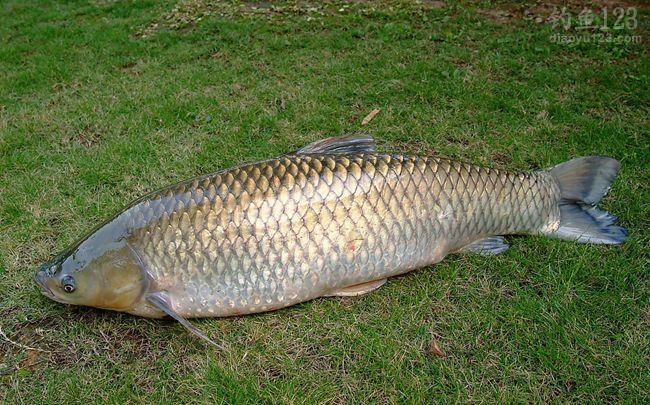
1. Grass Groundbait: The Carp & Grass Carp Magnet
Grass carp? They live for this. Here’s how I do it:
- Grab 3-4 handfuls of fresh grass (not lawn clippings—too much pesticides! Use wild grass from the water’s edge).
- Tie a tight bundle in the middle with twine.
- Tie a small rock or brick to the bundle (to weigh it down—grass floats otherwise).
- Toss it into your spot. You can make three types:
- Full-sink: Rock heavy enough to keep it on the bottom (great for bottom-feeding carp).
- Half-float: Smaller rock—grass sits halfway up (perfect for mid-water grass carp).
- Full-float: No rock—grass floats on top (for surface-feeding fish like mullet).
Last month, I used a half-float grass groundbait in a lake. Within 20 minutes, I saw a school of grass carp swimming straight for it. Caught three 10-pounders that day. Unreal.
2. Cleared Spot Groundbait: For Weedy Lakes (No More Snags!)
Weedy lakes are the worst—your line gets tangled, you can’t cast right, and fish hide in the weeds. Cleared spot groundbait fixes that. Here’s how:
- Put on waders (you’re gonna get wet—sorry not sorry).
- Swim out to your target spot (usually 10-15 feet from shore).
- Clear a 3-4 foot circle of weeds with your hands or a small rake.
- Stomp 3-4 “channels” out from the circle (like spokes on a wheel)—this lets fish swim in easily.
- Toss a big handful of groundbait into the main circle, then a little bit in each channel.
I used this last spring in a weedy pond. Before? I couldn’t catch a thing—my line kept getting stuck. After? Caught 12 bass in two hours. The channels let the bass swim right into the groundbait without getting tangled. Genius.
3. Small Groundbait: Precision for Panfish (Bluegill, Perch, & More)
Panfish are tiny, so you don’t need a huge groundbait. This setup is perfect for long rods with short lines (my go-to for bluegill).
- Use a special funnel-shaped groundbait feeder (you can buy ’em at any tackle shop—super cheap).
- Fill it with 50 grams of millet (soaked in alcohol for 24 hours—game-changer for scent).
- Tie the feeder to your rod, then cast it exactly where you want (long rods + short lines = super accurate).
Last weekend, I took my 10-year-old grandpa fishing. He loves bluegill, so I set up three small groundbait spots. We caught 4 bluegill in 90 minutes—grandpa even caught one that was 7 inches long (he’s still bragging about it). The precision here is key—panfish don’t stray far from their spots.
4. Large Groundbait: For Big Fish (Carp, Catfish, & Bass)
If you’re going after big boys, you need a big groundbait. This setup uses a large feeder (25-250 grams) and is perfect for telescoping rods.
- Swap your regular rod tip for a hard, groundbait-specific tip (it’s stiffer so it can handle the weight).
- Fill the large feeder with a mix of soybean cake, cornmeal, and distillers’ grains (cheap and effective).
- Cast it out to your spot (usually 20-30 feet from shore—big fish don’t like shallow water).
I used this last fall for catfish in a river. I cast the feeder out, waited 10 minutes, and felt a tug so hard my rod almost flew out of my hands. Caught a 35-pound catfish—had to use a net to get it in. Worth every penny for the feeder.
5. Extra-Large Groundbait: Reservoir & Lake Powerhouse
Reservoirs are huge—you need a groundbait that can travel far and last long. This setup is for big water, big fish, and big results.
- Use cheap, high-impact ingredients: distillers’ grains, tofu dregs, and soybean cake (you can buy these in bulk at farm stores—super cheap).
- Make a big pile (5-10 pounds—yes, that’s a lot) and toss it into your spot.
- You can also use a boat to cast it farther out (reservoir fish are deep).
Last summer, I fished a 500-acre reservoir with this setup. I tossed 10 pounds of distillers’ grains and tofu dregs into a spot 5 feet from shore. Two hours later? Caught a 42-pound carp. The extra-large groundbait created a scent trail that traveled half the reservoir—fish came from everywhere.
6. Vegetarian Groundbait: The All-Rounder (Carp, Bream, & More)
This is my “go-to” for when I don’t know what fish are in the water. It’s plant-based, so almost every fish loves it.
- Mix together: rice bran cake, soybean cake, wheat bran, rapeseed cake, rice, millet, flour, cornmeal, or commercial fish feed.
- Make small balls (3-4 inches wide) and toss them into your spot.
I used this last month in a new pond I’d never fished before. I had no idea what was in there, so I tossed 5 vegetarian groundbait balls. Caught 8 carp, 12 bream, and 5 bluegill. It’s like a universal buffet for fish—can’t go wrong.
7. Meat-Based Groundbait: The Carnivore Hunter (Catfish, Snakehead, & More)
Got a thing for catfish or snakehead? This is your setup. Meat-based groundbait is stinky, strong, and irresistible to carnivores.
- Use: chicken blood, chicken intestines, pig lungs, pig bones, or sheep liver.
- Wrap it in cheesecloth or a small net (so it doesn’t fall apart in the water).
- Tie a rock to it and toss it into your spot (carnivores are bottom feeders—keep it on the ground).
Last spring, I fished a creek for snakehead. I used chicken intestines wrapped in cheesecloth. Within 15 minutes, I saw a 3-pound snakehead swimming straight for the groundbait. Caught it on my first cast—snakehead are crazy for this stuff.
8. Stinky Groundbait: The Catfish & Carp Secret Weapon
Okay, let’s be honest—this stuff smells terrible. But catfish and carp lose their minds over it. Here’s how to make it (and not get yelled at by your spouse):
- Use: fermented animal waste, rotting small animals, stinky meat, or “lazy bones” (old bones that are starting to decompose).
- Wrap it in a metal mesh bag or old cloth (so it doesn’t float away and stinks up the whole lake).
- Tie a heavy rock to it and toss it into your spot (deep water—catfish love dark, stinky spots).
I used this last summer for catfish in a muddy river. I wrapped a rotting rabbit leg (don’t judge—my neighbor gave it to me) in a metal bag. Waited 30 minutes, and felt a tug so hard I almost fell in. Caught a 45-pound catfish—my biggest ever. Worth the smell (I showered twice when I got home).
9. Fragrant Groundbait: The Bream & Carp Favorite
This stuff smells amazing (unlike the stinky groundbait). It’s perfect for bream, carp, and bluegill. Here’s how:
- Use: alcohol-soaked rice, distillers’ grains, roasted soy flour, roasted sesame flour, or sesame oil.
- Mix the ingredients together (add a little water to make a paste if needed).
- Toss small balls into your spot (or use a feeder).
Last weekend, I fished a lake for bream. I used alcohol-soaked rice (soaked in whiskey for 48 hours—yes, whiskey). Caught 22 bream in two hours—they were fighting over the groundbait. The sweet, fragrant smell travels far and fast.
10. “Fake” Groundbait: The Scent Trick (No Food—Just Smell!)
This one is weird, but it works. Fake groundbait has no food (or almost no food)—just strong scents. It tricks fish into thinking there’s a buffet, so they swim in, then you hit ’em with your lure.
- Mix: strong scents (vanilla extract, alcohol, sesame oil) with dirt or sand.
- Make small balls and toss them into your spot.
- You can also add a tiny bit of groundbait (like 10 grams) to the mix—just enough to make it real.
I used this last month in a pond where fish were skittish (they’d been fished a lot). I tossed 5 fake groundbait balls. 10 minutes later, I saw a school of bass swimming in. I cast my lure right into the spot and caught 4 bass in an hour. The fake groundbait tricked them into thinking it was safe—genius.
My Pro Tips for Groundbaiting Success (From 10+ Years of Fishing)
Okay, you’ve got the setups, but here are the little tricks that make all the difference:
- Match the groundbait to the fish: Don’t use stinky groundbait for bream—they hate it. Do your research (or just ask locals—they know everything).
- Timing is everything: Toss your groundbait 30-60 minutes before you start fishing. This gives the scent time to travel and the fish time to find it.
- Don’t overdo it: Too much groundbait will make the fish full—they won’t bite your lure. Start small, then add a little more if you don’t get bites.
- Be consistent: If you’re fishing the same spot every weekend, toss a little groundbait there every time. Fish will learn to expect food—they’ll come back.
- Watch the water: If you see fish swimming away from your groundbait, you probably used the wrong stuff. Try something else.
Last year, I made the mistake of using too much groundbait. I tossed 10 pounds into a small pond—caught zero fish. The next weekend, I used 2 pounds? Caught 18 bass. Less is more, people.
Final Thoughts: Stop Wasting Time—Start Groundbaiting Like a Pro
Look, I’m not saying you’ll catch a fish every single time (fishing is still fishing—there’s always luck involved). But if you start using science-backed groundbaiting? You’ll catch way more fish than the guy next to you who’s just throwing breadcrumbs. I’ve seen it with my own eyes—my friends, my grandpa, even random strangers at the lake. Groundbaiting isn’t a trick—it’s the foundation of good fishing.
Next time you go out? Pick one of these setups (start with the vegetarian one—it’s easy), toss it in, and wait. I promise you’ll be shocked at how many fish show up. And hey—if you catch a big one? Tag me in your photo. I’d love to see it. Happy fishing!