How to Choose the Best Spots and Master Tactics for Catching Big Common Carp in Reservoirs This Summer and Fall
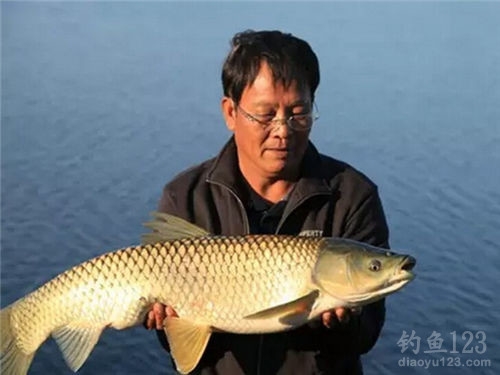
Let’s be real—there’s nothing quite like the thrill of battling a monster common carp in a reservoir. These guys are the heavyweights of freshwater fishing: fast-growing, widespread, and tough as nails. But here’s the thing: they’re also total cowards. One wrong move, one loud noise, and they’re gone—zooming to the deepest, darkest corner of the reservoir like a scalded cat. I’ve spent years chasing these beasts, and let me tell you, it’s not for the faint of heart. But if you’re ready to step up your game, I’ve got the lowdown on everything you need to know—from picking the perfect spot to landing that trophy carp without losing your mind (or your tackle).
First, let’s get one thing straight: common carp are not your average panfish. They’re bottom-dwellers with a serious appetite for protein. Think clams, mussels, snails, grasshoppers, worms, crickets, moths—you name it, if it’s a small critter or a shellfish, they’ll chow down. And in summer and fall? Forget about it. Their metabolism goes into overdrive, so they’re hungry 24/7. That’s why this is the prime time to target them. But reservoirs are tricky—they’re huge, full of hidden drop-offs, and those carp? They know every inch of their territory. So let’s break this down, shall we?

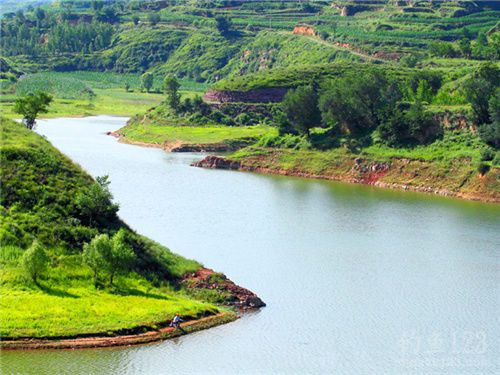
Step 1: Nailing the Perfect Carp Spot in Reservoirs (This Is Make-or-Break)
You can have the fanciest tackle in the world, but if you’re fishing in the wrong spot? You might as well be casting into a parking lot. Common carp are creatures of habit, so you need to think like them. Where do they eat? Where do they feel safe? Let’s dive in.
Follow the Food: Shellfish and Insect Hotspots
Remember those protein-heavy snacks I mentioned? Carp will go where the food is—no exceptions. So first, look for areas with lots of aquatic shellfish (mussels, clams, snails) and insect activity. How do you spot that? Well, if you see shallow, weedy areas near the shore (but not too shallow—carp get skittish in ankle-deep water), that’s a goldmine. Weeds mean insects, which mean carp. Also, check for areas where the water is a little murky—shellfish like to burrow in soft, muddy bottoms, and murky water usually means there’s plenty of that.
Pro tip: If you see bubbles (carp “bubbles” are different from gas bubbles—they’re bigger, more persistent, and often come in clusters), that’s a dead giveaway. But wait—there’s more. If those bubbles are followed by floating grass stems or plant debris? That’s definitely carp. They root around in the bottom, stirring up muck and plants, so that’s your sign to set up shop right there.
Timing Is Everything: Dawn, Dusk, and the Quiet Hours
Carp are crepuscular—meaning they’re most active at dawn and dusk. That’s when they venture into shallower water to feed, away from the prying eyes of predators (and noisy fishermen). I’ve had my best luck at 5 a.m. when the sun’s just peeking over the trees, or 7 p.m. when the sky turns pink. But here’s the catch: if the reservoir is super crowded during the day, carp will hide in deeper water. So skip the midday chaos—stick to the quiet times.
Keep It Quiet: No Loud Talk, No Stomping
I cannot stress this enough. Carp have amazing hearing. One loud laugh, one heavy step, one clank of your tackle box? They’re gone. I once had a guy walk up behind me yelling, “HOW’S IT GOING?!” and I swear I saw three big carp bolt for the deep like a rocket. So here’s my rule: walk like a ninja, talk like a whisper, and keep your gear quiet. Also, avoid crowded areas—head to the backcountry parts of the reservoir where no one else is fishing. Those are the carp’s safe zones.
Step 2: Mastering the Tactics (Because You Don’t Want to Lose That Trophy)
Okay, you’ve found the perfect spot. Now what? Let’s talk tackle, bait, and the all-important “how not to panic” when a 5-pound carp hits your line.
Tackle That Can Handle a Monster
Short rods? Forget it. Carp are skittish—they don’t hang out right next to the shore. You need a long rod—I’m talking 10 feet or more. Why? Because it lets you cast far enough to reach their feeding zones, and it gives you leverage when you’re fighting a big one. Imagine trying to reel in a 50-pound fish with a 6-foot rod—you’d be toast. Long rods let you “give” when the carp pulls, which is key to not breaking your line.
Also, go heavy on the line. Carp have rough mouths and strong bodies—use at least 20-pound test monofilament or fluorocarbon. And don’t skimp on the hook—size 4/0 or 5/0 is perfect for big carp. They’re not going to be shy about a big hook if the bait is good.
Bait and Chumming: Go Big or Go Home
Carp love big, protein-packed bait. Forget tiny worms—use whole snails, chunks of mussel, or even grasshoppers (if you can catch them). But here’s the thing: carp are greedy. If you just toss a little bait out, they’ll eat it and move on. You need to chum heavily—like, really heavily. I’m talking 50-100 pounds of bait if you’re staying for a few days. Why? Because you want to create a “feeding zone” that carp can’t resist. If they know there’s a steady supply of food, they’ll keep coming back.
Pro tip: If you’re only fishing for a day, use corn soaked in carp attractant (you can buy this at any tackle shop) or fresh snails. And don’t forget to “top up” your chum every few hours—carp eat a lot, so you need to keep the buffet stocked.
When the Carp Hits: Stay Calm (I Know It’s Hard)
Okay, so you’ve got a bite. The rod bends, the line screams—your heart is in your throat. Do not yank the rod. Carp have tough mouths, and yanking will just pull the hook out. Instead, let the carp run a little—let it take line, let it tire itself out. This is called “playing” the fish, and it’s the most important part of landing a big carp. If you try to reel it in too fast, you’ll break your line or pull the hook. Patience, grasshopper—patience.
Also, keep the fish in the water as long as possible. Carp get spooked by bright light—if you pull it to the surface too soon, it’ll go crazy, thrashing around and trying to break free. I once had a 40-pound carp flip out when I pulled it to the surface at noon—took me 20 minutes to get it under control. So keep it down, keep it calm, and wait until it’s “tired out” (you’ll know when it stops fighting and just drifts). Then, and only then, can you bring it to the shore and net it.

My Worst (and Best) Carp Story (To Prove This Works)
Let me tell you about the time I almost lost a 55-pound carp. I was fishing at a reservoir in upstate New York, early fall. I’d chummed the spot the night before with 7 pounds of mussels and corn. At 6 a.m., my rod doubled over. I let it run—for 10 minutes. Then I started reeling. But then, I made a mistake: I pulled it to the surface too soon. The sun was bright, and the carp went ballistic. It jumped out of the water, it pulled my rod almost out of my hands, and I swear I thought my line was going to snap. I dropped to my knees, kept the rod low, and let it run again. Another 15 minutes passed. Finally, it slowed down. I netted it, and when I weighed it? 55 pounds. That’s still my personal best. And let me tell you—if I hadn’t followed the rules (quiet, long rod, heavy chum, patience), I would have lost it.
Another time, I was fishing with a buddy who thought he knew everything. He used a short rod, chummed with a handful of corn, and talked so loud the birds flew away. He didn’t catch a single carp. Meanwhile, I was 5 feet away, quiet, with a long rod and a 10-pound chum pile, and I landed two 30-pounders. So trust me—these tips work.
At the end of the day, catching big carp in reservoirs is all about respect. Respect their habits, respect their strength, and respect their need for quiet. It’s not about fancy gear (though good gear helps)—it’s about thinking like a carp. So next time you head out this summer or fall, remember: follow the food, keep quiet, go big on chum, and stay calm when the bite hits. You might just land the trophy of your dreams.
Oh, and one last thing: if you catch a big one, take a photo, then let it go. Carp are slow-growing, and the big ones are the ones that keep the population going. Plus, it’s just good karma. Now go get ’em!