Fishing Additives: The Hidden Truths No One Tells You (And How to Use Them Right)
Let me start by saying this: If you’ve ever struggled with “the right bait” or felt like your additives are nothing but a black box of mystery, you’re not alone. Fishing additives—those little bottles of magic (or is it magic dust?)—are like the unsung heroes (and villains) of successful angling. I mean, who hasn’t bought a “miracle bait” that promised to make you the next big tournament winner, only to end up “blanking” (that’s fishing lingo for catching nothing)?
They say “three years tuning floats, seven years mixing baits”—and additives are the tricky, secret sauce that separates a good angler from a great one. But here’s the thing: additives are also the most overhyped, overpriced, and misunderstood part of fishing. Let’s break down why they’re such a mystery, how to use them without screwing up your whole day, and how to stop falling for the “magic potion” scams.
The Truth About Humans, Fish, and Additives
Additives aren’t just “smelly stuff” in a bottle—they’re a science experiment where you’re the guinea pig, and the fish are the judges. Let’s start with the basics:
1. Don’t Over-Rely on Human Assumptions About Fish Preferences
One of the biggest mistakes I see new anglers make? Projecting human tastes onto fish. “Oh, this smell is amazing to me, so the fish must love it!” Wrong. Fish smell through water, not air. Imagine sticking your head underwater and trying to smell a coffee—you get the idea? Human noses pick up scents in air, fish noses in water. So your “delicious” garlicky bait might be a “nope” to the fish.
Plus, fish senses are weird: Do they feel pain? Do they have favorite smells? Biologists argue about this too, but the point is: don’t trust your human nose to pick what fish want. That “fish smell” you love? It might not be the same thing they’re sniffing for.
2. Use Creativity + Science to Develop Your Signature Bait
Remember when I said “science is your friend”? Here’s a story that’ll blow your mind (or at least make you feel less alone). Five years ago, I was fishing near a lake, and I smelled this *wild* aroma. Not like anything I’d ever caught fish with—maybe a hint of rosemary mixed with something earthy. I thought, “Hey, tilapia love this kind of smell!”
So I hit up a friend who works in food science—he’s the guy who makes sure your instant noodles taste like chicken (no judgment). I asked him to create an additive with that “special” scent using extraction methods (fancy word for “boil down the good stuff and concentrate it”). We made 8 different samples, testing each one with tilapia-friendly base bait.
Turns out, the first 7 sucked, but the 8th? *Boom*. I tweaked it, adjusted ratios, and ended up winning a big tilapia tournament in Shenzhen. Now, I’m not saying this is magic, but it’s proof that: Your gut idea matters, but science and iteration make it work. Too many anglers rely on “this worked once, so it’ll work always”—no, no, no. You have to test, adjust, and trust the process.
3. The Secret: It’s the *Substance*, Not the Smell
Here’s a key point: Additives work because of the chemical compounds, not just the smell. You ever bought a “smelly fish” bait and thought, “Why isn’t this working?” Chances are, you’re just smelling the wrong part. For example, old-school logic: “Oh, fish love the smell of fish, so I’ll add fishy-smelling stuff.” But research shows the real magic in “fishy” baits comes from trimethylamine oxide (TMAO) and amino acids. Trimethylamine alone? Doesn’t do squat. It’s the combination of TMAO with other proteins that makes the fish go “OMG, food!”
So, stop chasing “the smell”—chase the *compounds*. If you want to use a “salmon oil” additive, check what fatty acids it contains. If you’re using a “sweet-smelling” bait, figure out which sugars or esters are actually attracting the fish. Additives are like code—you need to crack the code, not just smell the letters.
Avoid Misusing Additives: Why Less Is Often More
Let’s get real: Additives are expensive, and fishing is already a money pit (tackle, bait, rods, not to mention the obsession with “the next big catch”). Wasting your cash on a “universal” additive that does nothing is infuriating. Here’s how to avoid it:
1. Different Fish, Different Additives: It’s Not One-Size-Fits-All
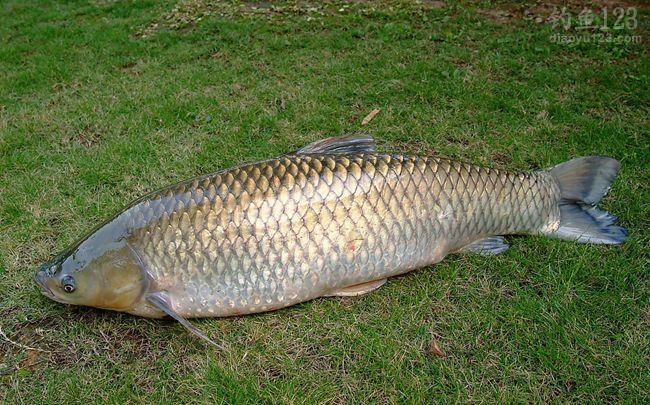
Think about it: Grass carp? They’re all about mowing down aquatic plants, so their noses are tuned to green, plant-based scents. Bighead carp? They feast on plankton, so you need something that mimics tiny, algae-y vibes. And mud carp? They’re scavengers, so they love the smell of decaying plants or rotting matter. So, if you’re fishing for grass carp and you dump a “tilapia-specific” additive on your bait? You’re not just wasting money—you’re telling the fish, “This is *not* food.”
Pro tip: Keep a “fish preference cheat sheet” in your tackle box. If you’re targeting bass, stick to shad-like scents; for catfish, think earthy, meaty smells. If you’re not sure, ask your local bait shop—they’ve got the intel.
2. pH Matters: Acid, Base, and the Big “Boom” (That’s Bad)
Ever mixed two baits and watched them “clump up” or lose their scent? That’s the pH of the universe (well, your bait) getting messed up. Additives have pH levels—some are acidic, some are alkaline, and if you mix them, they might neutralize each other. For example, if you add a super-acidic “stimulant” to a basic “fishy” bait, you’re basically making a chemical reaction that turns both into something useless.
An old pro once told me: “To catch big fish, add a splash of lemon juice to your bait”—but wait, is that true? It depends on the fish and the environment. In any case, pH testing is your friend. I keep a tiny pH meter in my vest (it’s cheaper than you think!)—no more guessing. If your water is super alkaline, use acidic additives; if it’s neutral, stick to neutral ones. And if you’re not sure, start with a tiny drop—you can always add more, but you can’t take it out!
3. The “More Is Better” Trap: Less Is Often More
Ah, the most common additive mistake: Overdoing it. It’s like putting salt in a soup because you “want extra flavor”—except here, too much salt (additive) makes the soup inedible. Additives have a “concentration curve”: up to a point, more is better; after that, it’s worse. Like, if you add 10 drops of an attractant and it works, 20 drops might make the fish gag. 5 drops? Nothing happens. So the sweet spot is… somewhere between 5 and 10. But how do you find it?
Here’s my hack: Start with 1 drop. Let the fish tell you. If nothing bites in 30 minutes, add 1 more. If you start getting bites but they’re small, maybe 1 drop is enough. If you’re catching every fish but they’re small, maybe the ratio is off. This is why “trial and error” is your best teacher. I’ve spent whole afternoons just testing additive concentrations—worth it, though, because now I know my “sweet spot” for bass vs. trout vs. tilapia.
Stop Believing the Hype: Real Fishing vs. Marketing Hype
Let’s cut through the noise: Fishing forums, YouTube ads, and tackle shop owners love to sell you “magic additives” that claim to “guarantee 100 fish a day.” Spoiler: They’re lying. Here’s why:
1. Additives Are Specific, Not Universal
Think of additives like a chef’s spices. A red pepper flake works for Italian pasta, but would you dump it on sushi? No, you’d use wasabi. Similarly, a “super additive” for carp might be useless for bass. And even if it worked for carp, if the water is cold vs. warm, it might not. So “universal” additives are a myth. Your bait needs to match the fish, the time of year, and the water conditions.
Once, I saw a guy at a tournament spend $50 on a “miracle additive” he bought online. He used it everywhere—lake, river, tournament—and then… caught nothing. Why? Because he didn’t check the pH, the fish species, or the time of day. Moral of the story: Research, adapt, and don’t pay for hype.
2. The “Secret Potion” Is Just… Not a Thing
You’ve seen the videos: “I bought this for $200 and caught 50 fish in 2 hours!” Then you buy it, and you’re catching 2. Why? Because those guys have spent years learning the fish’s behavior, water conditions, and how to tweak the additive. It’s not the additive—it’s *their* knowledge. So stop chasing “that one magic bottle” and start building your own knowledge. You’ll get better at detecting fish preferences, water changes, and when to adjust your bait.
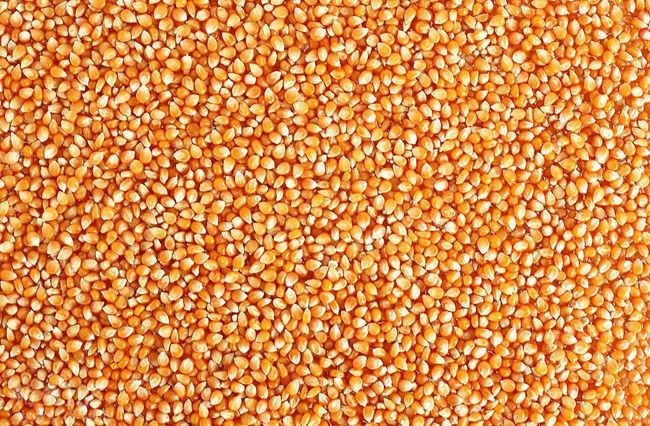
Fishing is like yoga: It’s not about the “magic pose” (the additive), it’s about the breath (your approach) and the environment (fish behavior). So relax, don’t stress, and enjoy the process. The best catch I’ve had wasn’t with an expensive additive—it was with a simple mixture of cornmeal, garlic, and a dash of vanilla. No magic, just a bit of trial and error.
So, to wrap up: Fishing additives are powerful tools, but they’re not the answer. The real magic is in understanding fish, respecting their environment, and being patient. The next time you’re at the tackle shop, ask yourself: “Do I really need this ‘secret sauce’?” If the answer is no, save your money. If yes, start small, test, and trust the process. Happy fishing, and may your next catch be bigger than your last!