Why Your Bait’s Color, Scent, and Taste Matter (Spoiler: Fish Aren’t Just Guessing)
Let’s cut to the chase: If you’ve ever sat by the water for hours, watching your float bob aimlessly while the guy next to you reels in fish left and right, you know the pain. Chances are, his bait isn’t just “lucky”-it’s hitting all the right notes for fish’s senses. Fish don’t use smartphones to find food, right? They rely on smell, sight, taste, and touch to track down their next meal. So, if your bait isn’t speaking their sensory language, you’re basically invisible to them. Today, we’re breaking down the golden rules of bait making: color, scent, taste, and more. By the end, you’ll know how to mix bait that fish can’t resist-no fancy gear required.
The Science of Fish Feeding: What You Need to Know First
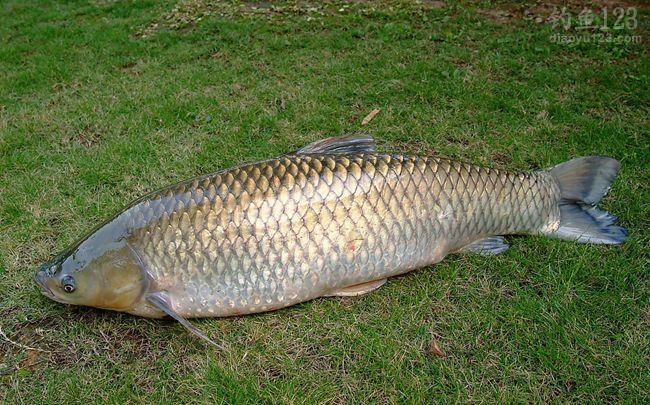
Before we dive into bait recipes, let’s get one thing straight: Fish aren’t humans. They don’t care if your bait looks “pretty” to you-they care if it triggers their natural feeding instincts. Most freshwater fish (think bass, carp, or trout) use four key senses to find food:
- Smell: Their noses are superpowered. They can detect scents in water from miles away (okay, maybe not miles, but way farther than you think).
- Sight: They’re not great at seeing details, but they spot bright colors and moving objects like pros-especially in clear water.
- Taste: Their lips, fins, and even skin have taste buds. If your bait tastes off, they’ll spit it out faster than you can say “fish on!”
- Touch: They feel vibrations and textures. A squishy worm feels way more appealing than a hard plastic lump.
So, your bait needs to check all these boxes. Let’s start with the first one: color.
Rule 1: Nail the Color (Fish Are Visual Creatures-Who Knew?)
You might think fish don’t care about color, but you’d be wrong. Freshwater fish like bass and carp can see colors, especially in clear water where visibility is good (we’re talking 5–15 meters!). The trick is to match the color to what the fish are already eating. Let’s break down the best colors for common scenarios:
Clear Water: Go Natural
In clear water, fish can see everything. So, your bait should look like the real deal. Think earthy tones: green (like algae or grass), brown (like worms or insects), or white (like small fish or shrimp). For example, if you’re fishing for carp, a brown dough bait that looks like a bug larva will work way better than a neon pink one. Why? Because carp are used to eating bugs and plants-neon pink isn’t on their menu.
Murky Water: Go Bright
If the water is murky (thanks, rain!), fish can’t see as far. That’s when you need to go bold. Bright colors like red, orange, or chartreuse stand out in dirty water. Here’s a pro tip: I once fished in a lake that was so murky I could barely see my hand in front of my face. I switched from a brown worm to a bright red one, and bam-three bass in 20 minutes! The red color cut through the murk and grabbed their attention.
Low Light: Glow-in-the-Dark (Yes, Really)
Early morning or late evening? Fish rely more on sight than smell when light is low. Glow-in-the-dark bait (or bait you’ve charged with a flashlight) is a game-changer. I keep a small UV light in my tackle box to charge my glow bait before casting-works like a charm when the sun’s going down.
Rule 2: Scent Is King (Fish Can Smell Your Bait Before They See It)
Here’s a fun fact: A fish’s sense of smell is 1,000 times stronger than a human’s. So, if your bait doesn’t smell good to them, they won’t even bother swimming over. Let’s talk about the best scents to use:
Natural Scents: Keep It Simple
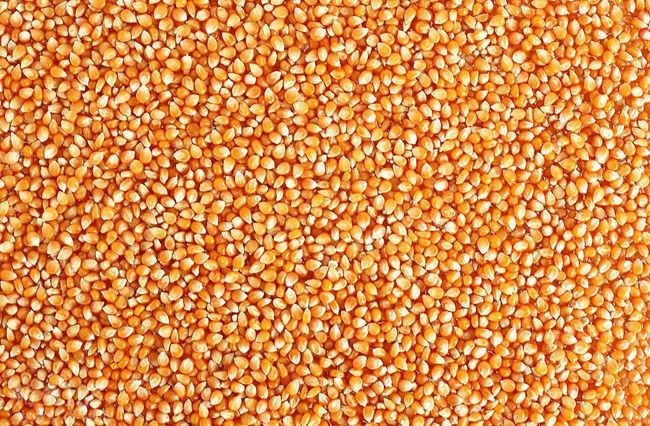
Most fish are omnivores, which means they love plant-based scents. Think about it-they eat grass, seeds, and algae all day. So, scents like roasted corn, wheat germ, or vanilla (yes, vanilla!) work wonders. I learned this the hard way: A few years ago, I tried using unroasted cornmeal for my carp bait. I sat there for 3 hours without a bite. Then, I roasted the cornmeal over a campfire (just until it smelled nutty) and mixed it into my dough. Within 10 minutes, I had a carp on the line! The roasted scent was way more appealing than the plain stuff.
Artificial Scents: Don’t Be Afraid to Spice It Up
Natural scents are great, but sometimes you need a little extra oomph. That’s where artificial scents come in. Things like fruit extracts (strawberry, banana), garlic oil, or even “fish attractant” sprays you can buy at the store. I once used a strawberry extract on my worm bait when fishing for trout-let’s just say I caught more trout that day than I could carry. The sweet scent drifted through the water and lured them in.
Pro Tip: Avoid Strong Human Scents
Before you handle your bait, wash your hands! Fish can smell soap, lotion, or even the pizza you ate for lunch. If your bait smells like you, they’ll swim the other way. Trust me-I made this mistake once (forgot to wash my hands after using hand sanitizer) and got zero bites. Lesson learned.
Rule 3: Taste = Second Chance (Don’t Let Fish Spit Out Your Bait)
So, your bait looks good and smells good-great! But if it tastes bad, fish will spit it out before you set the hook. Here’s how to make sure your bait tastes like a five-star meal to fish:
Sweet vs. Savory: Know Your Fish
Different fish like different tastes. Carp love sweet things (try adding a little honey or molasses to your dough bait). Bass and catfish love savory, meaty tastes (garlic, cheese, or even a little tuna juice). I once mixed cheese into my catfish bait-let’s just say the catfish went crazy. The salty, creamy taste was exactly what they wanted.
Add Some “Umami” (Yes, Fish Love It Too)
Umami is that “savory” taste you get from meat or mushrooms. For fish, umami means “this is food!” You can add umami to your bait with things like soy sauce (in small amounts-too much salt is bad) or dried shrimp powder. I add a pinch of shrimp powder to my bass bait every time-it makes a huge difference.
Rule 4: Shape Matters (Fish Judge Bait by Its Cover)
You might not think shape is important, but fish do. If your bait looks like something they’re used to eating, they’ll bite it faster. Let’s talk about shape tips:
Mimic Natural Prey
If you’re using dough bait for carp, shape it like a small bug or worm. If you’re using lures for bass, get ones that look like small fish (minnows are a classic). I once shaped my carp bait into tiny balls (like bug larvae) and caught three carp in an hour. When I used big, lumpy balls? Nothing.
Consistency Is Key
Here’s a trick I learned from an old angler: If you’re using dough bait, mix in some small pieces of sweet potato. Then, use the same sweet potato pieces on your hook. Why? Because the dough bait and hook bait look the same-fish don’t get suspicious. I tried this last summer and caught twice as many carp as usual. The fish thought the hook bait was just part of the dough, so they bit without hesitation.
Rule 5: Freshness = Success (Fish Hate Stale Bait)
Would you eat a week-old sandwich? Probably not. Fish feel the same way about stale bait. Fresh bait smells and tastes better, so it lures more fish. Here’s how to keep your bait fresh:
Use Fresh Ingredients
If you’re making dough bait, use fresh flour, cornmeal, and veggies. Avoid using ingredients that are moldy or expired. I once used old cornmeal (it was a year past the expiration date) and got zero bites. When I switched to fresh cornmeal? Instant success.
Keep It Cool
In hot weather, bait can go bad fast. Keep your bait in a cooler with ice packs to keep it fresh. If you’re using live bait (like worms or minnows), keep them in a ventilated container with damp soil or water. I once forgot to keep my worms cool on a hot day-they died, and I didn’t catch anything. Now, I always bring a small cooler for my live bait.
Rule 6: Live Bait = Instant Attraction (For Predator Fish)
Predator fish like bass, pike, or catfish love live bait. Why? Because live bait moves-fish can’t resist chasing something that’s alive. Here are my go-to live baits:
Worms: The Classic
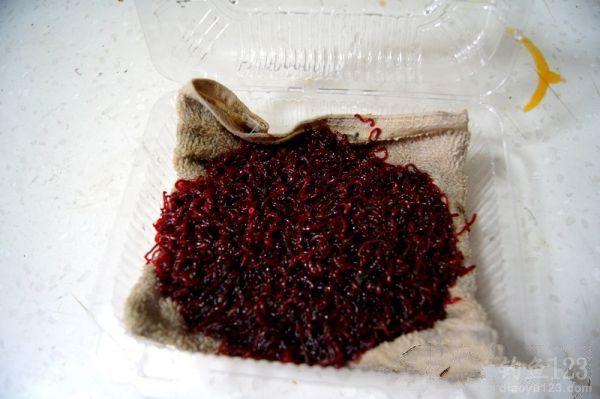
Worms work for almost every fish. Just hook them through the body (don’t kill them-you want them to wiggle). The movement will attract fish from far away. I once used a wiggling worm to catch a 5-pound bass-best day ever.
Minnows: For Predator Fish
Minnows are perfect for bass or pike. Hook them through the lip so they can swim around. The way they dart through the water drives predator fish crazy. I once used a minnow to catch a 7-pound pike-let’s just say I was pretty proud.
Pro Tip: Don’t Overdo It with Live Bait
Live bait is great, but it can be expensive. If you’re on a budget, try using artificial lures that look like live bait. They work almost as well and are cheaper in the long run.
Rule 7: Go “Premium” (Sometimes Less Is More)
You might think “more bait = more fish,” but that’s not always true. Let’s talk about why premium bait works better:
Quality Over Quantity
Cheap, bulk bait (like 3kg of plain cornmeal) might seem like a good deal, but it’s not. Fish will eat the bulk bait and get full-then they won’t bite your hook. Premium bait (like the 100g “Japanese powder bait” everyone talks about) is more concentrated. It lures fish in, but they can’t eat enough of it to get full. So, they’ll bite your hook every time. I tried this last year: I used 3kg of plain cornmeal one day (caught 1 fish) and 100g of premium powder bait the next (caught 8 fish). The difference was night and day.
What’s in Premium Bait?
Premium bait has a mix of scents, tastes, and colors that fish love. It’s also processed to be the right texture-soft enough for fish to bite, but hard enough to stay on the hook. You don’t have to buy expensive bait, though-you can make your own premium bait at home. Just mix high-quality ingredients (roasted cornmeal, honey, garlic oil) and keep it small.
Putting It All Together: My Go-To Bait Recipe (Works for Carp and Bass)
Now that you know all the rules, let’s make a bait that checks every box. This recipe works for both carp and bass-adjust the scents/tastes to fit the fish you’re targeting.
Ingredients:
- 1 cup roasted cornmeal (roast over low heat until nutty)
- ½ cup wheat germ (adds texture)
- 2 tbsp honey (sweet for carp)
- 1 tbsp garlic oil (savory for bass)
- 1 tsp shrimp powder (umami boost)
- 1 small sweet potato (boiled and mashed)
- Water (to mix)
Instructions:
- Mix the roasted cornmeal, wheat germ, shrimp powder, honey, and garlic oil in a bowl.
- Add the mashed sweet potato and mix well.
- Slowly add water until the mixture forms a dough (not too sticky).
- Shape the dough into small balls (about the size of a marble) or worms.
- For the hook bait: Cut small pieces of the boiled sweet potato (the same as the one in the dough) and hook them.
Why This Works:
- Color: The sweet potato and cornmeal give it a natural brown color (perfect for clear water).
- Scent: Roasted corn, honey, and garlic oil smell amazing to fish.
- Taste: Sweet honey + savory garlic + umami shrimp = fish heaven.
- Shape: Small balls mimic bug larvae.
- Freshness: Use fresh ingredients, and it’ll stay good for a few days.
Final Thoughts: Bait Making Is a Game of Trial and Error
At the end of the day, no bait works 100% of the time. Fish are finicky-what works today might not work tomorrow. But if you follow these rules (color, scent, taste, shape, freshness, premium quality), you’ll catch more fish than ever before. I’ve been using these tips for years, and they’ve never let me down. So, grab your ingredients, mix up some bait, and hit the water. You’ll be reeling in fish in no time.
Oh, and one last thing: Don’t forget to have fun! Fishing is about more than just catching fish-it’s about being outside and enjoying the moment. But let’s be real… catching fish makes it way more fun. Happy fishing!