Beginner’s Guide to Carp Fishing: My 6-Month Journey & Pro Tips for Newbies
Okay, let’s be real—jumping into fishing as a total newbie was wild. I started in October 2024, and here I am six months later, not face-planting into the lake every time I cast (win!). Back then? I couldn’t even adjust a float without turning my rod into a tangled mess. Now? I’ve got a tiny toolkit of tricks, a wallet that’s a little lighter (thanks, gear), and a weirdly calm obsession. Let’s spill the tea on carp fishing for beginners—no fancy jargon, just my messy, real experience.

First Things First: Why Carp Fishing? (Spoiler: It’s Addictive)
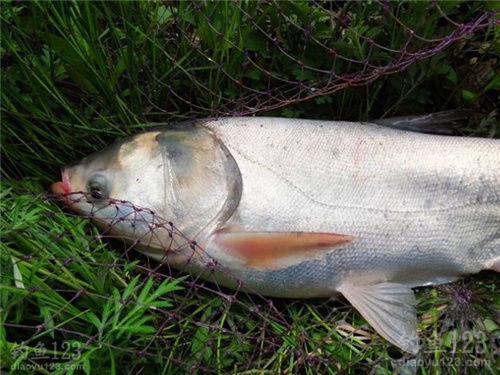
Carp fight hard, they’re everywhere (lakes, ponds, even some rivers), and catching one feels like a tiny victory. As a newbie, that’s everything—you don’t want to spend 8 hours staring at a float with nothing happening. Carp give you action, which keeps you coming back. Plus, they’re not too fussy… until they are (more on that later).
Let’s Talk Carp Fishing Tips—The Stuff I Actually Used
1. Float Adjustment (No More “Why Is This Thing Sideways?”)
Float setup was my first nemesis. I thought “tune it high” meant cranking it to the moon, but nope—there’s a method to the madness. Here’s what worked for me:
- Daytime Floats (Heavy Baits): If you’re using store-bought dough baits (they’re dense!), go for a high-low setup. I did 9-10 eyelets (the little marks on the float) when it’s empty, then 2-4 eyelets when the bait’s on. Why? Heavy bait sinks fast, so this keeps your hook just off the bottom—carp love munching there.
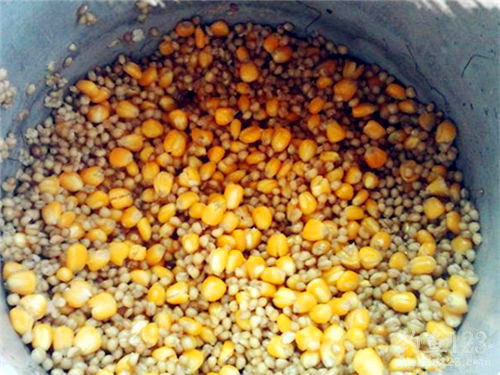
- Daytime Floats (Light Baits): If you’re using corn (super light!), set the float level with the water first, then fish at 2-3 eyelets. Corn floats a bit, so this keeps it in the carp’s strike zone.
- Night Fishing Floats: Game-changer here. Halfway down the water (no sinker!), put bait on the bottom hook, set to 1 eyelet. Then add bait to both hooks and set to 2-3 eyelets. This bends your lines a little—carp nibble, and the float moves way more obviously. I caught my first 3lb carp at night with this trick—chef’s kiss.
2. Bait & Mixing: Don’t Overcomplicate It (But Don’t Skimp)
I wasted so much money on random baits at first. Here’s what actually attracts carp:
- Top Baits: Pellet Waggler (wait, no—wait, my bad, the ones I used were Perlaido Carp Cannon, Yellow Duck, Yellow Dough Bubbles. Yeah, those. They smell like something carp can’t resist.
- Strategy: “Loud Attract, Soft Catch” is the rule. For new carp (they’re greedy!), use hard dough + loose bait (I called it “confetti bait” at first). For old carp (they’ve seen it all—called “return fish”), use soft, sticky dough. They’re scared of weird stuff, so soft dough means they don’t feel the hook right away.
Pro tip: Mixing dough is a workout. Don’t overmix it—you want it soft but not mushy. I once mixed for 10 minutes and ended up with a blob that fell off the hook mid-cast. Oops.
3. Rods: Start Cheap (You’ll Break One Anyway)
Newbies don’t need a $500 rod. Trust me— I bought a $100 5H 4.5m rod first, and it’s still going strong. Later, I added a 5.4m rod (for deeper water). Why 5H? It’s stiff enough to pull in carp but not so stiff you break the line. I’ve seen friends buy 8H rods and snap their lines on 10lb carp. No thanks.
4. Hooks, Lines, Floats: Match Them (Or Cry)
This is where I messed up the most. Here’s the cheat sheet:
- Lines: Main line + leader. For 1-5lb carp, 2lb main + 1.5lb leader works. If you’re clumsy (hi, me), go 2lb + 1.2lb—less likely to snap when you yank too hard.
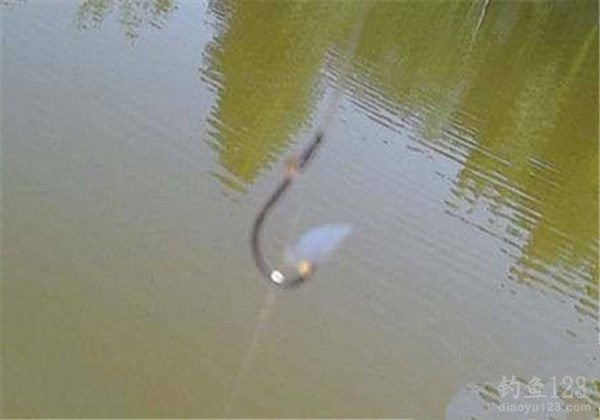
- Hooks: Size 2 New Shank, 8 Wolf Sport, or 7 Iseni. Black pit hooks (no barbs!) are better—they don’t hurt the fish, and you can release them easier. I once used barbed hooks and spent 10 minutes getting one out of a carp’s mouth. Never again.
- Floats: 1.5-2.5g is perfect. Formula: Leader line size + 0.5 = float weight. So 1.5lb leader = 2.0g float. Magic—no more floating away or sinking too fast.
5. Catching the Bite: Stop Waiting for the Big Splash!
My biggest mistake? Waiting for the float to go completely under (called a “black out”). That’s when the carp already spit the hook. Here’s what to hit:
- Hard Nibble: The float drops fast—hit that immediately. No hesitation.
- Mid-Fall Bite: The float is falling, then suddenly speeds up. That’s a carp grabbing it mid-sink—hit it right away.
- Float Rise: The float pops up a lot (called a “top out”). Wait till it stops rising, then hit it slow. Carp are playing with the bait here.
Rule: Ignore tiny wiggles. Hit the big moves. I once hit a tiny wiggle and caught a minnow. Embarrassing, but lesson learned.
6. Gear You Actually Need (Skip the Fancy Junk)
You don’t need a $1000 tackle box. Start with:
- Fishing chair (your butt will thank you—8 hours of standing is torture).
- Rod holder (so you don’t have to hold it the whole time).
- Bait tray (keep your dough clean).
- Mixing bowl (obvi).
- Towel (wet hands + dough = disaster).
- Fish net (don’t try to pull a carp in by hand—you’ll lose it).
- Fish bag (keep your catch alive if you’re keeping it).
Skip the fancy gadgets at first. I bought a “fish finder” that broke in 2 weeks. Waste of money.
7. Next Level: Tie Your Own Lines (Save Cash)
Once you’re comfortable, learn to tie your own main lines and leaders. Store-bought lines are expensive, and tying your own is easy (YouTube tutorials are your BFF). I save $20-$30 a month now. Win-win.
Final Thought: Fishing Is Messy, But Worth It
Look, I still mess up. Last week, I forgot my net and lost a 20lb carp. I’ve spent $200 on gear that’s now collecting dust. But here’s the thing: fishing calms me down. When I’m staring at the float, I’m not thinking about work or bills—just the water and the wait. It’s weird, but it’s my thing now.
If you’re a newbie, don’t overthink it. Buy cheap gear, watch a few videos, and just go. You’ll mess up, you’ll spend money, but you’ll catch a carp eventually. And when you do? That feeling? Worth every penny. What’s your worst fishing fail? Drop it in the comments—I need to feel less alone.