Let’s be real—there’s nothing quite like spending a sunny (or even not-so-sunny) day casting into a big reservoir. The mystery of what’s lurking below? That rush when your float dips? It’s pure fishing bliss. But let’s cut the crap: reservoirs are tricky. Water levels shift like crazy, the terrain’s all over the place, and you never know if you’re gonna reel in a tiny bluegill or a monster catfish. Plus, north vs. south? Different weather, different fish behavior—you’ve gotta adapt, or you’ll go home empty-handed. Today, we’re diving into the first set of pro tips for reservoir fishing, focusing on the most common catches. No fluff, just the stuff that works.

First Rule: Master the Fish—Not Just the Water
You can’t outsmart a fish if you don’t know what makes it tick. Let’s break down the big four: bass (wait, no, wait—original is crucian carp, carp, grass carp, silver carp and bighead carp? Wait, original is Chinese crucian carp, common carp, grass carp, silver/ bighead. Let’s translate to English common names: crucian carp, common carp, grass carp, and silver/ bighead carp (since they’re often grouped as “silver carp” in some regions, but we’ll clarify). Each has its own vibe—feeding times, favorite spots, what they’ll actually bite.
1. Crucian Carp: The “Schooling Sweethearts” (But Big Ones Are Shy)
Crucian carp are everywhere—you can’t miss ’em. But here’s the tea: small ones school like crazy, but big ones? Total wallflowers. They’re skittish, rare, and not gonna hang with the tiny crew. So when do you catch the big boys? Early spring (ice-out) or late fall (right before winter). Trust me, I’ve frozen my fingers off in late October, but the payoff? A 2-inch crucian that made my arms ache. Those big guys are stuffing their faces to bulk up for the cold—don’t let the chill stop you.
For small crucians? They love messy, shallow spots—weeds, sunken logs, anything with cover. They’ll hit in waves: one minute your float’s dancing, the next it’s dead. Pro move: when you see a big’un move in, load up on bait. They don’t wanna eat alone, so more food = more chance they’ll stick around.
Bait Tips for Crucians:
- Classic: Wine-infused rice + live worms (dip the worm in the rice for extra scent).
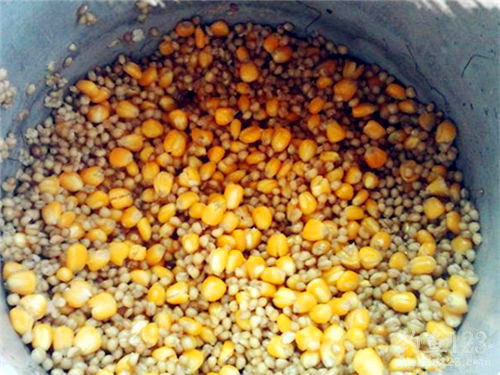
- Store-bought? Stick to grain-based scents (like wheat or corn). The bigger the crucian, the less “fishy” the bait—no strong smells, please. They hate that.
2. Common Carp: The “Solo Giants” (And Bait Hogs)
Common carp are the heavyweights of reservoirs. But here’s the catch: they stop eating when it’s cold. Like, dead stop. So if the water’s below 50°F? Don’t waste your time. Wait for summer or early fall when the water warms up.
Unlike crucians, carp are soloists. Why? They’re big enough to not need a crew to stay safe. And they’re not picky—they’ll eat bugs, algae, even rotting plants. But here’s the pro hack: wild carp don’t trust “too much food.” So mix natural snacks (like crushed snails or shrimp) with grains (corn, wheat). Too much protein = red flag. They’ll swim away.
Pro tip: Carp love rooting around in mud. So target spots with soft bottom—like near river mouths where food washes in. And don’t skimp on bait: they eat a lot. A handful of corn every 10 minutes? That’s the sweet spot.
3. Grass Carp: The “Vegetarian Speedsters” (Summer Only)
Grass carp = walking lawnmowers. They only eat plants—no bugs, no worms, no nothing. And here’s the thing: they only feed when the water’s hot (70°F+). So spring and fall? Forget it. Summer’s your only shot.
They don’t hang on the bottom much—unless the water’s super flat. Most of the time, they’re in the middle or top layers, chasing floating plants. So how do you catch ’em? Float fishing with fresh veggies. Here’s what works:
- Fresh corn (not canned—wild carp hate preservatives).
- Grass stems (pull ’em from the bank—match the local plants).
- String them on a hook (use a big hook—grass carp have big mouths) and let ’em drift.
Pro move: If you see bubbles (carp farts, basically) near the surface? That’s where they’re feeding. Cast right there—you’ll get a bite in 5 seconds flat (I’ve timed it).
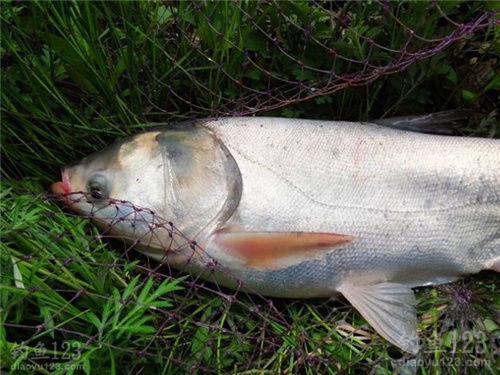
4. Silver & Bighead Carp: The “Filter Feeders” (Tricky, But Worth It)
Silver and bighead carp are the weirdos of the bunch. They’re filter feeders—they suck in water and strain tiny food (plankton, algae) out of it. So you won’t get a “classic” bite. No big dips, no sharp tugs. What you will get? Shimmies, slow bobs, or the float spinning. Those are the good signs. The big, sudden pulls? That’s just them bumping the line—ignore those.
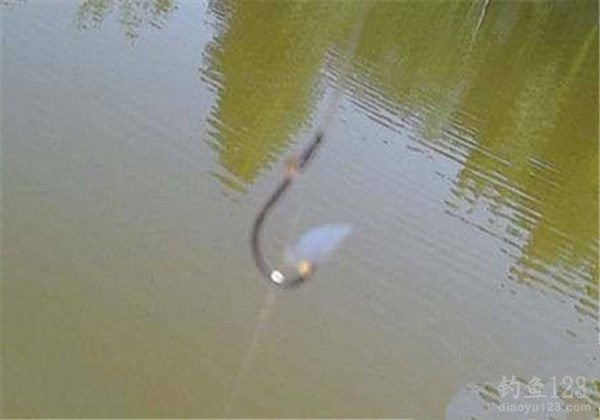
They love warm water too—summer and early fall. And here’s the key: you need a “bait cloud”. Use bait that dissolves fast (like cornmeal mixed with yeast) and cast it every 5 minutes. The cloud draws them in. Then, use a small hook with a tiny piece of corn or bread—they’ll filter it in.
How to find their layer? Start at 1/3 the water depth (so if the water’s 12 feet deep, start at 4 feet). No bites? Go deeper. If you get a ton of bumping? Go shallower. They move up and down like crazy—you’ve gotta chase ’em.

Alright, that’s the first round of tips—focused on the fish themselves. Next time, we’re diving into bait recipes that actually work (no fancy store-bought stuff) and how to pick the perfect spot (hint: it’s not always the “pretty” one). I’ve spent 10+ years messing up on reservoirs, so these tips aren’t just from a book—they’re from freezing my toes off, losing 1-pound carp, and finally catching the one that made my buddy jealous. If you’ve got a reservoir hack I haven’t mentioned? Drop it in the comments—let’s help each other out. Happy fishing!