Mid-Autumn Fishing Tips: Tackle, Baits, Spots & Techniques for a Successful Catch
Let’s be real—fishing in mid-autumn is *not* the same as spring. The water’s cooling down, but the fish? Oh man, they’re eating like there’s no tomorrow to bulk up for winter. I’ve spent way too many weekends chasing these fall hogs, and let me tell you, messing up your tackle, bait, or spot can turn a great day into a total bust. So today, I’m spilling all my go-to tips for mid-autumn fishing—no fluff, just what actually works when the leaves start turning.
1. Tackle Setup: Go Heavy, Go Strong (These Fish Fight Hard!)
First off, forget your dainty spring rods. Mid-autumn fish are *thick*—they’ve been feeding all summer, so their bodies are packed with muscle. And they’re hungry. Like, “I’ll eat a whole worm in one bite” hungry. That means when they bite, they fight. Hard. I’ve had a 3-inch carp snap a 6-pound test line before—total heartbreak. So here’s what you need:
- Rod: Sturdy, medium-heavy to heavy action. I use a 7-foot baitcaster for most freshwater—enough backbone to haul in big bass or catfish, but still sensitive enough to feel a bite.
- Line: Diameter matters. Spring 4-pound test? No way. Go for 10–15 pound test monofilament (or braid if you’re targeting monster catfish). Braid’s stronger, but mono’s cheaper and easier to handle for most anglers.
- Hook: Big enough to not bend when a fish yanks. For panfish, size 6–8; for bass/carp, size 2–4. I always keep a pack of octopus hooks—they’re sharp and hold well.
Pro tip: Don’t skimp on the reel. A cheap reel will seize up mid-fight, and you’ll lose that trophy fish. Spend $5–$75 on a reliable spinning or baitcasting reel—your future self will thank you.
2. Bait Recipes: Versatile, Durable, and Fish-Approved
Mid-autumn fish aren’t picky eaters, but they want *volume*. They’re stocking up, so small, wimpy baits won’t cut it. And forget those fancy soft plastics that dissolve in 5 minutes—you need baits that stay on the hook and don’t fall apart when you cast. Here’s what works for me:
2.1 Homemade Baits (Cheap & Effective)
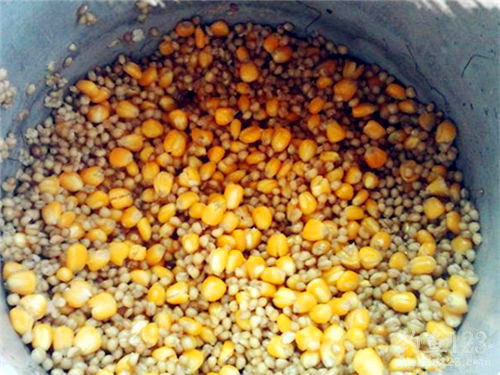
- Rice Ball: Cook white rice, mix with a little honey and garlic powder (fish *love* garlic). Roll into 1-inch balls—perfect for carp or catfish. They sink slow, so fish have time to find ’em.
- Flour Dough: Mix all-purpose flour, cornmeal, and a splash of vanilla extract. Knead until it’s like playdough—great for panfish or bass. Add a pinch of salt to make it last longer.
2.2 Live Baits (Can’t Beat the Real Thing)
Live baits are *killer* in mid-autumn. Fish are used to eating natural stuff, so these are a home run:
- Red Worms: The OG. Thread ’em on a hook (leave a little tail hanging—wiggles = more bites). Works for *everything*: bass, catfish, panfish, even trout.
- Crawfish/Minnows: For big bass or walleye. Hook a minnow through the lips (so it swims naturally) or a crawfish under the tail. Game changer if you’re targeting predators.
- Insects: Crickets, grasshoppers, or beetles—perfect for panfish or small bass. Just hook ’em through the thorax and cast.
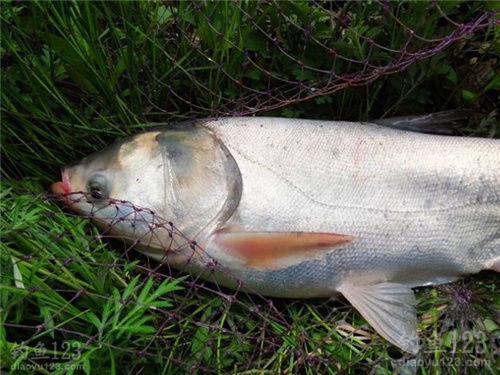
Hot take: Don’t waste money on expensive “specialty” baits. The fish don’t care if it’s $5 or $50—they care if it’s big, smells good, and stays on the hook. I’ve caught more 20-pound carp on rice balls than I have on fancy boilies.
3. Best Fishing Spots: Where the Fish Are Hiding This Fall
Mid-autumn water temps are stable (not too hot, not too cold), so fish are spread out—but there are *hot spots* that are way better than others. I’ve wasted hours fishing random spots, so let me save you the trouble. Here’s where to cast:
3.1 Quiet, Undisturbed Water
Fish get spooked *easy*. If a spot has a lot of foot traffic (like a popular park lake), the fish will be skittish. Look for hidden coves, backwaters, or areas behind trees—places where people don’t usually fish. I found a spot last year behind a old barn, and caught 12 bass in 2 hours. No joke.
3.2 Weed Beds (Fish Love ’Em)
Weeds = food. Weeds grow bugs, small fish, and plankton—so big fish hang out there to eat. But be careful: weeds can snag your line. Use a weedless hook (or a Texas rig for soft plastics) to avoid getting stuck. Last month, I caught a 3-pound bass in a weed bed that was so thick, I could barely see the water. Game. Changer.
3.3 Deep-Shallow Transition Zones
Fish love these spots because they can hide in deep water if a predator comes, but come up to shallow water to eat. Look for drop-offs (where the water goes from 3 feet to 8 feet fast) or the edge of a creek channel. I’ve caught catfish, bass, and carp here—all in the same day. Pro tip: Cast right at the edge, not too deep, not too shallow.
3.4 Old Fishing Holes
Fish have “routines”—if they found food in a spot last week, they’ll come back. Look for old holes (you can tell by the worn-down bank or old fishing line tangled in trees). I’ve used the same old hole for 3 years, and every mid-autumn, I catch at least 5 big carp there. It’s like the fish have a calendar or something.
Other spots to try: Downwind sides of lakes (wind pushes food there), boat docks (fish hide under ’em), and areas with rocks (rocks hold heat, so fish warm up there). Oh, and don’t cast too far! Mid-autumn fish are usually within 10–15 feet of the bank—no need to throw your line to the middle of the lake.
4. Fishing Techniques: Tricks to Outsmart Mid-Autumn Fish
Okay, you’ve got the right tackle, the right bait, and the right spot—but if your technique is bad, you’ll still go home empty-handed. Trust me, I’ve been there. Here’s what works:
4.1 Rotate Multiple Spots (Don’t Stagnate!)
Fish get bored. If you sit in one spot for an hour and don’t get a bite, move. I usually set up 3–4 spots (10–15 minutes apart) and rotate every 20 minutes. Last week, I rotated between a weed bed, a drop-off, and a old hole—and caught 8 fish total. It’s like the fish are waiting for you to come to *their* spot.
For carp (my favorite), you need to be patient. Carp are curious—they’ll nudge the bait a few times before eating. So don’t yank the rod when you feel a little tug. Wait for the float to go under (that’s the “black float” bite) then set the hook hard. I’ve missed so many carp bites because I was too eager.
4.2 Watch the Float Like a Hawk
Mid-autumn fish bite *hard*, so the float will move a lot. Here’s what to look for:
- Black Float: Float goes under and stays under—set the hook *now*.
- Swaying Float: Float moves side to side (fish is nudging the bait)—wait a second, then set the hook.
- Jumping Float: Float pops up a little (fish is picking up the bait)—set the hook fast.
When you catch a fish, *don’t* leave it in the spot. Pull it away from the hole—otherwise, you’ll scare all the other fish. For small fish, just pull ’em in quick. For big fish (like 10-pound catfish), use a net—don’t try to lift ’em by the line (you’ll break it).
4.3 Keep Quiet (Fish Have Super Ears)
You can’t yell, slam the car door, or even talk too loud. Fish can hear sounds through the water—even a loud laugh can scare ’em away. I always bring a quiet friend (or go alone) and keep my phone on silent. Last year, a guy next to me was blasting music, and he didn’t catch a single fish. I caught 5 in the same time. Coincidence? I think not.
My Mid-Autumn Fishing Fail (And What I Learned)
Let me tell you about the time I messed up *everything*. Last October, I used a light spring rod, small hooks, and cast to the middle of the lake. I sat there for 4 hours and didn’t get a single bite. Then I talked to an old guy at the bait shop, and he told me to switch to a heavy rod, big hooks, and fish the weed beds. I went back the next day, did exactly that, and caught 7 bass. Total facepalm. So don’t make my mistake—follow these tips!
Oh, and one last thing: mid-autumn fishing is *fun*. Even if you don’t catch a big fish, being outside when the leaves are red and orange is worth it. I bring a thermos of hot cocoa, and just enjoy the day. But let’s be real—catching a trophy fish makes it even better.
What’s your favorite mid-autumn fishing tip? Drop it in the comments below—I’m always looking for new tricks. And if you try these tips, tag me in your catch photos—I’d love to see ’em!