Fishing Addicts’ Essential Guide to Understanding Fishing Baits and Additives
Let’s be real—fishing has changed SO much since the good old days. I remember my grandpa talking about how he’d grab a single rod, a line, and a hook, and catch enough fish for the whole family without breaking a sweat. Now? It’s like we’re all walking into a tackle shop and thinking, “Wait, am I supposed to be a chemist or a fisherman?” Between the endless gear, the fancy rods, and don’t even get me started on the bait section—what used to be a simple worm or corn has turned into a lab experiment. And yeah, we’re talking about those “fishing additives” everyone’s obsessed with now. Let’s break it down, no fancy jargon (okay, maybe a little, but I’ll explain it).
From Simple Worms to “Fish Medicine”: How Bait Has Evolved
Back in the day, “bait” was straightforward. You dug up some worms from the garden, or grabbed a can of corn from the pantry, and you were good to go. No fancy labels, no “proprietary formulas”—just you and the fish. But now? Walk into any tackle shop, and you’ll see shelves upon shelves of little bottles, jars, and packets labeled things like “Super Attractant,” “Fish Magnet,” or my personal favorite: “Mega Bite Formula.” It’s like we’re treating fish like they’re patients in a hospital instead of… well, fish.
Let’s get one thing straight: those “additives” (or as some old-timers call them, “fish drugs”) aren’t new, but they’ve gotten way more complex. Back in the day, anglers stuck to natural stuff—think:
- Spices like cinnamon, star anise, or fennel (hello, kitchen cabinet vibes)
- Herbs like vanilla bean or mint
- Animal products like shrimp paste or fish meal (okay, that’s still gross, but natural)
- Even things like honey, vinegar, or good old-fashioned alcohol (yes, fish love a little buzz? Maybe?)
Now? It’s a whole different ball game. We’re talking:
- Synthetic amino acids (the building blocks of protein—fish go crazy for these)
- Liquid scents that smell like anything from “fresh shrimp” to “tropical paradise” (I swear, some of these smell like my mom’s perfume)
- Powdered additives that mix into your dough or pellets
- Even things like vitamins (because why not? Fish need their daily multivitamin too?)
So why do we use these things? Simple: fish are smart. They’ve learned to avoid “easy” bait, especially in pressured waters (like your local lake that’s packed with anglers every weekend). Anglers call this “fishy behavior” (okay, I made that up, but you get it)—when fish are finicky, won’t bite, or just swim around like they’re too cool for your worm. We see that as a “problem,” so we reach for the additives to “fix” it. It’s like giving the fish a little nudge: “Hey, this bait is GOOD—come eat it!”
What Are These “Fishing Additives” (And Why Are They Called “Small”)?
First off: let’s clear up the name. They’re called “small additives” (or “micro additives”) for two big reasons:
- You use SO little of them. We’re talking like 1-10 grams per 100 grams of bait. That’s like adding a pinch of salt to a pot of soup—too much, and it’s ruined. Too little, and you might as well not have added anything.
- They’re not “one-size-fits-all.” What works for your buddy at the top of the lake might be totally useless for you in the middle. Fish are weird—they have preferences, just like we do. Some days they love shrimp scent; other days, they turn their noses up at it like it’s expired tuna.
Here’s the thing: these additives are a double-edged sword. Use them right, and you’ll be reeling in fish left and right. Use them wrong? You’ll end up with a empty cooler and a bad case of “why won’t the fish bite?” Let’s break down the good and the bad:
The Good: When Additives Work Magic
Let’s say you’re fishing a lake that’s been pressured for months. Every angler in town has been using the same old corn and worms. The fish are like, “Ugh, not this again.” But you? You add a tiny bit of shrimp amino acid to your corn. Suddenly, the fish are like, “Wait, what’s this new thing? It smells GOOD!” And boom—you’re catching fish while everyone else is staring at their rods. That’s the magic of additives when you get them right.
Or another example: it’s a super hot day, and the fish are hanging out deep in the water, not moving. You add a little “attractant” that creates a scent trail in the water—like a breadcrumb trail for fish. Suddenly, they’re following that trail right to your bait. Game. Changer.
The Bad: When Additives Ruin Your Day
Now let’s talk about the time I messed up. Big time. I was fishing a tournament last year, and I thought, “More is better!” So I dumped like 20 grams of a “super attractant” into my 50-gram bait mix. Big mistake. The fish started going crazy—they were nibbling at the bait, but not biting. Or they’d bite, then spit it out immediately. Turns out, I overdid it. The scent was too strong, and it was actually turning the fish off. I ended up finishing dead last. Lesson learned: less is more with these things.
Another common mistake? Using the wrong additive for the wrong fish. If you’re fishing for bass (a freshwater fish that loves meat), using a “sweet corn” additive might not work. But if you’re fishing for carp (which love sweet stuff), that same additive could be gold. It’s all about matching the additive to the fish you’re targeting.
The 8 Types of Fishing Additives (And Which Ones You Actually Need)
Okay, so now you know what additives are and why they’re tricky. But what kinds are there? Let’s break down the 8 main types—no, you don’t need all of them. Trust me.
1. Powdered Additives
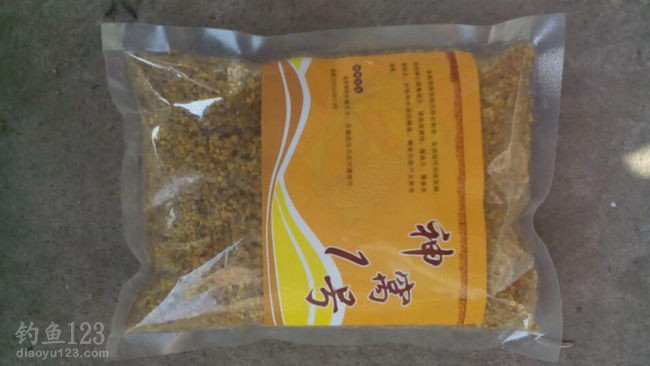
These are the most common ones. They come in little packets or jars, and you mix them into your dry bait (like dough, pellets, or groundbait). Think of them like seasoning for your bait. The best part? They’re easy to control—you can add a tiny bit at a time until you get the right “flavor” (or scent, really).
Pro tip: Don’t just dump the whole packet in. Start with 1 gram per 100 grams of bait, mix it up, and see how it smells. If it’s too strong, add more dry bait. If it’s too weak, add a little more powder. Slow and steady wins the race here.
2. Granular Additives
These are like little beads or pellets. You can either mix them into your bait or add them directly to your hook. They’re great because they release scent slowly over time—so your bait stays “attractive” for longer. Perfect for long fishing sessions (like when you’re camping and fishing all day).
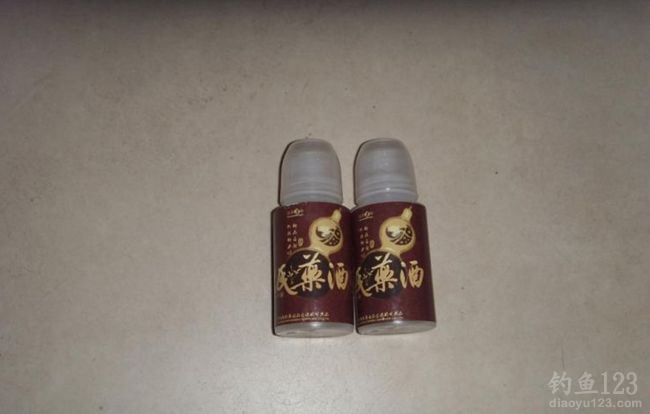
3. Liquid Additives
Ah, the “spray and pray” ones. These come in bottles, and you either spray them on your bait or dip your bait into them. They’re super fast-acting—great if you need to change things up quickly (like if the fish suddenly stop biting). But be careful: they can be easy to overuse. One spray is usually enough—any more, and you’ll end up with a mess (and no fish).
Weird fact: Some liquid additives are made from real animal parts—like shrimp or fish oil. Others are synthetic (man-made) scents. I’ve tried both, and honestly? The synthetic ones work just as well (and they don’t smell like rotten fish in my tackle box). Win-win.
4. Paste Additives
These are thick, like peanut butter. You can either spread them on your bait or use them as bait themselves (some anglers even make “paste balls” and use those). They’re great for holding onto your hook in rough water—because they’re thick, they don’t wash off easily. But they can be messy to work with (pro tip: wear gloves).
5. Gel Additives
Similar to paste, but even thicker. Think of them like hair gel for your bait. They’re super sticky, so they stay on your hook for hours—even in fast-moving water. I love these for river fishing, where the current is strong and regular bait washes off in 5 minutes. Just a tiny dab on your hook, and you’re good to go.
6. Spray Additives (Mist)
These are like the liquid additives, but in a spray bottle that makes a fine mist. They’re great for “dusting” your bait with scent without making it soggy. I use these when I’m fishing for trout—trout have super sensitive noses, and a light mist of scent is enough to get them interested. Too much, and they’ll swim away.
7. Alcohol-Based Additives (Tinctures)
These are additives mixed with alcohol (usually vodka or ethanol). They’re super concentrated, so you only need a drop or two. The alcohol helps the scent spread through the water quickly—perfect for when you need to attract fish from far away. But be careful: alcohol can be toxic to fish in large amounts, so never use more than a drop or two. I once used a whole dropper full, and the water around my bait turned cloudy. No fish came near it. Oops.
8. Compound Additives (Blends)
These are my least favorite (but some anglers swear by them). They’re mixes of multiple additives—like a “secret recipe” that the manufacturer says “works for all fish.” The problem? They’re usually way too complex, and you never know what’s in them. Plus, they’re expensive. I’d rather stick to simple, single-ingredient additives—so I know exactly what I’m putting in my bait.
How to Use Additives Without Messing Up (My Personal Tips)
Okay, so now you know the basics. But how do you actually use these things without ending up with a empty cooler? Let’s share my personal tips (from years of trial and error):
1. Start Small (Like, Tiny)
I can’t stress this enough. When you’re trying a new additive, start with way less than the recommended amount. Most manufacturers say “add 5 grams per 100 grams of bait”—but I usually start with 1 gram. Why? Because it’s easier to add more than it is to take away. If the fish aren’t biting after 30 minutes, add a little more. If they still aren’t biting, try a different additive. Patience is key here.
2. Match the Additive to the Fish
This is non-negotiable. Let’s break down the basics:
- Carp: Love sweet stuff—try honey, vanilla, or corn-based additives.
- Bass: Love meat—try shrimp, fish meal, or blood-based additives.
- Trout: Love fresh, natural scents—try garlic, anise, or worm-based additives.
- Cod: Love fishy stuff—try herring oil or squid-based additives.
Pro tip: Ask the locals! If you’re fishing a new lake, talk to the old-timers. They’ll tell you exactly what the fish in that lake love. No need to reinvent the wheel.
3. Test, Test, Test
I keep a little notebook in my tackle box where I write down everything: what additive I used, how much, what fish I caught, and what the weather was like. It sounds dorky, but it’s saved me so many times. Last month, I was fishing a lake where the fish only bit when I used 2 grams of a shrimp additive on a cloudy day. If I hadn’t written that down, I would have forgotten and missed out on a great catch.
4. Don’t Overcomplicate It
Here’s the truth: you don’t need 10 different additives. You just need 1-2 that work for the fish you’re targeting. I’ve seen anglers bring a whole bag of additives to the lake, and they end up spending more time mixing than fishing. Keep it simple. Stick to what works.
Final Thoughts: Additives Are a Tool, Not a Magic Wand
Let’s get real for a second. Additives aren’t going to turn you into a pro angler overnight. They’re just a tool—like a good rod or a sharp hook. The real secret to catching fish is knowing the water, knowing the fish, and being patient. Additives can help, but they can’t fix a bad day on the water.
Last summer, I went fishing with my buddy Jake. He brought every additive under the sun—like 15 different bottles. I brought one: a simple vanilla-based additive. We fished the same spot, same time, same bait. I caught 5 fish. He caught 2. Why? Because I used the right amount, and he overdid it. It’s not about how many additives you have—it’s about how you use them.
So next time you’re at the tackle shop, don’t get overwhelmed by all the fancy labels. Grab one simple additive that matches the fish you’re targeting, start small, and test it out. And if it doesn’t work? Try something else. That’s the fun of fishing—experimenting, learning, and (hopefully) catching fish.
Oh, and one last thing: don’t forget to clean your tackle box after using additives. Some of those liquid ones smell awful if they sit in your box for weeks. Trust me—your nose will thank you.