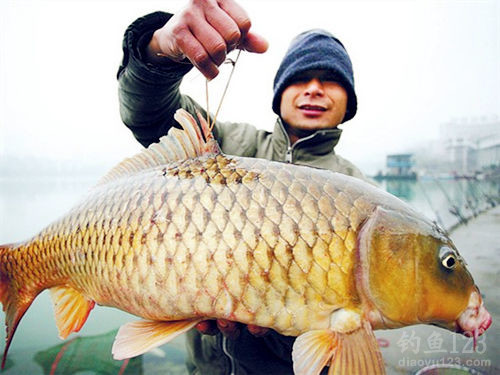
How to Use Worms and Insect Baits for Wild Crucian Carp Fishing
Let’s be real—if you’ve ever tried to catch crucian carp (those tricky little freshwater fish) in the wild, you know they’re not exactly predictable. One day they’ll go crazy for a fancy store-bought bait, the next they’ll snub it like it’s expired. But here’s the thing: worm and insect baits? They’re usually a safe bet… if you know how to use ’em right. I’ve spent way too many weekends chasing these guys, and I’ve got the blisters (and the fish stories) to prove it. Let’s break down everything you need to know.
First Off: Why Crucian Carp Are Such Fussy Eaters (Spoiler: It’s Not Just Genetics)
Crucian carp are the ultimate foodies—their diet changes with the weather, the lake, even the time of year. Let’s start with the basics: they’re omnivores, sure, but their preferences shift like crazy. Unlike, say, grass carp (which basically live for plants and the occasional grasshopper) or catfish (which will inhale anything that smells remotely fishy), crucians don’t play by the rules. Here’s why:
1. Temperature: The Big Switch (Cold = Worms, Hot = Veggies)
Okay, this one’s a no-brainer once you see it, but it took me months to figure out. When the water’s cold (think winter, early spring), crucians crave protein—like, need it. Their metabolism slows way down, so they can’t waste energy chasing tiny plants. That’s when worms, red maggots, or even small crickets become gold. But when the water’s warm (summer, late fall), they switch to lighter stuff: algae, plant seeds, even those weird fermented baits some guys swear by. I learned this the hard way last summer at Xiaolangdi Reservoir (don’t worry, I’ll name-drop specific spots later—us anglers love that).
2. Location: Some Lakes Just Love Worms, Others Don’t Care
Here’s the kicker: what works in one spot might flop in another. I’ve fished the Yellow River where crucians would practically jump for a fresh earthworm, but nearby lakes? They’d ignore it for a store-bought “crucian special” pellet. Why? Local habits. If a lake’s full of natural insects (like water beetles or mosquito larvae), the fish might be used to that. If it’s near a fish farm, they’ll go crazy for commercial feed. It’s like how a kid raised on fast food might turn up their nose at a home-cooked meal—just different habits.
3. The “Live Bait” Magic (Crucians Love a Wiggly Snack)
Let’s be honest: dead bait is boring. Crucians are suckers for movement. A worm that’s still wiggling on your hook? That’s like a neon sign saying “EAT ME!” Even better: when you cast, the worm’s movement in the water mimics natural prey. I’ve seen fish circle a still bait for minutes, but a wiggly worm? They’ll hit it in seconds. It’s their primal instinct—they can’t resist live food.
My Failed (and Successful) Summer Experiment at Xiaolangdi Reservoir
Okay, let’s get to the good stuff—my own mess-ups and wins. Last summer, I hit Xiaolangdi Reservoir (super popular for crucian fishing in China, but the lessons apply anywhere) with a bucket of fresh earthworms. I was feeling cocky—“Worms always work, right?” Wrong. For three hours, I sat there, reeling in an empty hook every time. Nada. Zilch. I even switched to a smaller hook, added a split shot—nothing. I was this close to packing up when a local angler laughed and said, “Buddy, it’s summer. Use Tangxi (a fermented bait) dipped in millet.”
Fine, I thought. I’ll try it. I ran to the nearest tackle shop, grabbed a jar of Tangxi (it smells like sour bread—gross, but fish love it), dipped a hook in it, then rolled it in millet. First cast? Bam. A silver crucian carp hit it before I even tightened the line. Over the next two hours, I caught silver, white, and even two rare red crucians (they’re like the unicorns of the reservoir). I was shocked—worms had failed, but this weird sour stuff worked? Turns out, the summer heat made the crucians switch to lighter, plant-based baits. Lesson learned: don’t be stubborn. Adapt.

Winter = Worm Bait Paradise (Here’s Why)
Now, let’s talk about the good times—winter fishing with worms. This is when worm baits dominate. Let me tell you why, from my own cold, frozen-finger experience:
1. Cold Water = Protein Craving
When the water’s below 10°C (50°F), crucians can’t digest plant stuff well. Their bodies need high-protein food to stay warm, grow eggs (if they’re female), and just survive. Worms, red maggots, and even small mealworms are packed with protein—way more than any store-bought bait. I’ve fished in January when the water was so cold my line almost froze, and every time I dropped a fresh worm, I’d get a bite in 10 minutes or less. No other bait came close.
2. Worms Move (Even a Little)
Here’s the secret: even in cold water, a fresh worm will twitch a little on the hook. That tiny movement is enough to make a crucian curious. Unlike dead bait, which just sits there, a worm’s twitch mimics a dying insect—something a crucian can’t resist. I’ve seen fish swim right past a still pellet to go for a wiggling worm. It’s like they’re hardwired to respond to movement.
3. Less Competition (Other Baits Don’t Work)
Let’s be real: most anglers give up in winter, or they use lazy baits like bread. Worms are rare in cold water, so the crucians are extra excited when they see one. I’ve had days in winter where I was the only one catching fish—all because I brought fresh worms instead of relying on store-bought stuff.
How to Rig Worm Bait for Crucian Carp (Step-by-Step)
Okay, enough talking—let’s get to the “how to” part. Rigging a worm for crucians isn’t rocket science, but there are a few tricks to make it work:
1. Choose the Right Worm
Not all worms are equal. For crucians, go for:
- Earthworms (nightcrawlers): Great for bigger crucians. Cut ’em into 1-2 inch pieces if the fish are small.
- Red Worms (manure worms): Perfect for small to medium crucians. They’re softer, so the fish can swallow ’em easier.
- Mealworms: Good for cold water. They’re tough, so they stay on the hook longer.
2. Rigging Methods (3 Easy Ones)
Here are my go-to rigs—no fancy gear needed:
Method 1: The “Single Worm” Rig (Best for Small Worms)
Take a small red worm (about 1 inch long). Thread it onto a size 12-14 hook (small hooks work better for crucians—they have tiny mouths!). Push the hook through the middle of the worm, so both ends hang off the hook. This lets the worm wiggle freely. Perfect for shallow water (1-3 feet deep).
Method 2: The “Worm Wrap” Rig (Best for Big Worms)
If you’re using a nightcrawler, cut it into 2-inch pieces. Take one piece, and wrap it around the hook 2-3 times. Push the end of the worm into the hook’s eye to keep it from falling off. This keeps the worm on the hook longer, even when casting far.
Method 3: The “Float Rig” (Best for Winter)
Tie a small float (bobber) 1-2 feet above your hook. Add a split shot 6 inches above the hook to keep the worm just off the bottom. This lets the worm wiggle in the water column, which crucians love in cold weather. I use this rig 90% of the time in winter—it’s deadly.
3. Pro Tips to Make Worms More Attractive
- Keep ’em fresh: Worms that are dead or mushy won’t work. Keep ’em in a container with damp soil or moss.
- Add a little scent (optional): Some anglers dip worms in garlic juice or anise oil. I’ve tried it—sometimes it helps, sometimes it doesn’t. But it’s worth a shot if you’re not getting bites.
- Match the hatch: If you see lots of small insects in the water, use a small worm. If you see bigger bugs, use a bigger worm. It’s all about mimicking what’s already there.
When Worm Bait Fails (And What to Do Instead)
Let’s be honest: sometimes worms just don’t work. Here’s what to do if you’re in a slump:
1. Switch to a Plant-Based Bait (Summer Only)
If it’s hot (water above 20°C/68°F), try fermented baits like Tangxi (the stuff I used at Xiaolangdi) or even bread dipped in honey. Crucians love sweet, sour stuff in summer.
2. Try a Different Worm Type
If earthworms aren’t working, switch to red worms or mealworms. Sometimes the fish just prefer a different texture.
3. Change Your Rig
If you’re using a float rig, try a bottom rig (no float, just a split shot to keep the worm on the bottom). Or vice versa. Sometimes the fish are feeding at a different depth.
Final Thoughts: It’s All About Experimenting
Here’s the thing about crucian carp fishing: there’s no “one size fits all” bait. Worms are amazing, but they’re not magic. The best anglers I know are the ones who aren’t afraid to switch things up—one day worms, the next day fermented bait, the next day even a small cricket. I’ve had days where I tried 5 different baits before finding the one that worked, and days where a simple worm caught 2 fish. It’s all part of the fun.
Last winter, I went back to Xiaolangdi with a bucket of red worms. The water was so cold my hands were numb, but every time I cast, I got a bite. I ended up with 18 crucians—all on worms. It was perfect. And that’s the beauty of worm bait: when everything else fails, it’s usually there to save the day.
What about you? Have you had any crazy worm bait stories? Drop a comment below—I’d love to hear ’em. And if you’re heading out this weekend, don’t forget to bring some fresh worms. You never know when they’ll be the difference between a empty bucket and a full one.