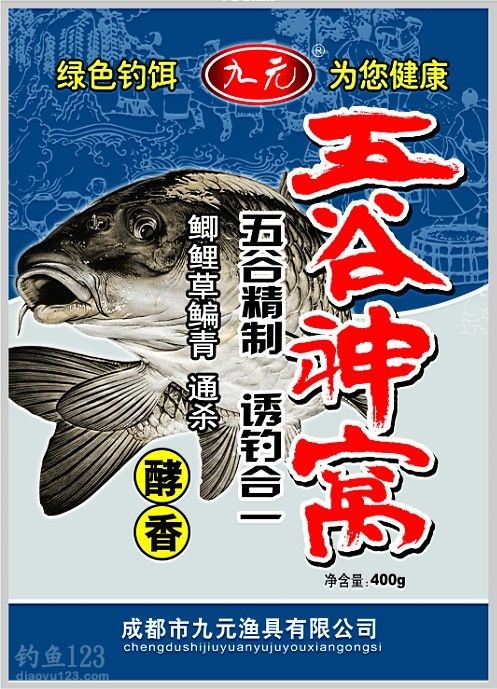
How to Bait Effectively for Short-Period Wild Fishing: Maximize Your Catch with These Pro Tips
Let’s be real—who hasn’t stood by the water, watched a buddy cast a handful of bait, and then haul in fish after fish while you’re over here with a giant clump of chum that’s just… sitting there? Ugh, it’s the worst! I’ve been there too—spent 20 minutes mixing up a “perfect” bait mix, dumped it in, and then sat for an hour without a single bite. Meanwhile, the guy next to me is using a tiny bit of corn and reeling in bass like it’s nothing. What gives? Turns out, it’s not about how much bait you use—it’s about how you use it. And when you’re short on time (hello, post-work quick fishing trip!), every minute counts. Let’s break down why your bait’s failing you and how to fix it—stat.
Why Your Giant Bait Pile Isn’t Working (Spoiler: It’s Not Just “Bad Luck”)
First off, let’s get one thing straight: Baiting isn’t just throwing food in the water. If it were, we’d all be catching world-record fish with a bucket of dog food. But nope—fish are smarter than that, and water has a mind of its own. Let’s talk about the two biggest mistakes I see (and made, way too many times):
1. Underestimating Water Currents (AKA “Why Your Bait’s Floating Away Before Fish See It”)
Oh man, this one stung. Last winter, I found a perfect spot—sunny, shallow, near some reeds. I mixed up a pound of my “secret” carp bait (read: store-bought dough with extra corn) and dumped it right in the middle of the spot. Then I sat. And sat. And sat. Meanwhile, the guy 10 feet upstream from me was casting a tiny bit of bread and catching carp left and right. I finally walked over to ask what his trick was, and he laughed and pointed to the current. “Your bait’s drifting downstream before any fish can find it,” he said. “I’m baiting 3 feet upstream—current brings it right to where the fish are hiding.”
Ugh. Total facepalm. Water isn’t still, even in lakes (hello, wind-driven currents!). If you just plop bait where you want to fish, here’s what happens:
- Fast currents: Your bait gets swept away immediately—fish never see it.
- Slow currents: Bait drifts into a spot where fish aren’t hanging out (like deep mud or under overhanging trees they avoid).
- Still water: Bait sinks to the bottom, but if fish are suspended (swimming mid-water), they might not notice it.
Pro tip I learned that day: Before you bait, drop a leaf or a tiny piece of bread in the water and watch where it goes. That’s your current path. Bait 2-33 feet upstream from your target spot—current will carry the scent and bits of bait right to the fish’s hiding spot.
2. Overfeeding Fish (Yes, That’s a Thing—Even for Fish!)
Another mistake? Thinking “more is better.” I once spent $15 on a bag of fancy “high-protein” carp bait, dumped the whole bag in, and then… nothing. Nada. Zilch. A local angler saw me moping and said, “You fed them a feast—they’re full and won’t touch your hook. Next time, use a handful of corn. They’ll eat the small bits, then go for your hook when they’re still hungry.”
This is especially true in cold water (we’re talking winter and early spring). When water temps drop below 60°F (15°C), fish’s metabolism slows way down. A goldfish-sized meal can keep them full for 24 hours. So if you dump a pound of bait, they’ll gorge on the easy stuff (your loose bait) and ignore your hook. Here’s the breakdown:
- Cold water (winter/early spring): Fish eat 1/10th the amount they do in summer. Skip the big bait piles—use a tiny “spoonful” of bait (like 10-15 corn kernels or a pinch of bread).
- Warm water (summer/fall): Fish are hungry! You can use a bit more, but still don’t overdo it—3-4 handfuls max.
I tested this the next weekend: Used 12 corn kernels, baited upstream, and caught 3 carp in 45 minutes. Total game-changer.
Step-by-Step: How to Bait for Short-Period Wild Fishing (No More Wasted Time!)
Okay, let’s get practical. When you only have 1-2 hours to fish, you can’t waste 3 minutes mixing bait and guessing. Here’s my go-to routine (it takes 5 minutes max):
1. Scout First (3 Minutes—Save Yourself Headache Later)
Before you touch bait, walk the bank. Look for:
- Fish jumping (surface activity = fish are feeding).
- Reeds, lily pads, or fallen trees (fish hide here for cover).
- Current breaks (places where water slows down—fish rest here).
Drop a leaf to map the current, then mark your target spot (where the leaf ends up) and your bait spot (22-33 feet upstream).
2. Choose the Right Bait (Skip the Fancy Stuff—KISS = Keep It Simple, Stupid)
You don’t need $20 worth of “professional” bait. I use 3 things, always:
- Corn (canned, no salt—cheaper than fancy bait, fish love it).
- Bread (white or whole wheat—soak in water for 30 seconds so it sinks).
- Worms (nightcrawlers—you can dig them in your yard, or buy a pack for $3).
Why? These are “natural” baits—fish see them every day, so they don’t get suspicious. Fancy “smelly” baits? Sometimes they work, but often they make fish skittish (especially in clear water).
3. Bait Smart (Not Hard—Here’s How)
Now, time to bait. Follow these rules:
- For still water: Bait in a “small circle” (6 inches wide) right where you want to fish. No need to go upstream.
- For moving water: Bait 22-33 feet upstream (adjust based on current speed—faster = farther upstream).
- For cold water: Use 10-15 corn kernels or a pinch of bread (no more!).
- For warm water: Use 3-4 handfuls of corn/bread (spread it out, don’t clump it).
Pro trick: If you’re using bread, tear it into tiny pieces (pea-sized) so it dissolves slowly—releases scent over time, not all at once.
4. Wait (But Not Too Long—Short-Period Fishing = No Patience Required)
Here’s the thing: Short-period fishing (1-2 hours) means you don’t have time to wait for a big bait pile to “settle.” After you bait, wait 10-15 minutes (max) then start fishing. If you don’t get a bite in 30 minutes, move—your spot is bad, or your bait is wrong.
I once waited 45 minutes for a bite at a spot, then moved 1 feet to a reed bed, baited 10 corn kernels, and caught a bass in 5 minutes. Don’t be stubborn—fish move!
Common Mistakes to Avoid (Save Yourself From These Facepalms)
Let’s wrap up with the mistakes I see (and made) way too often. Don’t do these:
1. Baiting in the Wind (No, Wind Isn’t Your Friend Here)
Wind pushes water—if you bait on the downwind side, your bait will drift away from the fish. Bait on the upwind side instead. Last month, I fished a lake with a strong west wind. I baited upwind, and my bait drifted right to the fish hiding in the east reeds. Perfect.
2. Using “Too Much” Bait (Even in Warm Water)
I know, I said this already—but it’s worth repeating. A friend of mine once dumped 5 pounds of bait in a small pond. He sat for 2 hours, no bites. Then he reeled in, and his hook was covered in his own bait (the fish were eating the loose stuff). Don’t be that guy.
3. Forgetting to “Match the Hatch” (Wait, What’s That?)
“Match the hatch” means using bait that’s similar to what fish are already eating. If you see fish jumping after bugs, use a fly or a small worm. If you see them eating corn from a nearby farm (yes, that happens!), use corn. Last summer, I fished a pond near a cornfield—used corn, caught 8 bluegill in an hour. No fancy bait needed.
My Final Short-Period Fishing Routine (Tested & True)
Let’s put it all together. Here’s what I do every time I have 1-2 hours to fish:
- Walk the bank for 3 minutes—look for surface activity, reeds, current breaks.
- Drop a leaf to map current—mark bait spot (upstream) and fishing spot.
- Grab 10 corn kernels (or a pinch of bread)—no fancy stuff.
- Bait upstream (22-33 feet) if moving water, small circle if still.
- Wait 10 minutes, then cast my hook (with corn/worm) right in the fishing spot.
- If no bite in 30 minutes, move to a new spot.
Does it work? Last week, I did this and caught 5 bluegill and 2 bass in 90 minutes. Not bad for a post-work trip!
Look, I’m not a pro angler. I’m just a guy who loves fishing and hates wasting time. The key with short-period wild fishing isn’t about being fancy—it’s about working with the water, not against it. Stop dumping giant bait piles, start paying attention to currents, and use small, natural baits. You’ll catch more fish in an hour than most people do in a day. Trust me—I’ve been there, and the difference is night and day.
What’s your go-to bait trick? Drop a comment below—I’d love to hear it! And if you try these tips, let me know how you do. Happy fishing!