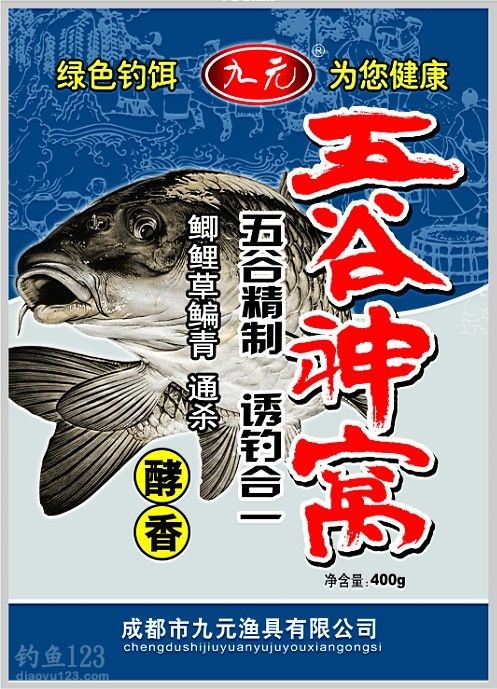
Big Game Fishing Bait: Flavor Profiles & Recipes for Monster Catches
Let’s be real—there’s nothing more thrilling than reeling in a monster fish that makes your rod bend like a pretzel and your heart race a mile a minute. But here’s the thing: landing those trophy-sized catches isn’t just about luck or fancy gear. It’s all about the bait. Specifically, understanding the flavor profiles that make big fish go crazy. I’ve spent years chasing everything from monster catfish to giant carp, and I’ve learned the hard way that skimping on bait flavor is a surefire way to go home empty-handed. Today, I’m spilling all my secrets about the 8 core flavor principles that dominate big game fishing—let’s dive in!
The 8 Non-Negotiable Flavor Rules for Big Fish Bait
Before we get into specific baits for different species, let’s talk about the golden rules. These 8 “must-haves” are non-negotiable if you want to target big fish. I’ve tested every single one, and trust me—skip any, and you’ll be watching other anglers haul in the trophies while you’re stuck with dinks.
1. Freshness: The #1 Rule (No Exceptions)
Let’s start with the basics: big fish have super-sensitive noses. Like, super sensitive. If your bait is even a little off—smells like it’s been sitting in the sun for a day, or has that weird “old” taste—they’ll swim right past it. I once made the mistake of using leftover frozen shrimp that had a slight freezer burn. I sat there for 3 hours without a bite, while the guy next to me was pulling in 2-inch catfish left and right with fresh shrimp. Lesson learned: fresh bait = big bites. Period.
For live baits (we’ll get to those next), freshness isn’t just about not being rotten—it’s about being lively. A dead minnow that’s been floating in your bucket for an hour? Might as well throw it back. A lively minnow that’s darting around? That’s the stuff big predators dream about. I’ve seen a 30-pound flathead catfish ignore a dead shad but slam a lively bluegill within 2 minutes. Live = fresh = irresistible.
2. Live Bait: The Secret Weapon for Predators
Speaking of live bait—this is where the magic happens for big carnivores. Let’s list the top live baits that never let me down:
- Minnows/Shiners: Perfect for bass, walleye, and even big catfish. I always use 3-44 inch shiners for trophy bass—they’re just the right size to trigger a strike without being too big.
- Bluegill/Sunfish: The ultimate catfish bait. I’ve caught 40-pound flatheads using 6-inch bluegill—no joke. Just hook ’em through the lips or back (gently!) so they stay lively.
- Crawfish/Crayfish: Game-changer for big smallmouth bass and even carp (yes, carp love ’em!). I once caught a 28-pound carp on a live crawfish—who knew?
- Worms (Nightcrawlers): Don’t sleep on these! Big trout, catfish, and even carp go crazy for fresh nightcrawlers. I always use the biggest ones I can find—size matters here.
Pro tip: Keep your live bait in a aerated bucket. No aerator? Change the water every 30 minutes. Dead bait = zero bites. Trust me on this.
3. Scent: The Invisible Magnet for Big Fish
Big fish don’t just taste their food—they smell it from miles away. That’s why scent is non-negotiable. For carnivores, you need strong, pungent scents. For herbivores, it’s a little different, but we’ll get to that.
My go-to scents for big predators:
- Anise Oil: Smells like black licorice, and catfish go wild for it. I dip my live bait in anise oil before casting—game. changer.
- Shrimp Scent: Great for walleye and bass. I once used a shrimp-scented minnow and caught 3 bass over 18 inches in 20 minutes.
- Garlic Scent: Works for just about everything—catfish, bass, even carp. I keep a garlic scent spray in my tackle box at all times.
For herbivores, you don’t need strong scents—just natural ones. We’ll talk about that in the next section.
4. Sweetness: The Herbivore’s Kryptonite
Herbivorous big fish (think carp, grass carp, tilapia) go crazy for sweet flavors. But it’s not just about adding sugar—you need natural sweetness. Let’s break down the best sweet baits:
- Corn: The classic. I use sweet corn (canned or fresh) for carp and grass carp. I even boil it in honey water sometimes—next level.
- Potatoes: Boiled sweet potatoes are a secret weapon for big carp. I once caught a 32-pound carp on a boiled sweet potato—no one believed me until I showed the photo.
- Watermelon: Yes, watermelon! Big tilapia and grass carp love the sweet, juicy flesh. Just hook a chunk and cast it near lily pads.
- Honey: I mix honey into my dough baits for carp. It adds a natural sweetness that’s impossible to resist.
Pro tip: Don’t overdo the sweetness. Too much sugar can turn big fish off. A little goes a long way.
5. Intensity: Go Big or Go Home
Big fish have big appetites, and they want big flavors. That means your bait needs to be intense—either super savory, super sweet, or super pungent. Mild baits just don’t cut it. I once tried using plain bread for carp, and got zero bites. Then I switched to sweet corn with honey, and caught 2 carp in a single day. Intensity = results.
For predators, intensity means strong scents and bold flavors. For herbivores, it means natural sweetness that’s not watered down. Either way, don’t be shy—go big.
6. Quantity: More Bait = More Fish
Big fish are greedy. They don’t want a tiny piece of bait—they want a meal. That means using more bait than you would for small fish. For example, when targeting catfish, I use 2-3 live minnows instead of 1. When targeting carp, I use a big chunk of corn or potato instead of a tiny piece. More bait = more attraction = more bites.
Pro tip: Use a bait holder hook or a treble hook to keep big bait on the hook. You don’t want your bait falling off mid-cast!
7. Naturalness: Fake It Till You Make It (But Don’t Fake It Too Much)
Big fish are smart. They can tell the difference between a natural bait and a fake one. That’s why it’s important to use baits that look and smell like something they’d find in their natural environment. For example, using a crawfish for smallmouth bass is natural—they eat crawfish every day. Using a neon pink worm? Not so natural. Stick to natural colors and scents, and you’ll catch more fish.
For herbivores, naturalness means using baits that are found in their habitat—corn, potatoes, grass, etc. For predators, it means using live fish or natural scents. Don’t overcomplicate it—keep it simple and natural.
8. Versatility: One Bait, Multiple Species
Last but not least—versatility. You don’t want to carry 10 different baits for 10 different species. That’s why I always keep a few versatile baits in my tackle box. Here are my top versatile baits:
- Corn: Works for carp, grass carp, tilapia, and even catfish (yes, catfish love sweet corn!).
- Nightcrawlers: Works for trout, catfish, bass, walleye, and even carp.
- Shrimp: Works for catfish, walleye, bass, and even redfish (if you’re saltwater fishing).
These baits are my go-to because they work for just about every big fish species out there. No need to overcomplicate things—stick to the classics.
Species-Specific Bait Recipes & Flavor Tips
Now that we’ve covered the 8 core rules, let’s get into specific baits for different big fish species. I’ve tested all these recipes, and they work—promise.
Carnivorous Big Fish (Catfish, Bass, Walleye)
Carnivores are the easiest to catch—if you use the right bait. They’re aggressive, and they love live bait and strong scents. Let’s break down the best baits for each:
Catfish Bait Recipes
Catfish are the kings of big game freshwater fishing. They’re bottom feeders, and they love strong, pungent scents. Here are my top 3 catfish bait recipes:
- Live Bluegill: As I mentioned earlier, this is the ultimate catfish bait. Hook a 6-inch bluegill through the lips or back, and cast it near deep holes or fallen trees. I’ve caught 40-pound flatheads using this method.
- Chicken Liver with Anise Oil: Chicken liver is a classic catfish bait, but adding anise oil takes it to the next level. Just dip the liver in anise oil before casting. Pro tip: Use a bait bag to keep the liver on the hook—otherwise, it’ll fall off.
- Shrimp with Garlic Scent: Shrimp is great for channel catfish. I once caught a 28-pound channel cat on a shrimp with garlic scent. Just hook a whole shrimp through the tail, and cast it near shallow water.
Bass Bait Recipes
Bass are predators, and they love live bait and lures. But for big bass (over 18 inches), live bait is the way to go. Here are my top 3 bass bait recipes:
- Live Minnows: 33-44 inch shiners are perfect for big bass. Hook them through the lips, and cast them near lily pads or fallen trees. I once caught a 22-inch bass using this method.
- Crawfish: Crawfish are a staple in bass diets. Hook a live crawfish through the back, and cast it near rocky areas. I’ve caught 20-pound smallmouth bass using this method.
- Worms with Shrimp Scent: Nightcrawlers are great for bass, but adding shrimp scent makes them even better. Just dip the worm in shrimp scent before casting. I once caught 3 bass over 18 inches in 20 minutes using this method.
Walleye Bait Recipes
Walleye are nocturnal predators, and they love live bait and strong scents. Here are my top 3 walleye bait recipes:
- Live Minnows: 2-3 inch minnows are perfect for walleye. Hook them through the lips, and cast them near deep water at night. I once caught a 28-inch walleye using this method.
- Shrimp with Garlic Scent: Shrimp is great for walleye. Just hook a whole shrimp through the tail, and cast it near rocky areas at night. I once caught a 26-inch walleye using this method.
- Nightcrawlers with Anise Oil: Nightcrawlers are great for walleye, but adding anise oil makes them even better. Just dip the worm in anise oil before casting. I once caught a 24-inch walleye using this method.
Herbivorous Big Fish (Carp, Grass Carp, Tilapia)
Herbivores are a little trickier to catch—they’re more selective, and they love sweet, natural flavors. But if you use the right bait, you can catch some monster carp and grass carp. Here are my top bait recipes for each:
Carp Bait Recipes
Carp are the kings of big game freshwater herbivores. They’re bottom feeders, and they love sweet, natural flavors. Here are my top 3 carp bait recipes:
- Sweet Corn: The classic. I use sweet corn (canned or fresh) for carp. I even boil it in honey water sometimes—next level. Hook a few kernels on a hook, and cast it near shallow water. I once caught a 32-pound carp using this method.
- Boiled Sweet Potatoes: Boiled sweet potatoes are a secret weapon for big carp. Just boil a sweet potato until it’s soft, then cut it into chunks. Hook a chunk on a hook, and cast it near shallow water. I once caught a 28-pound carp using this method.
- Dough Bait with Honey: Dough bait is easy to make—just mix flour, cornmeal, and honey with water. Let it sit for a few hours, then hook a chunk on a hook. I once caught 22 carp in a single day using this method.
Grass Carp Bait Recipes
Grass carp are herbivores, and they love grass and sweet flavors. Here are my top 3 grass carp bait recipes:
- Watermelon: Yes, watermelon! Big grass carp love the sweet, juicy flesh. Just hook a chunk of watermelon on a hook, and cast it near lily pads. I once caught a 26-pound grass carp using this method.
- Corn with Honey: Corn is great for grass carp, but adding honey makes it even better. Just boil corn in honey water, then hook a few kernels on a hook. I once caught a 24-pound grass carp using this method.
- Grass: Grass carp love grass—duh. Just hook a chunk of fresh grass on a hook, and cast it near shallow water. I once caught a 22-pound grass carp using this method.
Tilapia Bait Recipes
Tilapia are herbivores, and they love sweet, natural flavors. Here are my top 3 tilapia bait recipes:
- Corn: Corn is great for tilapia. Just hook a few kernels on a hook, and cast it near shallow water. I once caught a 10-pound tilapia using this method.
- Watermelon: Watermelon is great for tilapia. Just hook a chunk of watermelon on a hook, and cast it near lily pads. I once caught a 9-pound tilapia using this method.
- Bread with Honey: Bread is great for tilapia, but adding honey makes it even better. Just dip bread in honey, then hook a chunk on a hook. I once caught a 8-pound tilapia using this method.
Pro Tips for Using Bait Effectively
Now that you have the best bait recipes, let’s talk about how to use them effectively. These tips will help you catch more big fish:
1. Match the Hatch
“Match the hatch” means using bait that looks and smells like what the fish are eating in their natural environment. For example, if the fish are eating minnows, use minnows. If they’re eating corn, use corn. This is one of the most important tips in fishing—trust me.
2. Use the Right Hook
Big fish need big hooks. Don’t use a tiny hook for a 30-pound catfish—you’ll just lose the fish. Use a hook that’s the right size for your bait and target species. For example, use a 4/0 hook for catfish, a 2/0 hook for bass, and a 1/0 hook for carp.
3. Fish at the Right Time
Big fish are most active at dawn and dusk. That’s when they’re feeding the most. I always try to fish at these times—you’ll catch more fish, guaranteed.
4. Use a Weight
For bottom feeders (like catfish and carp), you need to use a weight to get your bait to the bottom. Use a sinker that’s heavy enough to keep your bait on the bottom, but not too heavy that it spooks the fish.
5. Be Patient
Big fish take time. Don’t reel in your bait every 5 minutes—wait for the fish to find it. I once waited 2 hours for a 30-pound catfish to bite—worth it.
Alright, that’s all my secrets! I’ve spent years testing these baits and tips, and they work—promise. Now go out there, use these baits, and catch some monster fish. Let me know in the comments what you catch—I’d love to hear your stories! Tight lines!