What’s the Most Practical Length for a Guma Rod? A Fisherman’s Guide
Okay, let’s cut to the chase: if you’re into fishing, especially that sweet spot between hand fishing and big-game action, you’ve probably heard of Guma rods. These bad boys are like the Swiss Army knives of the fishing world—handy, versatile, and way more fun than your average rod. But here’s the million-dollar question every newbie (and even some vets) asks: What’s the most practical length for a Guma rod? Stick around, because I’m breaking down everything from my own trips to the nitty-gritty details that’ll save you from wasting cash on a rod that’s either too short to reach the big ones or too long to haul around like a tree trunk.
First, Let’s Get Familiar: What Is a Guma Rod, Anyway?
Before we dive into lengths, let’s make sure we’re on the same page. Guma rods (also known as front-casting rods in some circles) are the love child of hand rods and sea rods. They’re designed specifically for the “Guma fishing method”—a style that’s huge in parts of Asia but’s been blowing up worldwide lately. Here’s the gist: you can hold ’em like a hand rod for quick strikes on small fish (think bream, tilapia, or even tiny bass), but when a monster like a carp or grass carp hits, you can reel out line just like a sea rod. No more panicking when a 20-pounder takes off—your Guma rod’s got your back.
The Big Debate: What’s the Most Practical Guma Rod Length?
Alright, let’s get to the good stuff. I’ve tested rods from 4.5 meters up to 7.2 meters, and here’s the tea: 6.3 meters is the sweet spot for most anglers. But wait—hear me out! It’s not one-size-fits-all. Let’s break down why 6.3m works, plus when you might want to go shorter or longer.
Why 6.3 Meters Is the Most Versatile
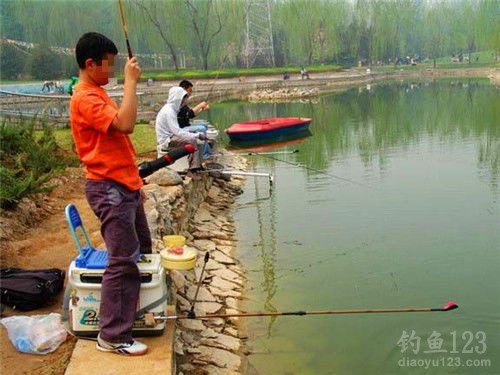
First off, 6.3m hits that perfect balance between reach and maneuverability. Let’s say you’re fishing a pond with lily pads—too short, and you can’t cast past the weeds. Too long, and you’ll be struggling to lift the rod without knocking over your tackle box (trust me, I’ve done that). But 6.3m? You can reach those deep pockets where big fish hide, and you still have enough control to fight a feisty carp without breaking a sweat.
Another win? Most Guma rods are adjustable (called “multi-position rods”). A 6.3m model might let you shorten it to 5.7m or 5.1m in seconds. That means one rod can handle:
- Small ponds (5.1m for tight spaces)
- Medium lakes (5.7m for a little more reach)
- Big rivers or reservoirs (6.3m for those far-out spots)
No more hauling 3 different rods to the lake—total game-changer for lazy anglers like me.
When to Go Shorter (Or Longer)
6.3m isn’t for everyone. Let’s talk exceptions:
- Go shorter (4.5m–5.4m) if: You only fish small streams or backyard ponds. A 4.5m rod is light, easy to carry, and perfect for zipping after bream. But don’t expect to land a 15-pound carp—you’ll lose the fight fast.
- Go longer (7.2m+) if: You’re chasing monster fish in huge reservoirs or rivers. But here’s the catch: longer rods are heavy. I tried a 7.2m once, and after 2 hours, my arms felt like noodles. Only grab one if you’re a pro or have a buddy to help haul it.
Pro tip: Always check the water and fish type first. If you’re fishing a spot with lots of snags, shorter is better (less chance of getting stuck). If you’re after trophy carp, 6.3m is your best bet.
Beyond Length: Key Guma Rod Parameters to Check
Length is important, but it’s not everything. I’ve bought rods that were the “right length” but fell apart after 2 trips. Here’s what else to look for:
1. Collapsed Length
Collapsed length = how short the rod gets when you’re not using it. If you drive a tiny car or hike to your fishing spot, look for rods that collapse to 80–90 cm. My old 6.3m rod collapsed to 110 cm—total pain to fit in my backpack. Now I have one that’s 85 cm, and it fits in my tackle bag with room for snacks. Win-win.
2. Number of Sections
More sections = shorter collapsed length, but more chances for things to go wrong. A 6.3m rod with 5 sections will collapse shorter than one with 3, but it’s also more likely to wiggle or break at the joints. I prefer 3–4 sections—balance between portability and durability.
3. Rod Diameter (Tip vs. Butt)
Two numbers here: tip diameter (how thin the end is) and butt diameter (how thick the handle is). A thinner tip means more sensitivity (you’ll feel every tiny nibble), but it’s weaker. A thicker butt means more power (great for big fish), but it’s heavier. Look for a tip diameter around 1.2–1.5 mm and a butt diameter around 25–30 mm—perfect for most fish.
4. Weight (Don’t Fall for “Net Weight” Lies)
Manufacturers love to list “net weight” or “self-weight,” but those are garbage. What matters is finished weight—the weight of the rod with the reel and line attached. I once bought a rod that said “150g net weight” but weighed 300g with my reel. Total scam. Test the rod with your reel before buying—if your arm aches after 10 minutes, skip it.
5. Reel Type
Guma rods use specific reels—no spinning reels here. The two main ones are:
- Front-casting reels: Super light, easy to use, but you can’t cast far. Great for beginners.
- Gossip reels: More powerful, better for big fish, but a little trickier to master. I use one now, and it’s saved me from losing 3 carp already.
Pro tip: Don’t buy a cheap reel. A $20 reel will break mid-fight, and you’ll watch your trophy swim away. Spend $50–$100 on a good one—worth every penny.

Top Guma Rod Brands (That Actually Work)
Not all Guma rods are created equal. I’ve tried 10+ brands, and here are the ones that haven’t let me down:
1. Daiwa
Daiwa is the king of fishing gear—no question. Their Guma rods are light, durable, and have insane sensitivity. I have their “Red Jack” model, and it’s landed 5 carp over 10 pounds. Worth the price (around $150–$200).
2. Shimano
Shimano’s “One Strike M” is perfect for beginners. It’s cheap (around $100), easy to use, and handles small to medium fish like a pro. I gave one to my little brother, and he’s been catching bream nonstop.
3. Guangwei
Guangwei is a Chinese brand that’s killing the budget market. Their “Qin” model is $80, and it’s just as good as Daiwa’s $150 rod. I’ve used it for 6 months, and it’s still in perfect shape. Great for anglers who don’t want to break the bank.
4. Double Fish
Double Fish’s “Magic Star” is a beast for big fish. It’s a little heavy, but it can handle 20-pound carp like they’re nothing. I took it to a reservoir last month, and it landed a 18-pound grass carp—my new personal best.
5. Huaji
Huaji is a newer brand, but they’re making waves. Their “Jianghu Yan” model is super light (only 280g finished weight) and collapses to 80 cm. Perfect for hikers. I take it on day trips to mountain streams, and it’s a dream to carry.
My Personal Guma Rod Story (Spoiler: I Made Mistakes)
Let me be real with you—my first Guma rod was a disaster. I bought a cheap 5.4m rod from a random online store for $30. First trip out, I hooked a 12-pound carp. The rod bent so far it looked like a rainbow, and then—snap—it broke in half. I watched that carp swim away with my $5 hook, and I wanted to cry. That’s when I learned: cheap Guma rods are a waste of money.
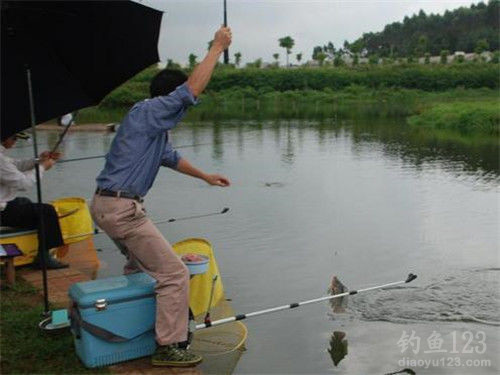
Now I use a 6.3m adjustable Daiwa rod, and it’s my ride-or-die. Last month, I was fishing a lake with lily pads. I shortened it to 5.1m to get through the weeds, then extended it to 6.3m when a big carp took my bait. I fought it for 15 minutes, and the rod didn’t even wiggle. Total game-changer. I even took a photo with it—my buddy still teases me about how big my smile was.
Final Thoughts: Stop Overcomplicating It
At the end of the day, the most practical Guma rod length is 6.3 meters for 90% of anglers. It’s versatile, handles most fish, and works in most water types. But if you’re fishing small streams, go shorter. If you’re chasing monsters, go longer. Just don’t buy a cheap rod—you’ll regret it.
Oh, and one last thing: test the rod before you buy it. Pick it up, attach your reel, and swing it around. If it feels heavy or wobbly, walk away. I once tested a rod that felt like I was holding a cinder block—no way I’d use that for 4 hours.
What’s your favorite Guma rod length? Drop a comment below—I’d love to hear your stories. And if you’re new to Guma fishing, don’t be scared to ask questions. We’ve all been there (looking at you, my broken $30 rod).