Summer & Autumn Reservoir Fishing: My Top Tips & Bait Recipes
Reservoir fishing in summer and autumn is like a love letter to nature – the water’s cool, the fish are biting, and there’s nothing better than reeling in a big catch after a day outdoors. But let me tell you, I’ve spent my fair share of frustrating afternoons staring at an empty float. Today, I’m sharing the tricks I’ve learned the hard way to make your reservoir trips successful, whether you’re a newbie or a seasoned angler.
Best Times to Fish Reservoirs in Summer & Autumn
First things first: timing is everything. Fish are picky about when they feed, especially in reservoirs where water temps and oxygen levels shift with the seasons. Here’s when you’ll have the highest chance of landing something:
1. Early Morning & Late Evening: The “Cooler Window”
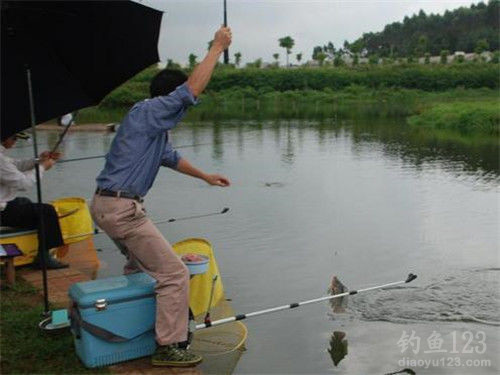
During summer, the sun blazes from 10 AM to 4 PM, turning the top layer of water into a hot, oxygen-poor soup. Fish hate that! So they retreat to deep, shaded areas. But in the early morning (5–7 AM) and late evening (6–8 PM), the water cools down, and fish start cruising near the surface again.
I learned this the hard way last July: I showed up at 10 AM (midday heat!) and caught zilch. Then I tried 6 PM – within an hour, I had a 3kg carp and two bass on my line! Moral of the story: avoid midday unless you’re in deep shade (we’ll get to that later).
- Why? Cooler water (20–25°C) makes fish active; they’re less likely to bolt if you’re casting near shore.
- Pro Tip: Arrive 30 minutes before sunrise/sunset to set up. Fish feed right at the transition – don’t wait too long!
2. After Rain, Light Rain, & Weather Shifts
Reservoir fishing isn’t just about time – it’s about the weather. Rain and weather changes are fish magnets! Here’s why:
- After Heavy Rain: Rain washes bugs, seeds, and algae into the reservoir, giving fish a feast. Plus, raindrops aerate the water, so oxygen levels spike. I once caught 5 fish in 20 minutes after a storm – they were practically fighting over my bait!
- Light Rain (Misty Days): A light drizzle is even better! The rain keeps the water cool, and tiny ripples mean fish feel safe near the surface. I’ve caught trout and small carp on misty mornings with just ordinary dough bait.
- 1–2 Days Before a Weather Change: If a cold front is coming or a typhoon’s near, fish sense the pressure drop and feed like crazy to stock up. I’ve seen this happen: 2 days before a storm, the reservoir was packed with fish, and I caught 4 carp in an hour!

Choosing the Perfect Reservoir Fishing Spot
You can have the best bait, but if you’re fishing in the wrong spot, you’ll leave empty-handed. Let’s break down where to cast your line based on the time of day and conditions:
1. Morning/Evening: Near Shore or Deep Shallow?
Early morning and late evening are all about the near shore – but not too shallow! Fish feel safer in shallower water during low-light hours, and they’ll feed near the edges where the bottom is muddy or rocky (food accumulates there).
Here’s a key trick: after rain, fish will venture closer to shore. The rain muddies the water, so fish are less wary. I once caught a 5kg carp in 20 minutes after a storm by casting near the muddy shoreline – I swear, they didn’t even notice the hook!
- Depth: 1–3 meters (shallow enough to see ripples, deep enough to hide from predators).
- Shore Type: Muddy or rocky edges work best – they’re natural feeding grounds.
- Warning: Too much mud (turbid water) can make fish spooked – avoid spots with zero visibility!
2. Midday: Deep, Shaded, & Cooler Spots
Noon is tough, but there are havens for fish: deep water with shade. Think: water plants, boat docks, or tree shadows. These spots stay cool, and fish like carp and grass carp love them.
One of my favorite spots is a small reservoir with a wooden dock. In July, the sun beats down, but the dock casts shade over 2 meters of water. I once caught 3 carp there in an hour, using fresh grass tied to a hook. They were just munching away on the vegetation!
- Water Plants: Reed beds, water lilies, or submerged grass – fish hide here for safety and food.
- Docks & Boats: Floating structures create shade and attract fish looking for shelter.
- Tree Shadows: Under trees near the shore, but deeper (2–5 meters) to avoid predators.
3. Flowing Water: Oxygen & Fish Behavior
Reservoirs often have inlets or outlets where water flows. Fish are natural “current lovers” – they swim against the current to get oxygen and food. I’ve tested this: still water vs. flowing water – the flowing spots always yield more fish!
But be careful: too strong a current (over 1 m/s) makes casting hard, and fish tire quickly. Look for gentle flow (0.5–1 m/s) near the reservoir’s edges or in small streams feeding it.
- How to Find: Look for areas where the water level changes (inlets/outlets) or where streams meet the reservoir.
- Tip: Use a float with a small weight to keep your bait in the current – fish will grab it as it drifts by!
4. Windy Days: Leeward or Windward?
Wind is your secret weapon! A light breeze (1–5 levels) stirs up water, brings oxygen, and washes food (algae, insects) to leeward spots. I’ve caught more fish on windy days than calm ones – here’s why:
- Leeward Side: Wind pushes food (like leaves, insects) into the calm water near the shore. Fish gather here to feed.
- Wind Speed: 1–5 levels (light to moderate) are ideal. Strong winds (>5 levels) make casting hard, and you’ll miss bite signals.
- Pro Move: Cast slightly upstream (against the wind) to let the current carry your bait downstream – fish love chasing moving prey!
Common Bait Recipes for Summer & Autumn Reservoirs
Even the best spots won’t help if your bait is wrong. Let’s talk about what fish crave: color, aroma, taste, and freshness. Fish are picky, so tailor your bait to the species and conditions.
Why Bait Matters: The “4Fs” of Fishing
Every bait should hit these marks: Freshness, Flavor, Form, and Function.
- Freshness: Live bait (worms, crickets) or fresh dough bait. If it’s stale, fish will ignore it!
- Flavor: Fish love garlic, shrimp, or fish-based scents. For carp, sweet corn works too!
- Form: Match the size of your bait to the fish. Small fish = small bait; big fish = big hooks.
- Function: In flowing water, use bigger, heavier baits; in still water, lighter, more natural-looking lures.
Basic Bait Formulas: Simple to Special
You don’t need fancy gear – these simple recipes work for most species (carp, bass, trout):
1. All-Season Dough Bait (Great for Beginners)
Mix 2 cups flour, 1 cup cornmeal, ½ cup warm water, and a pinch of yeast. Let it sit 2 hours to rise. Shape into small balls (like doughnuts). Add garlic powder or fish oil for aroma. Perfect for carp and trout!
Pro Tip: Add a few drops of vanilla extract for sweetness – fish can’t resist it in warm weather.
2. Live Bait: Earthworms & Mealworms
Live bait is a game-changer for active fish. For bass or trout, use nightcrawlers (earthworms):
- Dig worms from moist soil near the reservoir’s edge (avoid sunny areas).
- Keep them in a container with damp dirt to stay alive longer.
- For mealworms, put 2–3 in a small cup and drop them into the water – bass go crazy for them!
3. Natural Vegetable Baits (Grass Carp & Carp)
Grass carp are vegetarians! Tie fresh grass shoots or reed leaves to a hook. I’ve caught grass carp weighing 4kg using this method in autumn – they’re too busy eating to notice the hook!
Pro Move: Use tender grass from near the water’s edge (they’ll match your bait to their natural food source).
4. Special Formula: “White Shark” Bait (Local Favorite)
My local angler friends swear by this for autumn carp. It’s a bit sticky, smells fishy, and sinks slowly – perfect for deep water:
Mix 3 parts fishmeal, 2 parts flour, 1 part sugar, and ½ cup water. Add 10 drops of garlic oil and 5 drops of fish sauce. Let it sit for 1 hour to thicken. Shape into 5cm balls and cast deep!

Final Tips for Bait Success
Change bait if it’s not working! If you’re using dough and not catching fish, switch to live worms. If it’s windy, use heavier dough. And always keep bait fresh – fish can smell it from meters away!
Fishing reservoirs in summer and autumn is all about patience and adaptability. The best trips happen when you read the water, watch the weather, and trust your instincts. Remember: even if you don’t catch a big one, the peace of the outdoors is reward enough. Happy fishing, and tight lines!