Autumn Bank Fishing at Urban Parks: Best Bait Recipes & Rig Setups for Fall Success
Let’s be real—fall is my favorite time to fish. The crowds thin out, the air’s crisp, and those urban park ponds? They’re hiding some seriously hungry fish. But here’s the thing: park fishing isn’t just “throw a worm and wait.” You’ve got to adapt to the water, the weather, and those finicky fall fish. I’ve spent way too many weekends testing baits and rigs in city parks (and yes, I’ve gone home empty-handed more times than I’d admit), so today I’m spilling all my secrets. No fancy jargon, just what works when the leaves start turning.
1. Bait & Lure Strategy: Ditch the Spinners—Go for What the Fish Actually Want
First off, forget what you used in summer. Fall fish are gearing up for winter, so their tastes shift faster than a squirrel chasing acorns. Let’s break it down by month because that’s make-or-break for park ponds.
Early Fall (August–Early September): Still Warm, Still Spooky
Water temps are still on the higher side in most urban parks, so fish are a bit sluggish. They don’t want heavy, meaty baits—they’re craving something light, but smelly enough to grab their attention. Here’s my go-to early fall recipe:
- 1 cup crushed rice (not instant—regular white rice works)
- ½ cup millet (to add texture)
- ¼ cup rapeseed cake powder (you can find this at Asian markets or online)
- ¼ cup cornmeal
Here’s the trick: toast these dry ingredients in a pan until they’re golden and smell nutty (don’t burn ’em—burnt bait = no fish). Let ’em cool, then mix in a splash of molasses and a spoonful of commercial fish attractant (I swear by the garlic-flavored ones for early fall). Let this ferment in a sealed container for 2–3 days (keep it in a cool spot—your garage is perfect, not your kitchen counter unless you want your spouse to yell). This stuff is like candy for carp, grass carp, and even small catfish.
For the hook bait (the thing you put on the hook, not the chum), keep it simple: a single white rice grain (soak it in the fermented mix for 10 minutes first) or a tiny piece of commercial dough bait. Why rice? Because it’s light, matches the “plant-based” vibe of the park pond, and fish can’t resist it when it’s smelly.
Late Fall (Mid-September–October): Cold Water = Hungry Fish (Finally!)
When the first frost hits and the air feels like it could cut you, that’s when the magic happens. Fish are stuffing their faces like it’s Thanksgiving dinner—they need fat for winter. So we’re ditching the veggies and going full-on meat mode.
First, update your chum: take your early fall base (the toasted grains) and add 2 tablespoons of fish meal, 1 tablespoon of shrimp powder, and a splash of chicken blood (yes, real chicken blood—ask your local butcher for a small cup; it’s free!). Mix it up, let it ferment for 1 day (it’s stronger now, so don’t overdo it), and you’ve got a chum that’ll draw fish from across the pond.
Hook baits? Go live or go home. Here’s my top 3:
- Live worms: Nightcrawlers are best, but even red wigglers work. Hook ’em through the middle so they wiggle—fish can’t resist the movement.
- Shrimp: Freshwater shrimp (not the saltwater kind you buy at the grocery store) are gold. If you can’t find ’em, use frozen shrimp and thaw ’em first—just don’t cook ’em.
- Grasshoppers/oil beetles: Catch ’em in the park grass (early morning is best—they’re slow then). Hook ’em through the thorax so they stay alive longer.
Pro tip: If you’re using dough bait in late fall, mix in a spoonful of shrimp powder. It adds that extra “meat” smell that fish crave.
2. Tackle Setup: Don’t Scare the Fish—Keep It Light, Sharp, and Invisible
Urban park ponds are usually small, shallow, and full of skittish fish. Your grandpa’s 10-pound test line and size 8 hook? That’s a no-go. Let’s talk what actually works.
Early Fall Tackle: Small, Stealthy, and Sharp
Water’s still warm, fish are lazy, so you need to be invisible. Here’s my setup:
- Hook: Size 1–2 Iseama (or “Eagle Claw” if you’re on a budget). These are tiny, sharp, and fish can’t spit ’em out easy.
- Line: 0.4–0.8 lb test monofilament (clear, not colored). It’s thin enough that fish don’t see it, but strong enough to pull in a 5-pound carp (trust me, I’ve done it).
- Rod: 6–7 foot light action rod (spinning, not baitcasting—easier for beginners). It lets you feel the tiny bites that early fall fish give.
Why light line? Because park fish see a lot of anglers, so they’re spooked by thick line. I once used 2 lb test and caught 3 carp in an hour—switch to 4 lb test the next week and caught zero. Coincidence? I think not.
Late Fall Tackle: A Little Beefier (But Still Not Crazy)
Colder water means fish bite harder, so you can step up your tackle a bit. Here’s what I use:
- Hook: Size 3–4 Iseama. Still sharp, but bigger to hold onto those hungry fish.
- Line: 0.8–2 lb test monofilament. If you’re targeting bigger carp (10+ pounds), go with 2 lb test—you’ll need the extra strength to fight ’em in the weeds.
- Rod: Same 6–7 foot light action rod. You still need to feel those bites, even if they’re bigger.
Pro tip: Always check your hook sharpness! A dull hook will slide right out of a fish’s mouth. I keep a hook file in my tackle box and sharpen every 5 casts or so.
3. Fishing Techniques: Don’t Just Sit There—Make the Fish Come to You
Park fishing isn’t about patience (okay, a little patience, but not much). You’ve got to be active, especially in early fall when fish are lazy. Let’s break down the two key seasons.
Early Fall: The “Tease ’Em” Method
Fish are slow, so you’ve got to make your bait dance. Here’s what I do:
- Cast your line out to a spot near the weeds (fish love hiding there).
- Wait 10 seconds, then slowly reel in 6 inches, then stop. Repeat this every 10 seconds.
- When you feel a tiny tug (like a feather hitting your line), don’t jerk—just lift the rod tip slowly. That’s the fish testing your bait.
I once sat in a park for 2 hours without a bite using this method… then caught 4 fish in 15 minutes. It works because it mimics a bug or a small fish moving through the water. Don’t give up—those tiny tugs are gold.
Late Fall: The “Bait ’Em and Wait” Method
Colder water means fish are more active, but they still need a reason to stay. So first, make a chum spot:
- Toss a handful of your fermented chum (the meaty one) into a spot 10–15 feet from shore (near the deepest part of the pond).
- Wait 10 minutes—let the chum sink and spread the smell.
- Cast your hook bait right in the middle of the chum spot.
Here’s the rule: only 2–3 chum spots max. Too many spots and the fish get confused—they’ll swim from one to the other instead of eating. I once made 5 spots and caught nothing; the next week I made 2 and caught 6 fish. Lesson learned.
Also, keep an eye on your float (bobber). In late fall, bites are bigger—you’ll see the float dip under the water and stay there. When that happens, lift the rod tip slowly (don’t yank—you’ll pull the hook out). Then reel in steady—those fish fight hard!
My Worst (and Best) Park Fishing Story: Why These Tips Work
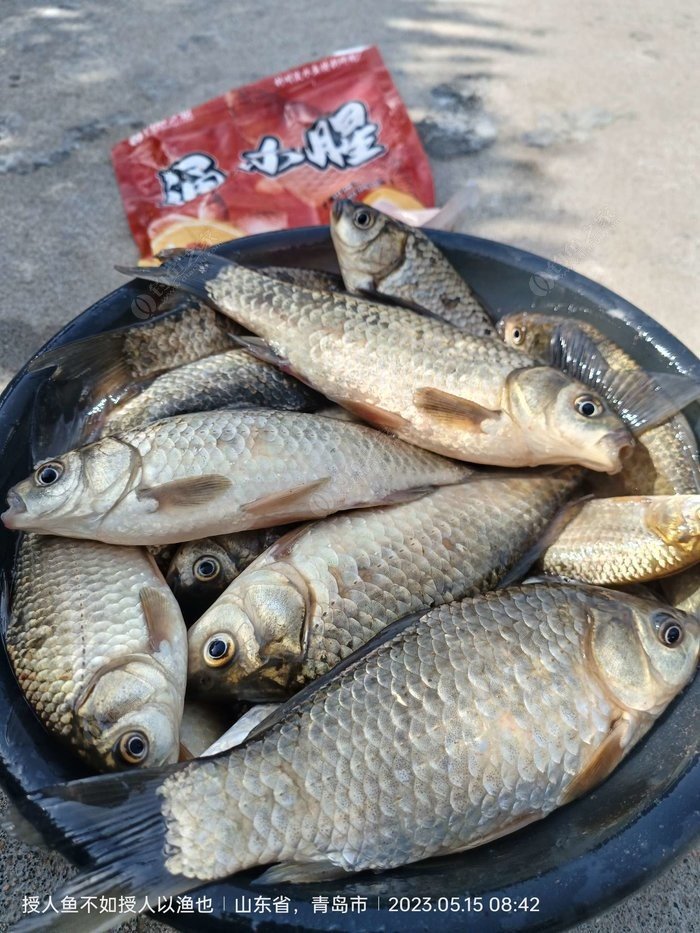
Let me tell you about the time I messed up… and then fixed it. Last early fall, I went to a park near my house with my old tackle: 4 lb test line, size 6 hook, and a jar of worms. I sat there for 3 hours, caught nothing. Then I remembered my early fall tips—switched to 0.6 lb line, size 2 hook, and a rice grain soaked in fermented chum. Within 10 minutes, I felt a tiny tug, lifted the rod, and reeled in a 3-pound carp. I was so excited I almost dropped my phone taking a picture!
Another time, in late October, I used grasshoppers I caught in the park grass. I tossed ’em on a size 3 hook, cast into my chum spot, and within 5 minutes, a 10-pound grass carp took the bait. It fought for 10 minutes—my rod was bent in half, and I thought I’d lose it. But because I used light line (1.2 lb test) and a sharp hook, I reeled it in. That’s still my personal best for park fishing!
Final Thoughts: Fall Park Fishing Is All About Adaptation
Here’s the thing: park fish aren’t stupid. They see a lot of anglers, so you’ve got to be smarter than the guy next to you throwing a big spinnerbait. Use light line, sharp hooks, and bait that matches the season. And don’t be afraid to experiment—last week I tried mixing a little peanut butter into my late fall chum, and I caught a catfish! (I still don’t know why, but it worked.)
Fall is the best time to fish in urban parks. The weather’s nice, the crowds are gone, and the fish are hungry. Grab your tackle, head to your local park, and give these tips a try. And if you catch something big? Tag me in your photos—I’d love to see it!