Let’s Talk Carp Fishing in Ponds: Why Baits & Groundbait Make or Break Your Day
Okay, let’s be real—nothing stinks more than sitting by a pond for 3 hours, watching carp splash around like they’re taunting you, and going home with zilch. I’ve been there. A few years back, I showed up to my buddy’s farm pond with a bag of generic “carp bait” from the big-box store, tossed in a handful of corn, and… crickets. Literally, the only bites I got were from tiny sunfish that stole my hook. Turns out, I was making two huge mistakes: using the wrong groundbait and not matching my bait to the pond’s carp.
Carp are finicky little (well, big) buggers, especially in ponds. Unlike rivers or lakes, pond carp get used to a specific diet from their owners—whether it’s leftover corn, grass clippings, or even commercial fish food. So what works in one pond might get you laughed at in the next. Let’s break down everything I’ve learned (the hard way) about groundbait and baits for pond carp.
First: Forget the “One Size Fits All” Groundbait Myth
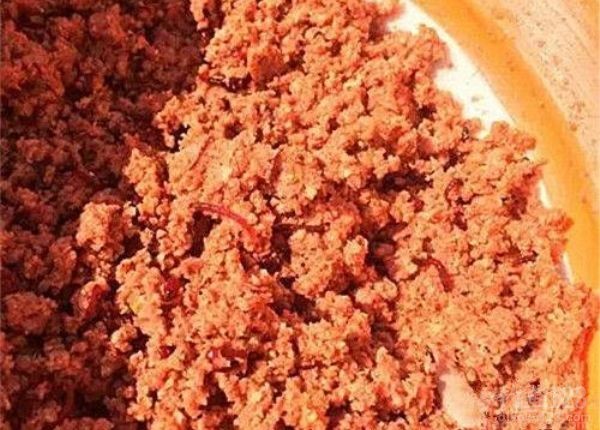
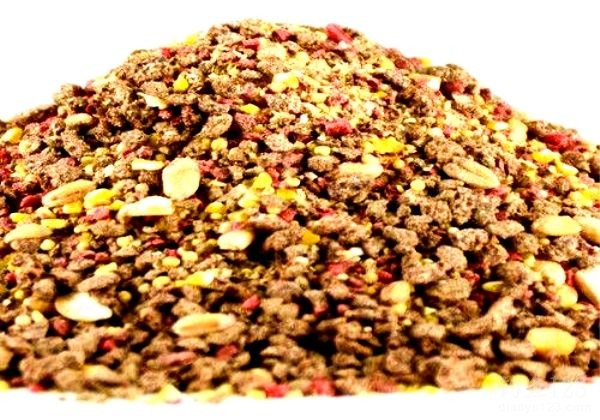
Groundbait isn’t just about “attracting fish”—it’s about creating a feeding zone that makes carp feel safe and eager to chow down. I used to throw random stuff like breadcrumbs or store-bought groundbait, but here’s the tea: pond carp love natural, familiar scents.
My go-to simple groundbait now? A bundle of fresh grass. Yep, that’s it. I grab a handful of the same grass that grows around the pond (no weird weeds—stick to what’s native!), tie it with a piece of string, and add a small rock to weigh it down. Toss that into your spot the night before or an hour before you fish, and boom—you’ll see carp cruising over to check it out. Why? Because it’s what they’re used to munching on every day.
Pro tip: If the pond owner feeds them corn regularly? Mix a few handfuls of corn into your grass bundle. Carp have a nose like a bloodhound—they’ll smell that sweet corn from a mile away and follow the scent trail straight to your hook.
The Big Bait Debate: Grass vs. Corn vs. Insects—What Actually Works?
Here’s where I messed up big time in that farm pond. I assumed “carp eat grass, so grass is always best”—wrong! Let’s break down the top baits, based on where you’re fishing:
1. Fresh Grass: The Classic (But Only If the Pond Feeds It)
I’ve fished ponds in the South where the owner dumps 50 pounds of grass clippings a week into the water. In those spots? Grass is gold. But here’s the catch: you can’t just hook a random blade of grass and call it a day. You need to tie it right so it stays on the hook and looks appetizing.
How I do it: Grab 2-3 tender grass blades (no tough stems!), roll them into a tiny ball about the size of my thumb, and hook through the center. Leave a little tail sticking out so it wiggles in the water. I’ve caught 10-pound carp in 10 minutes with this setup—no joke. But if the pond doesn’t feed grass? Save your time. Those carp will stare at your grass like it’s a foreign object.
2. Sweet Corn: The Universal Favorite (But Fresh is Key)
Okay, corn is the MVP of pond carp baits—fight me. I’ve used it in ponds across the Midwest, South, and even parts of the Northeast, and it almost always works. But here’s the hack: don’t use canned corn straight from the can. Cook it first! Boil a pot of water, toss in a handful of corn, and let it simmer for 5-10 minutes. The heat releases the sugars, making it way more fragrant.
How to hook it: Use 2-3 kernels, threading them onto the hook so they’re tight but not squished. I once had a carp steal a single kernel off my hook—so double up to be safe. Pro move: Add a drop of vanilla extract to your cooked corn. Carp go crazy for that sweet scent (don’t ask me why, but it works).
3. Insects: The Secret Weapon for Picky Ponds
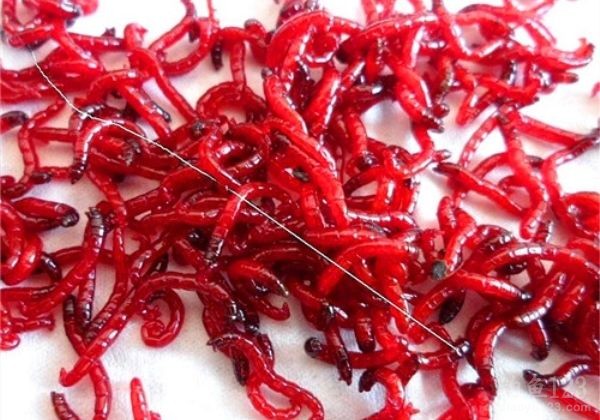
If grass and corn aren’t working? Grab some insects. Carp love live bugs—especially crickets, grasshoppers, and even small beetles. I once fished a pond where the owner only fed commercial fish food, and nothing else worked… until I caught a few grasshoppers from the nearby field. Within 5 minutes, I had a 12-pound carp on the line.
How to hook them: For live crickets, stick the hook through their tail (they’ll wiggle like crazy, which drives carp wild). For dead grasshoppers, hook through the back or head. Pro tip: If you don’t have live bugs, use fake plastic insects—some of the new ones look so real, carp can’t tell the difference.
Why Matching the Pond’s Diet is Non-Negotiable
Let me tell you a story that’ll make you believe this. Last summer, I fished two ponds 10 miles apart. Pond A: owner fed corn every morning. Pond B: owner fed grass clippings every evening.
First, I hit Pond A with grass—nada. Zilch. Not a single bite. Then I switched to corn? Caught 3 carp in 20 minutes.
Next, Pond B: I used corn—crickets again. Switched to grass? Caught 2 carp before my buddy even set up his rod.
Moral of the story? Talk to the pond owner first! Ask what they feed the carp. If you can’t ask? Observe the water. If you see carp munching on grass along the shore? Use grass. If you see them darting after bugs? Use insects. If you see corn floating around? Use corn. It’s that simple.
Hook Setup: Don’t Let Your Bait Go to Waste
Even if you have the perfect bait, a bad hook setup will make you miss every bite. Here’s the setup I swear by for pond carp:
- Hook: Size 6-10 carp hook (sharp! Dull hooks slip out easy)
- Line: 10-15 pound test monofilament (strong enough for big carp, thin enough to be invisible)
- Float: A small cork float (so you can see when a carp nibbles—they’re sneaky!)
- Weight: A tiny split shot (just enough to keep the bait at the right depth—carp usually feed near the surface or mid-water in ponds)
Pro tip: Don’t set the hook too hard! Carp have soft mouths, and a hard yank will tear the hook out. Wait until you feel a steady pull, then lift the rod gently—like you’re picking up a cup of coffee. Trust me, I’ve lost more carp than I can count by yanking too hard.
My Failures (So You Don’t Have To)
Let’s keep it real— I’ve had some epic fails. Like the time I used frozen grass (don’t do that! It gets mushy and gross). Or the time I used too much groundbait (carp got full on the groundbait and didn’t touch my hook). Or the time I forgot to sharpen my hook (duh—sharp hooks are non-negotiable).
Another fail: I once tried to use a “super fancy” carp bait from a fancy fishing store. It smelled like vanilla and garlic (weird, right?). The carp just swam around it like it was a toxic waste dump. Stick to natural—carp don’t care about your fancy scents.
Final Thoughts: It’s All About Observation
At the end of the day, carp fishing in ponds isn’t about fancy gear or expensive baits. It’s about watching the carp, listening to the pond owner, and being willing to switch things up if something isn’t working. I’ve caught more carp with a handful of corn and a $5 rod than I ever did with my $100 fancy setup.
Last week, I fished a pond where the owner fed leftover bread from the local bakery. I didn’t have bread, so I grabbed a piece of my sandwich (white bread, toasted—don’t judge). Hooked it, tossed it in, and caught a 15-pound carp in 10 minutes. Yep, that’s right—my lunch became carp food.
So next time you hit a pond? Ditch the fancy stuff. Talk to the owner. Grab some natural bait. And for the love of all things fishing, don’t forget to sharpen your hook. You’ll thank me later.