Best Spring Fishing Spots in Reservoirs: Key Features for Catching Big Spring Bass
Okay, let’s be real—spring fishing in reservoirs? It’s the ultimate vibe for any angler who’s been cooped up all winter. The ice melts, the water warms up, and suddenly every reservoir feels like a hidden treasure chest just waiting to spill big bass (or whatever you’re chasing). But here’s the thing: not all spots are created equal. Last year, I spent three weekends chasing bass in a mountain reservoir near my place, and let’s just say I learned more about bad spots than good ones. This year? I’m bringing the receipts. Let’s break down the best spring reservoir fishing spots and why they work—no fancy jargon, just real talk from someone who’s missed more casts than they’d like to admit.
Why Spring Reservoir Fishing Is *Chef’s Kiss* (But Tricky)
First off, let’s set the scene. Spring isn’t just “warmer weather”—it’s a biological reset for fish. Bass (and most freshwater species) are coming out of their winter slumber, hungry as hell, and ready to spawn. But here’s the catch: reservoirs are dynamic. One week, the water level’s up; the next, it’s dropped like a rock. That changes everything—from where the fish hide to what they’ll bite. I remember last March, I hit my go-to spot only to find the water so low, the “shallow cove” I loved was now a mudflat. Total facepalm. So flexibility is key, but knowing the right features? That’s your superpower.
Water Level: The Unspoken Rule That Rules All
Let’s get this out of the way first: water level is the boss. You can have the perfect spot, but if the water’s too high or too low? Game over. Mountain reservoirs (the ones I’m obsessed with) are total divas here. Last spring, the local dam released water like crazy for a hydro project, and suddenly all the shallow coves I’d fished in 2022 were 10 feet deeper. I wasted two hours casting into a spot that used to be 2 feet deep—total waste. Here’s the tea:
- Shallow spots (1-2m) are gold for early spring (March-April). Fish need warm water, and shallow areas heat up fast. But if the water’s super low? Those spots might be exposed mud—skip ’em.
- Late spring (May-June)? Water warms up everywhere, so fish might move to 3m+ depths. But don’t abandon shallow spots entirely—some might still hold spawning fish.
Pro tip: Check the dam’s water level updates before you go. I use a local app, but even a quick call to the park ranger saves you from driving 45 minutes for a mudflat. Trust me, I’ve been there.
Shallow Water: The Spring Bass Playground
Okay, let’s dive into the first big spot type: shallow water. Early spring, this is where the magic happens. Fish are cold-blooded—they need warmth to get their metabolism going. So shallow areas (think 1-2m) are like beachfront property for bass. But wait—*not all shallow spots are good*. Last year, I fished a shallow cove that was just open water—no structure, no weeds. Nada. Zero bites. Why? Because fish need cover. Duh, right? I’m still kicking myself for that.
So what makes a good shallow spot? Look for:
- Gradual slopes: Fish can move in and out easily if the water level drops.
- Cover (we’ll talk more about this later): Weeds, fallen trees, even rocks. Fish feel safe here.
- Proximity to deeper water: If it gets too warm, they can bolt to cooler depths.
I remember a spot last April: a shallow cove with a few fallen oak trees. I cast a small crankbait near the trees, and bam—first cast, 2-pound bass. Then another, then another. That spot was a goldmine because it had everything: warmth, cover, and easy access to deeper water. Total game-changer.
Water Inflows: The Bass Superhighway
Next up: water inflows. Rivers, streams, even small creeks that feed into the reservoir? These are bass magnets. Why? Because inflows bring fresh, oxygenated water (fish love that) and tons of food—bugs, small fish, even plant matter. Last May, I fished a creek inflow that had a small farm upstream. The water was a little murky (which is good for bass—they feel hidden), and every cast near the inflow mouth got a bite. I caught three 3-pounders that day—still have the photos to prove it.
What to Look for in Inflow Spots
Not all inflows are created equal. Here’s what to prioritize:
- Size: Larger inflows (like rivers) bring more food, but smaller creeks can be just as good if they’re consistent.
- Muddy vs. clear: Murky water is better for bass—they can ambush prey without being seen. If the inflow is super clear, look for cover nearby.
- Upstream features: If there’s a farm, pasture, or even a forest upstream, the inflow will bring more nutrients. That means more food, which means more bass.
Pro tip: Fish the edge of the inflow, not the middle. The current is strongest there, and bass will wait in the calmer water just outside to ambush prey. I made the mistake of casting right into the inflow once—all my lures got swept away. Oops.
Long vs. Short Inflow Coves (The “Long vs. Short” Debate)
Another thing about inflows: the coves they feed into. Long coves (the ones that stretch far into the shore) are way better than short ones. Why? Two reasons, from what I’ve seen:
- More “real estate”: Longer coves have more shallow areas, more cover, and more spots for fish to spawn.
- Fish memory: Bass are creatures of habit. If they spawned in a long cove last year, they’ll come back this year. It’s like their favorite vacation spot.
I tested this last spring: I fished a short cove (maybe 50 yards long) and a long cove (200 yards) next to it. The short cove? One small bass. The long cove? Five bass over 2 pounds. No contest. So skip the short ones—focus on the long, winding coves.
Weeds, Weeds, Weeds: The Bass Hideout
Let’s talk about the most important word in spring fishing: weeds. I can’t stress this enough—*fish love weeds*. There’s a old saying: “Fishing without weeds is like fishing in a desert.” Truer words were never spoken. Last year, I fished a spot with zero weeds—nada. Not a single bite. Then I moved to a weedy cove, and boom—first cast, a 2.5-pound bass. Weeds are like a five-star hotel for bass: they have food (bugs, small fish live in weeds), cover (hide from predators), and warmth (weeds absorb sunlight). What more could a bass want?
Types of Weeds to Look For
Not all weeds are good. Here’s what to target:
- Submerged weeds: These are the best—they grow under the water surface. Bass will hide right in the middle or along the edges.
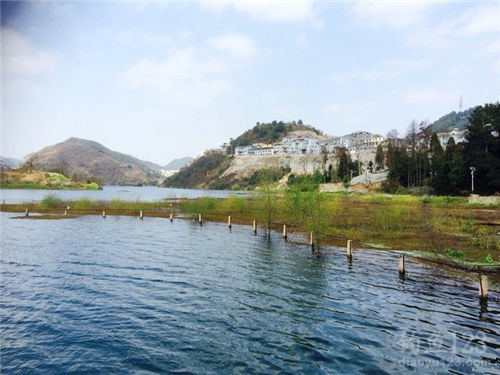
- Flooded vegetation: If the reservoir flooded last year, any plants (grass, weeds, even corn stalks) that are now underwater? Gold. These are called “flooded fields” or “wetlands,” and they’re bass magnets.
- Weed edges: The line where weeds meet open water is a prime ambush spot. Bass will wait here to jump out and grab prey.
Pro tip: If the weeds are super thick, you might need to use a weedless lure (like a Texas-rigged worm). I learned this the hard way—last year, I used a regular crankbait in thick weeds, and it got snagged 10 times in 15 minutes. Total frustration. Switching to a weedless worm saved the day.
Flooded Fields: The Hidden Gem
Let’s dive deeper into flooded fields. These are my absolute favorite spring spots. Last year, the reservoir flooded a cornfield from the year before. The corn stalks were still standing (well, floating) underwater, and every cast near the stalks got a bite. I caught a 4-pound bass there—my personal best. Here’s why flooded fields work:
- Food: The corn stalks and leftover crops attract bugs and small fish.
- Cover: Bass can hide between the stalks and ambush prey.
- Warmth: The shallow water over the field heats up fast in spring.
One thing to watch out for: flooded fields can be super shallow (1-2 feet). So use a lightweight lure or a float to keep it from snagging on the bottom. Also, be quiet—those shallow areas are sensitive, and any noise will scare the fish away. I once talked too loud in a flooded field, and the water erupted with bass fleeing. Oops. Lesson learned: whisper mode when fishing shallow flooded spots.
Beach Spots: The Underdog
Okay, let’s talk about beach spots—those gradual, sandy (or muddy) areas along the shore. Most people skip these, but they’re underrated. Why? Because in spring, the water warms up the sand/mud, which attracts small fish and bugs. Bass will patrol the edge of the beach, waiting to pick off easy prey.
I tested this last March: I fished a beach spot with a gradual slope. I used a small spinnerbait and cast parallel to the shore. Within 10 minutes, I caught two 1.5-pound bass. Not huge, but consistent. The key here is to fish the “drop-off”—the point where the beach suddenly gets deeper. That’s where bass will wait.
Pro tip: Look for small pockets in the beach—like a indentation or a pile of rocks. These are prime ambush spots. I once found a small pile of rocks at the end of a beach, and every cast there got a bite. Total hidden gem.
What to *Avoid* (Trust Me, I’ve Tried)
Let’s wrap this up with the spots to skip. Because let’s be real—wasting time on bad spots is the worst. Here’s what to avoid:
- Super shallow mudflats: If the water’s so low that the shore is just mud, skip it. No cover, no food—nothing.
- Open water with no cover: Bass need cover. If it’s just open water, they’re not there.
- Steep drop-offs with no gradual slope: Bass like to move in and out easily. Steep drop-offs are too abrupt—they’ll avoid them.
- High-traffic areas: If there are a lot of boats or swimmers, the fish will be spooked. Find a quiet cove instead.
Last year, I fished a steep drop-off near the dam. Not a single bite. Then I moved to a gradual slope 100 yards away, and boom—three bass in 20 minutes. Steep drop-offs are overrated in spring. Skip ’em.
Final Thoughts: It’s All About Experimentation
At the end of the day, spring reservoir fishing is all about experimentation. No two reservoirs are the same, and no two years are the same (thanks, water levels). Last year, my go-to spot was a flooded cornfield. This year? It might be a creek inflow. The key is to use the features we talked about—shallow water, inflows, weeds, beach spots—and adapt to the conditions.
One last thing: don’t be afraid to ask other anglers. Last spring, I met a guy at the reservoir who told me about a hidden flooded field. I went there the next day, and caught four bass over 3 pounds. Anglers are usually happy to share tips—just be polite. And if you catch a big one? Take a photo, but release it. The fish need to spawn, and we need them for next year.
So grab your rod, check the water level, and hit the reservoir. Spring is here, and the bass are waiting. Let’s go catch some fish!