Introduction: The Magic of Early Autumn Carp Fishing
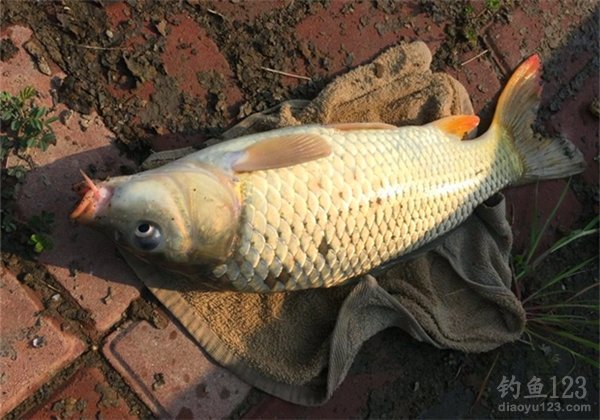
Hey fellow anglers! Can you believe it? Early autumn is finally here, and those sweltering dog days of summer are almost behind us. The air’s getting a tiny bit crisp, but wait—don’t get too excited yet! The temperature difference between morning, evening, and midday isn’t that big right now, so at first glance, it might not feel like much has changed for our carp fishing trips. But let me tell you, carp are sneaky little creatures, and as the season shifts, their habits start to tweak in ways that can make or break your day on the water. I’ve been hitting the reservoirs lately, and let me just say—so many people are coming back with coolers full of carp and grass carp! Those carp? Their bites are loud, like “plop plop” loud—you can’t miss ’em when they’re going for your bait. But to cash in on this autumn carp frenzy, you’ve got to adapt. So today, I’m spilling all the tips and tricks I’ve picked up (and some lessons I learned the hard way) about hand rod carp fishing in early autumn. Let’s dive in!

Early Autumn Carp Fishing: The Basics You Need to Know
First off, let’s get real—early autumn is chef’s kiss for carp fishing. The water’s still warm enough that aquatic life is booming, which means carp are chowing down like there’s no tomorrow. They’re in a feeding frenzy, prepping for the colder months ahead, so this is your golden window to reel in some big ones. But here’s the catch (pun totally intended): you can’t just show up with your summer gear and expect the same results. The weather’s getting more unpredictable, the carp’s feeding spots are shifting, and even their bait preferences are starting to lean a certain way. I’ve seen so many anglers show up unprepared lately—wrong bait, wrong spot, wrong tackle—and they leave empty-handed, muttering about “lazy carp.” Don’t be that guy! Let’s break down what you actually need to do.
Tip 1: Weather is Everything—Don’t Skip the Forecast!
Let me yell this from the rooftops: ALWAYS check the weather before you head out! Early autumn weather is like a moody teenager—one minute it’s sunny and calm, the next it’s pouring rain with a thunderstorm. And carp? They’re total weather snobs. Their activity level, where they hang out, and how much they eat all depend on the sky above. Let’s break down the best (and worst) weather scenarios:
- Sunny Days: Carp hate bright, harsh sunlight—they’re shy little guys! On sunny middays, forget the shallow spots. Head for shaded areas (like under tree canopies along the bank) or deeper water (10-15 feet deep is usually safe). The carp will hide there to avoid the glare. Wait until late afternoon or early evening when the sun dips low—then they’ll creep back to the shallows to feed. I learned this the hard way last week: I fished a shallow spot at noon on a sunny day, and after 3 hours of nothing, I moved to a shaded deep area. BAM—first cast, a 5-pound carp hit my bait!
- Rainy Days: Oh, rainy days are where it’s at! Especially after a heavy downpour or thunderstorm. The rain stirs up the water, washes all kinds of delicious bugs and plants into the lake/reservoir, and boosts oxygen levels. Carp go crazy for this—they become super active and start feeding aggressively. I once fished a reservoir right after a thunderstorm, and in 2 hours, I caught 4 carp! Just make sure you’re safe—don’t fish during the storm itself (lightning and water don’t mix, duh).
- Windy Days: Windy days can be hit or miss, but here’s the trick: fish with the wind at your back. The wind pushes food (like plankton, insects, and fallen leaves) to the downwind shore, so carp will gather there to feast. Just make sure your tackle can handle the wind—more on that later.
Pro tip: Use a reliable weather app that shows hourly forecasts and wind direction. I swear by my fishing weather app—it’s saved me from so many wasted trips.
Tip 2: Bait That Makes Carp Go Crazy in Early Autumn
Now, let’s talk bait—this is non-negotiable. In early autumn, carp’s taste buds start to shift from summer’s more protein-heavy baits to something a bit more… earthy. But wait—they’re still pretty flexible, so you can mix things up. Let’s break down the best baits:
- Natural Plant Baits: Carp love natural, grainy flavors this time of year. Fresh corn kernels? Yes. Cooked wheat grains? Absolutely. Boiled sweet potato chunks? Oh, they go wild for those. I once used boiled sweet potato as bait, and a carp hit it so hard my rod almost flew out of my hands! The key here is to keep it simple—wild carp are suspicious of fancy, artificial-smelling baits. The more natural, the better.
- Meaty Baits: Don’t write off meaty baits entirely! Carp are omnivores, so they still love worms, red worms, and small river shrimp. Especially if the water’s a bit cooler, they’ll crave that extra protein. I like to use worms as a backup—if the plant baits aren’t working, switch to worms and see what happens.
- Homemade Bait Mix: Want to make your own killer bait? Here’s my go-to recipe: mix corn kernels, cooked wheat, boiled sweet potato, some original pond pellets (if you know the pond uses them), and a bit of roasted cornmeal. Add a tiny bit of water to make it sticky, then roll it into balls. This bait works for carp and grass carp—win-win! I made this mix last weekend, and I caught 3 carp and 1 grass carp in 3 hours. It’s magic.
Pro tip: Don’t overcomplicate your bait. The simpler, the more natural, the better. Wild carp are skittish—if your bait smells like a chemical factory, they’ll swim right past it.
Tip 3: Tackle That Can Handle Early Autumn Carp’s Power
Early autumn carp are strong—like, really strong. They’re feeding a lot, so they’re bigger and more energetic, and when they hit your bait, they’ll put up a fight. If you’re using your summer tackle (thin lines, small hooks), you’re gonna lose fish. Trust me—I’ve had lines snap and hooks bend more times than I can count. Let’s get your tackle sorted:
- Line Setup: Go for a main line of 3.0 and a leader line of 2.5. This might seem thick, but trust me—carp can pull hard, and you don’t want to lose a big one because your line snapped. I use a braided main line for extra strength, but monofilament works too.
- Float: Use a float with a higher weight capacity (like 2-3 grams). Early autumn winds can be tricky, and a heavier float will stay stable in the water, so you won’t get false signals. I once used a tiny summer float on a windy day, and every time the wind blew, the float would dip— I thought I had bites, but it was just the wind. Total waste of time.
- Hooks: Go for strong, thick hooks. Size 2 New Kanto hooks or size 8 Iseini hooks are perfect. These hooks are tough enough to handle big carp without bending or breaking. I used to use smaller hooks, but I lost a huge carp once because the hook bent—never again.
- Hand Rod: Choose a rod with a 28-action (medium stiffness). This rod has enough backbone to fight big carp, but it’s soft enough to absorb their sudden pulls, so you won’t snap your line. I have a 28-action rod that’s my pride and joy— it’s saved me from so many lost fish.
Pro tip: Test your tackle before you head out. Check your lines for frays, make sure your hooks are sharp, and adjust your float’s weight. A little prep goes a long way.
Tip 4: Finding the Perfect Spot to Catch Carp
You can have the best bait and tackle in the world, but if you’re fishing in the wrong spot, you’re wasting your time. Early autumn carp change their hiding spots, so here’s where to look:
- Shaded Areas: As I mentioned earlier, carp hate bright sunlight. So look for spots under trees, bridges, or docks—anywhere with shade. These are their go-to hiding spots during midday.
- Deep Water Near Shallow Areas: Carp like to hang out in deep water when it’s bright, but they’ll move to shallow water to feed when the sun is low. So find a spot where deep water meets shallow water—this is a carp highway.
- Downwind Shores: Wind pushes food to the downwind shore, so carp will gather there to eat. I always check the wind direction before I pick a spot—downwind is usually a winner.
- Areas with Aquatic Plants: Aquatic plants are like a carp’s grocery store—they have bugs, small fish, and plants to eat. Just be careful not to get your line tangled in the plants.
Pro tip: Walk around the lake/reservoir before you set up. Look for signs of carp—like ripples on the water, or carp jumping out of the water. If you see that, set up there immediately.
Final Thoughts: Enjoy the Early Autumn Carp Fishing Season
Early autumn carp fishing with a hand rod is such a joy—there’s nothing like feeling that strong tug on your line, reeling in a big carp, and watching the sunset over the water. But remember: adaptability is key. Check the weather, use the right bait, pick the perfect spot, and make sure your tackle is up to the task. I’ve had days where everything went wrong (like when I forgot my bait and had to use a snack bar—don’t ask), but when everything clicks? It’s magical. So grab your gear, head to the water, and put these tips to the test. And hey—if you catch a big one, take a photo and tag me (just kidding, but I’d love to hear your stories!). Happy fishing, everyone!