


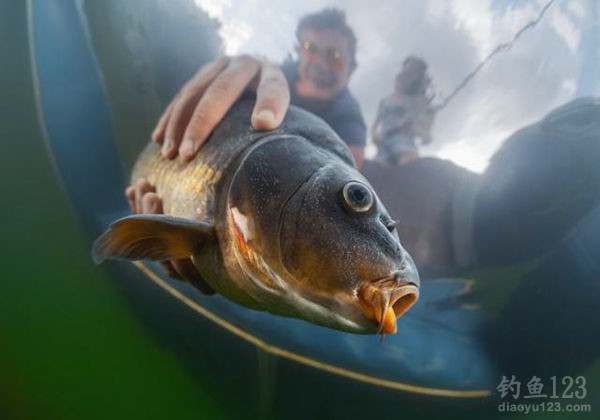
Fall Fishing: Master These 4 “Flexible” Tips for a Bountiful Catch
Ah, fall—crisp air, clear water, and fish that are basically on a feeding frenzy. Let me tell you, there’s nothing quite like grabbing your rod and heading out when the leaves are turning and the water’s cooling down. Fish are prepping for winter, so they’re eating like there’s no tomorrow. More food = more bites, right? But here’s the thing: fall fishing isn’t just about showing up. You’ve got to be flexible. I’ve learned that the hard way—wasting hours in the wrong spot or using the wrong bait because I stuck to old habits. So today, I’m spilling the tea on the 4 flexible tips that’ll turn your fall fishing trips from “meh” to “whoa, that’s a big one!”

1. Flexible Weather Choices
Let’s start with the basics: weather. In other seasons, you’re basically held hostage by the forecast. Too hot? Fish hide. Too cold? They slow down. But fall? It’s like Mother Nature decided to cut us anglers some slack. The air’s cool, the pressure’s steady, and fish are active almost no matter what (as long as it’s not a tornado or something). I remember one weekend last fall—I checked the weather and it said “light rain all day.” I almost bailed, but my buddy dragged me out. Turns out, those raindrops were like a dinner bell for bass. We caught more that day than we had all month! So here’s the rule: skip the extreme stuff (thunderstorms, blizzards—duh), but don’t overthink the rest.
Best Fall Fishing Weather
- Breezy days: Wind stirs up the water, moves food around, and makes fish feel safe. Plus, it keeps the bugs away—win-win!
- Cloudy or light rain: Overcast skies mean less sunlight, so fish don’t have to hide from predators. They’ll cruise around more, looking for snacks.
- After heavy rain: Rain washes bugs, worms, and other tasty treats into the water. Fish go crazy for that free food. Just wait an hour or two after the rain stops so the water clears a bit.
- Anytime (almost): Morning, noon, night—fall fish don’t care. I’ve caught big catfish at 2 PM on a sunny day and trout at dawn on a cool morning. The key is to not limit yourself to “prime times” like you do in summer.
2. Flexible Spot Selection
Fall fish are on a mission: eat as much as possible. So they’re not just hanging out in their usual spots—they’re roaming the whole lake or river looking for food. That means your spot options just blew up! I used to be a total “spot snob” in summer—only fishing the same deep hole or weed bed. But fall? I’ve caught fish in the weirdest places: a shallow cove I thought was too small, a rocky shoreline I’d never noticed, even near a dock where kids were feeding ducks (pro tip: ducks = free fish food). The trick is to follow the food, not the “rules.”
Top Fall Fishing Spots
- Points and peninsulas: These are like fish highways. They connect shallow and deep water, so fish use them to move between feeding and resting areas. Cast along the edge—you’ll almost always get a bite.
- Narrow channels or lake/river junctions: Fish love tight spaces because food gets funneled through them. Think of it as a drive-thru for fish—they can’t resist.
- Weedy areas: Weeds hold bugs, small fish, and other snacks. Even if the weeds are starting to die off, they’re still a goldmine. Just use a weedless hook so you don’t get stuck every 2 seconds (trust me, I’ve been there).
- Inlets or outlets: Moving water brings fresh oxygen and food. Fish will camp out here, waiting for snacks to drift by. I once fished a small creek inlet and caught 15 bluegill in 30 minutes—no joke.
- Downwind shores: Wind pushes food (plankton, bugs, small fish) to the downwind side of the water. Fish know this, so they’ll be there waiting. Just be prepared for a little extra work casting against the wind.
3. Flexible Bait Choices
Fall fish are not picky eaters. They’re so focused on fattening up that they’ll chomp on almost anything. That means you can get creative with your bait—no need to stick to the same old lures or worms. I love mixing it up: one day I’ll use corn (yes, corn—fish go nuts for it in fall), the next I’ll switch to a live worm, and the next I’ll toss a crankbait. The key is to match what’s naturally in the water. If there are a lot of grasshoppers around, use a grasshopper lure. If the water has a lot of small minnows, try a minnow imitation. And don’t forget to adjust as the season goes on!
Best Fall Fishing Bait
- Natural baits: Worms, minnows, grasshoppers, and crickets are always a safe bet. Fish are used to eating these, so they’ll hit them hard. I keep a jar of worms in my tackle box year-round, but fall is when they really shine.
- Vegetable baits: Corn, sweet potatoes, and even bread work surprisingly well. I once used a piece of roasted sweet potato (leftover from dinner) and caught a huge carp. The fish probably thought it was a gourmet meal!
- Lures: Spinners, crankbaits, and soft plastics are great for covering more water. If you’re fishing a big lake, a crankbait that dives deep can help you find where the fish are hiding. For smaller streams, a small spinner will attract trout and bass.
- Adjust for late fall: As the water gets colder (late October/November), fish slow down a bit. Switch to slower-moving baits like jigs or soft plastics. You can also add a little scent (like garlic or anise) to make the bait more appealing.
4. Flexible Fishing Methods
Fall is the time to break out all your tricks. Different spots, different fish, different weather—so why use the same method every time? I used to only use spinning gear, but fall made me a convert to fly fishing (for trout) and even bowfishing (for carp). The key is to match your method to the water and the fish you’re targeting. Here’s how to mix it up:
Top Fall Fishing Methods
- Spin fishing: Perfect for most situations—lakes, rivers, streams. Use a light rod for small fish (trout, bluegill) and a heavier rod for bass or catfish. I like to use a 6-foot medium rod for all-around fishing.
- Fly fishing: Great for trout in cool streams. Fall trout are aggressive, so a dry fly (like an elk hair caddis) will get their attention. I’m not a pro at fly fishing, but I’ve had success with simple casts—just keep it natural.
- Bowfishing: If you’re into something more active, bowfishing for carp or gar is a blast. Fall carp are big and slow, so they’re easy targets. Just make sure you have the right gear (a bowfishing reel, heavy arrows) and follow local rules.
- Adjust depth: In early fall, fish might be in shallow water (1-3 feet) feeding on bugs. By mid-fall, they’ll move to deeper water (5-10 feet) as the temperature drops. Late fall? Go even deeper (10+ feet) where the water is warmer. I use a depth finder to check, but if you don’t have one, just experiment—cast shallow, then deep, until you find the fish.
So there you have it—my 4 flexible fall fishing tips. The best part? You don’t have to be a pro to use them. Just keep an open mind, try new things, and don’t get frustrated if one spot or bait doesn’t work. Fall is all about adaptability. Next time you head out, remember: the fish are hungry, the weather’s good, and the spots are endless. Now go grab your rod and catch some fish—you’ve earned it!


