Fishing Gear Maintenance & Repair: Timely Tips to Keep Your Tackle in Top Shape
Let’s be real—nothing kills a fishing trip faster than a broken rod mid-catch or a tangled line that’s seen better days. I’ve been there: last summer, I was reeling in a monster bass when my rod’s tip section snapped like a twig. Why? Because I’d skipped cleaning it after a rainy trip the week before. Total bummer. That’s why today, we’re diving into fishing gear maintenance and repair—the boring stuff that actually makes your next outing way more fun. No fancy jargon, just real tips from someone who’s messed up enough to know better.
Why Timely Fishing Gear Maintenance Matters (Spoiler: It Saves You Money & Frustration)
First off, let’s get one thing straight: ignoring your tackle’s upkeep isn’t just lazy—it’s expensive. A $20 rod repair can turn into a $100 replacement if you let cracks fester. And let’s not forget the worst part: missing out on a big catch because your gear fails. I once watched a friend lose a 20-pound catfish because his line had a tiny nick he didn’t notice. Ugh. So here’s the deal: regular maintenance = more fish, less stress, and a longer lifespan for your favorite tools.
1. Rod Maintenance: The Backbone of Your Tackle
Your fishing rod is like your fishing BFF—treat it right, and it’ll stick with you through thick and thin (and slimy fish). Let’s break down the do’s and don’ts, plus easy repairs you can do at home.
Assembly & Disassembly: Do It Right (No More Snapped Sections!)
First rule of rod care: never force sections together. I’ve seen so many new anglers jam the tip into the butt section like they’re building a Lego set—stop that! Here’s the correct way:
- Start with the tip section (the thinnest one) and work your way up to the butt (the thickest). Twist each section gently until it clicks into place—no brute force needed.
- When disassembling, go backwards: start with the butt section and pull each section straight out (don’t twist!). This prevents cracking the ferrules (the little connector parts).
Pro tip: If a section gets stuck? Don’t yank! Wrap a towel around the stuck part and twist lightly—heat from your hand might help loosen it. I learned this the hard way when I broke a $50 rod trying to force a stuck section. Ouch.
Cleaning After Rain or Mud: Don’t Let Sludge Ruin Your Rod
Rainy days are great for fishing… but terrible for your rod if you skip cleaning. Last month, I fished a muddy lake in the rain, tossed my rod in the truck, and forgot about it. Two days later, I pulled it out to find mold growing on the cork handle and mud caked in the ferrules. Gross. Here’s how to fix that:
- After a wet/muddy trip: Wipe every section with a dry, soft cloth (old cotton t-shirts work great). Pay extra attention to the ferrules—mud here causes cracks over time.
- Lay the sections flat in a cool, dry place (not in direct sunlight—UV rays ruin rod finishes!). Let them air dry completely before storing.
Fixing Common Rod Issues: Ferrules, Wraps, & Cracks
Even with good care, small issues pop up. Here’s how to handle them at home (no need to run to the tackle shop every time):
- Ferrule wear (black paint chipping): If the black paint on the ferrules is peeling, that means friction is increasing (which leads to cracks). Grab some rod finish (you can get it at any tackle shop) and a small brush. Lightly sand the area with fine-grit sandpaper, wipe clean, then apply a thin coat of finish. Let it dry overnight—done!
- Broken wraps (the thread around the rod guides): Wraps break from snags or rough handling. To fix: Cut off the old wrap with scissors, clean the area with rubbing alcohol, then wrap new rod thread (match the color!) tightly around the guide base. Secure with a drop of rod finish and let dry. I’ve fixed 3 of my rods this way—saves $20 each time!
- Cracked sections: If a section has multiple cracks (not just a tiny chip), it’s time to replace it. Most rod manufacturers sell replacement sections—just measure the length and diameter of the cracked part. Pro tip: Keep a spare tip section in your tackle box—they break the most!
2. Line, Hook, & Tackle Maintenance: The Little Things That Matter Most
Your line is the link between you and the fish—if it’s weak, you’ll lose catches. I once lost a 15-pound trout because my line had a nick from a rock I didn’t see. Ugh. Let’s make sure that doesn’t happen to you.
Line Care: Check, Clean, & Replace (Don’t Be Cheap!)
Line is cheap—replacing it regularly is not a waste. Here’s my routine:
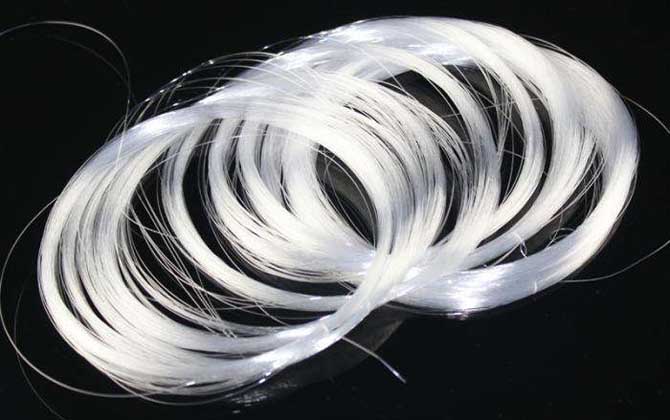
- Check for nicks/kinks: Run the line between your thumb and forefinger. If you feel any bumps, rough spots, or kinks, cut that section off (or replace the whole spool if it’s bad). Pro tip: Do this every time you finish fishing—takes 2 minutes!
- Clean the line: After a trip, wipe the line with a damp cloth to remove slime, dirt, or salt (if saltwater fishing). Salt is especially bad—it corroded my line once and I didn’t notice until it snapped mid-catch.
- Replace often: Monofilament line lasts 1-2 years; fluorocarbon lasts 2-3 years. Don’t keep line for 5 years “just because it looks okay”—it’s not worth losing a big fish.
Hook & Tackle Upkeep: Don’t Let Rust Ruin Your Catch
Hooks, swivels, and snaps get rusty—especially if you fish in saltwater or wet areas. Here’s how to keep them sharp and strong:
- Clean hooks after every trip: Wipe them with a dry cloth, then dip in a small bowl of rust remover (or even vinegar—works in a pinch!). Rinse with water and dry completely.
- Sharpen hooks regularly: A dull hook won’t set in a fish’s mouth. Use a hook file or sharpening stone—run it along the hook’s point at a 30-degree angle 3-5 times. Test it by pricking your thumbnail (if it catches, it’s sharp enough).
- Replace rusty tackle: If a hook has deep rust or a snap is stuck, toss it. Rusty tackle can break mid-catch—trust me, I’ve had a snap fail on a 10-pound bass. Total heartbreak.
3. Net & Fish Holder Maintenance: Don’t Let Your Catch Escape!
Your net or fish holder might seem like a “throwaway” tool, but if it’s broken, your catch will get away. I once had a net with a small hole—lost a 1-pound catfish because it slipped through. Ugh. Here’s how to keep them in shape:
Net Care: Patch Holes & Prevent Rot
Nets (especially rubber nets) get holes from snags or sharp fish teeth. Here’s how to fix them:
- Patch small holes: For rubber nets, use a rubber patch (you can get them at hardware stores) or even a hot glue gun (works for tiny holes). For nylon nets, use nylon thread to sew the hole closed.
- Clean & dry completely: After fishing, rinse the net with fresh water to remove slime and dirt. Hang it in a cool, dry place (not in the sun—UV rays break down rubber/nylon).
- Check for fraying: If the net’s edges are fraying, trim the loose threads and apply a drop of super glue to prevent more fraying. I’ve done this for my net—saved me $40 on a new one!
Fish Holder (Stringer/Bucket) Upkeep: Prevent Odors & Rot
Stringers and buckets get stinky fast—here’s how to keep them usable:
- Clean after every use: For stringers, soak them in a bucket of water with dish soap for 30 minutes, then rinse. For buckets, scrub with a brush and soap to remove slime.
- Disinfect monthly: Use a 1:1 ratio of water to bleach to kill bacteria (prevents odors and rot). Rinse really well before using again—you don’t want bleach on your fish!
My Go-To Gear Maintenance Routine (Takes 15 Minutes Post-Trip!)
I’m not a “spend 2 hours cleaning gear” kind of guy—life’s too short. So I made a 15-minute routine that keeps my tackle in top shape. Here’s what I do:
- Wipe down my rod sections with a dry cloth (check ferrules for mud).
- Run my line between my fingers to check for nicks—cut off any bad sections.
- Wipe hooks and snaps with a dry cloth (dip in vinegar if they’re rusty).
- Rinse my net with fresh water and hang it to dry.
- Store my rod in a hard case (not a soft bag—soft bags let sections rub together).
That’s it! Takes 15 minutes, tops. And it’s saved me hundreds of dollars in replacements over the years.
Final Thought: Maintenance Isn’t Boring—It’s Your Ticket to More Fish
Look, I get it—cleaning your rod after a long day of fishing is the last thing you want to do. But trust me: the next time you’re reeling in a monster and your gear doesn’t fail? You’ll thank me. I once skipped cleaning my rod for 3 weeks, and it cost me a $120 replacement. Now I do my 15-minute routine every time—no exceptions.
What’s your worst gear fail story? Drop it in the comments below—I’d love to hear (and maybe learn from it!). And if you have any DIY repair tips I missed, share those too! Let’s all catch more fish (and break less gear) together.



![What Rod Do You Need to Catch a 200-Pound Sturgeon? [Expert Gear Breakdown]](https://anglerstories.com/images/fishinggear&equipment/kfzfaufbjph2752.jpg "What Rod Do You Need to Catch a 200-Pound Sturgeon? [Expert Gear Breakdown]")