How Many Times Can You Use a Fiberglass Fishing Rod? A Real Fisherman’s Breakdown
Let’s cut to the chase: I’ve had the same beat-up fiberglass rod since I was 12. It’s got scratches, a slightly bent tip, and the handle’s so worn it’s basically part of my hand. My buddy swears by his carbon fiber rod that cost 10 bucks—but mine? I think I paid 19 yuan for it back in the day (okay, fine, maybe like $15 USD). The question everyone asks when they see it? “How many times can you actually use that thing before it breaks?” Today, I’m spilling the tea—no fancy jargon, just real fishing life.

First, Let’s Get One Thing Straight: What Is a Fiberglass Fishing Rod?
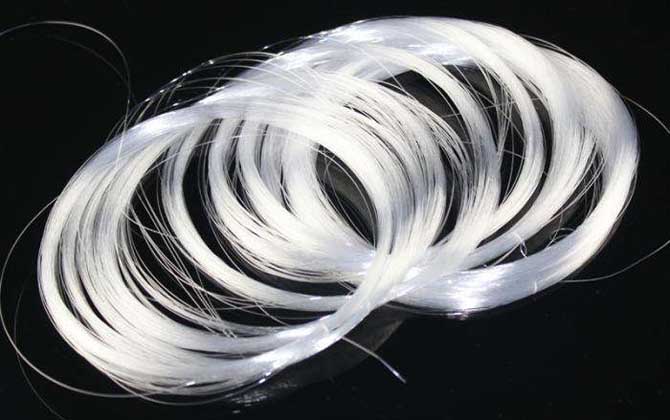
Before we dive into “how many uses,” let’s cover the basics (skip this if you’re a gear nerd, but stick around—you might learn something). Fiberglass rods aren’t just “plastic with glass bits.” They’re a composite: tiny glass fibers woven together, glued with resin (think super strong glue). Back in the day, this was a game-changer.
Imagine before fiberglass: you had bamboo rods. Bamboo’s cool, but it’s heavy, breaks if you yank too hard, and rots if you leave it in the rain. Fiberglass changed all that. Suddenly, you could cast farther, fight bigger fish, and not worry about your rod turning into a soggy stick. But then carbon fiber came along—lighter, stiffer, fancier—and everyone forgot about fiberglass. But here’s the secret: fiberglass never left. It’s the workhorse of the fishing world.
The Big Question: How Many Times Can You Use a Fiberglass Fishing Rod?
Okay, let’s get to the juicy part. I’ve used my fiberglass rod for countless trips. Spring bass fishing at the local lake, fall salmon runs up north, even a few dumb trips where I tried to yank a 20-pound catfish out of a muddy pond (don’t do that—my rod survived, but my pride didn’t). So how many times? Let’s break it down.
First, let’s talk about not breaking it. Fiberglass is tough. Like, “drop it in the truck bed, leave it in the sun for a week, step on it by accident” tough. My old rod has been through all that. But here’s the thing: it’s not unbreakable. If you use it as a paddle (I’ve done that, oops), or lean it against a tree and a deer rubs on it (yes, that happened), or yank a fish so hard the rod bends past 90 degrees (guilty), it will eventually give. But under normal use? Let’s do the math.
Suppose you fish 20 times a year. If you take care of it, that’s 20 years of fishing—400 uses? Maybe more. I know guys who have fiberglass rods from the 1980s that still work. My dad’s old rod? He used it for 30 years before he gave it to me. Now I’m using it. So the answer isn’t a “number”—it’s about how you treat it. But let’s be real: if you’re a casual fisherman (once a month, 12 times a year), that rod could last you 20 years. That’s 240 uses. If you’re a diehard (every weekend, 50 times a year), 10 years is 500 uses. But here’s the kicker: even if it breaks, fiberglass is cheap to fix. Carbon fiber? If it snaps, you’re buying a new one. Fiberglass? You can glue the tip back on for 5 bucks.

Fiberglass vs. Carbon Fiber: Why Fiberglass Lasts Longer (Even If It’s Not Fancy)
Let’s be honest: carbon fiber rods are lighter. They feel like you’re holding air. But here’s the catch (pun intended): carbon fiber is brittle. If you nick it, or bend it too far, it snaps like a twig. Fiberglass? It bends. A lot. That’s why it’s so durable. Let’s break down the real differences (no gear website lies here):
1. Weight: Fiberglass = Heavy, But Not a Burden
Let’s get real: a 4.5-meter fiberglass rod weighs 150-200 grams. A carbon fiber rod of the same length? 50-80 grams. That’s a big difference if you’re casting all day. But here’s the thing: if you’re not fishing for 8 hours straight, the weight doesn’t matter. I’ve fished 6 hours straight with my fiberglass rod (yes, I’m a nerd) and my arm was sore, but it wasn’t because of the rod—it was because I was an idiot. For casual fishing? The weight is totally fine. And hey, the extra weight might even help you cast farther if you’re a beginner (more momentum).
2. Strength: Fiberglass = “I Can Hit a Rock and It Won’t Break”
Carbon fiber has higher “tensile strength” (meaning it can hold more weight without breaking) if it’s high-quality. But cheap carbon fiber? It’s garbage. I’ve seen a 20-pound catfish snap a $5 carbon fiber rod like it was nothing. My fiberglass rod? It bent so far I thought it would break, but it didn’t. The fish got away, but the rod survived. Fiberglass is “forgiving.” Carbon fiber is “if you mess up, you’re screwed.”
3. Conductivity: Fiberglass = Safe in a Thunderstorm (Carbon Fiber = Not)
This is a big one. Carbon fiber conducts electricity. Like, really well. If you’re fishing in a thunderstorm and you hold a carbon fiber rod up? You’re basically a human lightning rod. I’ve heard horror stories (okay, maybe not horror, but scary) of guys getting zapped because they didn’t know. Fiberglass? It’s almost 100% non-conductive. So if you’re like me and sometimes fish when it’s drizzling (don’t judge), fiberglass is way safer.
4. Price: Fiberglass = Cheap as Chips
Let’s talk money. A good carbon fiber rod? $100+. A great one? $500+. A fiberglass rod? $15-$30. I bought my first fiberglass rod with allowance money. My buddy bought a carbon fiber rod and cried when he broke it (okay, he didn’t cry, but he complained for a month). If you’re a kid, or a beginner, or just don’t want to drop a bunch of cash on gear? Fiberglass is the way to go.

How to Make Your Fiberglass Rod Last Forever (Okay, Almost)
So you want your fiberglass rod to outlive you? (Okay, maybe not, but to last 20+ years?) Here are my real tips—no fancy “gear care” nonsense:
- Don’t leave it in the sun. Sunlight breaks down the resin over time. I keep mine in a rod sleeve (you can get one for $10) and store it in the basement, not the garage.
- Clean it after every use. Saltwater is the enemy. If you fish in saltwater, rinse the rod with fresh water (no soap!) and dry it with a towel. Freshwater? Just wipe it down with a wet cloth.
- Don’t lean it against things. I’ve seen so many rods break because someone leaned them against a tree and a dog ran into them. Hang it on a wall hook, or lay it flat in a rod rack.
- Don’t use it as a weapon. I know, it’s tempting to whack a snake (or a buddy who’s teasing you) with it. Don’t. Fiberglass is tough, but it’s not a baseball bat.
- Fix small problems early. If the tip starts to come loose? Glue it back on. If the handle gets wet? Dry it out. Small fixes = no big breaks.
My Final Thought: Fiberglass Rods Are the “Old Faithful” of Fishing
Here’s the thing: I love my fiberglass rod. It’s not fancy. It’s not light. But it’s mine. It’s been with me through every big fish (and every small one), every bad day at the lake, every time I’ve forgotten my tackle box and had to use a stick as a net. My buddy’s carbon fiber rod is cool, but it’s just a rod. My fiberglass rod? It’s a memory holder.
So to answer the question: how many times can you use a fiberglass fishing rod? It’s not a number. It’s until you decide to stop using it. Or until you lose it (I’ve almost lost mine three times). If you take care of it, it could last you 20 years. If you don’t? Maybe 2. But here’s the secret: even if it breaks, you can buy a new one for $15. So why stress?
Last week, I took my old fiberglass rod out to the lake. Caught a 3-pound bass. The rod bent, the line screamed, and I laughed like a kid. My buddy was there with his carbon fiber rod, and he caught nothing. (Okay, he caught a sunfish, but whatever.) At the end of the day, we both had fun. But my rod? It had another story to tell.
So if you’re thinking about buying a fiberglass rod? Do it. If you have one and you’re worried it’s going to break? Don’t. It’s tougher than you think. And if you ever see me at the lake with my beat-up old rod? Come say hi. I’ll show you how to cast it like a pro (or at least like someone who’s been doing it for 15 years).