Natural Seasonal Fishing Bait: Fresh Green Corn (Young Corn) – A Angler’s Secret Weapon
Let’s cut to the chase: if you’re a freshwater angler who’s tired of dropping cash on fancy store-bought baits that don’t always deliver, you need to listen up. I’m talking about fresh green corn—young corn, the kind that’s still plump, juicy, and practically oozes that sweet, earthy scent fish go crazy for. Now, I know what you’re thinking: “Corn? Really? I’ve used canned corn before, and it’s hit or miss.” But hold on—we’re not talking about the canned stuff that’s been sitting on a shelf for months. We’re talking about seasonal, local green corn—the kind that’s picked right when it’s peak perfection, and it’s a game-changer. Let me break this down for you, because I’ve spent way too many weekends testing this stuff, and the results? Let’s just say my freezer’s now stocked with more carp and catfish than I can eat (not that I’m complaining).
First: Know Your Green Corn (Because Not All Young Corn Is Created Equal)
Before we dive into how to use it, let’s get one thing straight: there are two main types of green corn you’ll run into, and only one is worth your time for fishing. Trust me—using the wrong kind is like showing up to a bass tournament with a fly rod and no flies. Total fail.
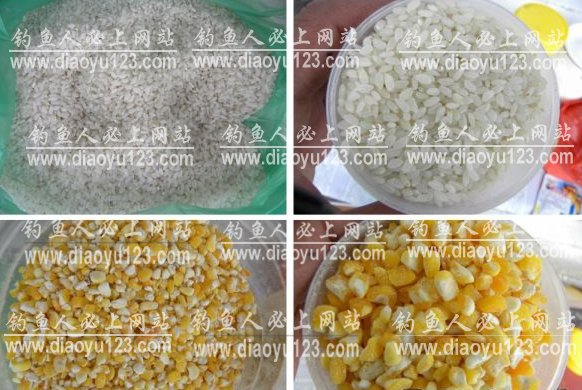
- The “snack” corn: This is the stuff you see in grocery stores year-round—milky white, tiny kernels, and usually not super plump. Yeah, it’s good for nibbling on, but for fishing? It’s garbage. The kernels are too small, they fall off the hook easy, and they don’t have that strong, natural scent fish crave. Save this for your summer picnics, not your tackle box.
- The “field corn” green stage: This is the good stuff. It’s golden yellow (or sometimes pale yellow, but still vibrant), big, plump kernels, and if you squeeze one, it’ll squirt a milky white juice all over your fingers. This is the corn that farmers grow for grain, but when it’s young and tender? It’s a fish magnet. And here’s the kicker: it’s only available in the fall (depending on where you live). That’s when the corn’s fully “milked” (filled with that sweet juice) but not hard yet. Perfect timing, because that’s also when freshwater fish are stuffing their faces to bulk up for winter. Coincidence? I think not.
Pro tip from my buddy who’s a farmer: “Local green corn is better than any imported stuff.” Why? Because fish in your area are used to eating the plants that grow nearby. If you use corn from 50 miles away, it might not smell or taste like what they’re used to. But local green corn? It’s like a home-cooked meal for them. That’s why the old-timers always say, “Local corn for local fish.” They weren’t kidding.
Why Green Corn Works So Well (Spoiler: It’s All About the Senses)
Let’s get scientific for a second (but not too much—we’re anglers, not lab geeks). Fish have amazing senses of smell and taste. That milky juice in green corn? It’s packed with sugars and amino acids—exactly the kind of stuff fish go nuts for. And the bright yellow color? It stands out in murky water, so fish can spot it from a mile away. Plus, the texture is soft enough that when a fish nibbles, it doesn’t feel like a rock (looking at you, canned corn). It’s like a little sweet treat that’s too good to pass up.
I once had a day where I was using store-bought boilies (those fancy dough balls) and catching nothing. Zero. Nada. Then I remembered I had a bag of local green corn in my cooler (I’d grabbed it from a farm stand on the way). I switched to a single kernel on my hook, and within 10 minutes? Bam—a 12-pound carp. Then another. Then a catfish. By the end of the day, I’d caught more fish than the entire group of guys next to me who were using $2 boilies. No joke. That’s the power of green corn.
How to Use Green Corn: 2 Game-Changing Methods (With Pro Tips)
Okay, so you’ve got the right green corn. Now what? You don’t just stick a kernel on a hook and hope for the best (though that works sometimes). Let’s break down the two main ways to use it—whole kernels and corn cakes (or “corn patties”). Both work, but they’re better for different situations.
Method 1: Whole Green Corn Kernels (For Rod & Reel or Spinning Rod)
Whole kernels are my go-to for most freshwater fishing—carp, catfish, bass, even panfish like bluegill. But you’ve got to do it right. Here’s how:
1.1 For Rod & Reel (Float Fishing)
First off: you need to chum. No chum, no fish. Trust me. I’ve tried skipping it, and it’s a waste of time. Here’s how to chum:
- Take 2-3 green corn cobs, and use your teeth (or a knife, but teeth are faster) to pop off the kernels. You don’t need a ton—just enough to make a little pile near your float.
- Throw the kernels right next to your float (not 10 feet away—close enough that the fish will swim right to your bait). Wait 30 minutes. That’s how long it takes for the fish to smell the chum and show up. I once waited 20 minutes and thought, “This is stupid,” then 5 minutes later? A huge carp hit my line so hard my rod almost went into the water. Patience pays off.
Now for the bait itself: use the ends of the corn cob. The kernels on the ends are either smaller (for panfish) or bigger (for big carp/bass). Why? Because:
- Big kernels = big hooks = big fish. I use a size 4 hook for big carp, and a size 8 for bluegill. Match the kernel to the hook, and the fish to the kernel.
- Smaller kernels = less likely to fall off. The ends of the cob have tighter kernels, so they stay on the hook better when you cast.
How to hook it? Simple: stick the hook through the skin of the kernel (not the soft part). If you go through the soft part, it’ll squish and fall off when you cast. Stick the hook through the skin, and twist it a little—this keeps it on tight. I once cast a kernel 50 feet and it didn’t move. Perfect.
1.2 For Spinning Rod (Casting)
Spinning rods are great for covering more water, but you’ve got to be smarter with the kernels. Here’s what to do:
- Use the middle kernels of the cob. They’re flat, regular size, and perfect for casting. The ends are too small or too big—middle is just right.
- Hook it the right way: go in from the right side of the kernel (if you’re looking at the flat side) and out the left. Why? Because when a fish bites, the hook will pop through the skin and into the fish’s mouth. If you hook it the wrong way, the kernel will just slide off, and you’ll hear the reel click… then nothing. I learned this the hard way—lost 3 fish in one day because I hooked it backwards. Don’t be me.
- Chum too! Use a slingshot (yes, a slingshot) to shoot 10-15 small kernels to where you’re casting. This gets the fish’s attention. I keep a cheap slingshot in my tackle box just for this. Works like a charm.
- Bonus: If you’re using a “bomb hook” (the kind with a cluster of hooks), put 1-2 green kernels on the main hook. The rest of the cluster can have bread or something, but the green corn will be the “cherry on top” that makes the fish bite. I caught a 15-pound catfish doing this last month—total surprise, but awesome.
Method 2: Corn Cakes (For “Smart” Fish or Open Ponds)
Corn cakes (or “corn patties”) are the secret weapon for sluggish fish—the ones that’ve been caught a million times and are scared of everything. You know the ones: they’ll nibble at your bait but never bite. Corn cakes fix that because they’re all natural—no weird chemicals, no artificial scents. Just pure green corn goodness.
Here’s how to make them (it’s super easy, even if you’re not a chef):
- Pop off all the kernels from 2-3 green corn cobs. Put them in a bowl.
- Add ½ cup of water (for every 2 cobs). Not too much—you want a thick, soupy mix, not watery.
- Blend it up! Use a blender or a food processor. You want it to be a smooth “slurry” (not chunky). If you don’t have a blender, you can mash it with a fork, but it’s not as smooth. Blender is better.
- Get the corn husks (the green leaves from the cob) and lay them on a baking sheet (or a steamer basket). Pour the slurgy onto the husks—about ½ inch thick. The husks keep it from sticking and add extra scent.
- Steam it for 15-20 minutes. If you don’t have a steamer, you can bake it at 350°F (175°C) for 20 minutes. Just don’t overcook it—you want it soft, not hard.
Once it’s done, let it cool. Then cut it into little cubes (about ½ inch square). That’s your corn cake bait. Here’s how to use it:
- It works just like store-bought dough baits. Stick a cube on your hook—easy peasy.
- No additives! Don’t add salt, sugar, or any of that fancy “fish attractant” stuff. The natural scent is enough. I once added a little vanilla (because I heard it works) and caught nothing. Then I used plain corn cake and caught 4 bass. Lesson learned: keep it simple.
- Great for open ponds where fish are “educated” (caught a lot). I fish a local pond that’s full of bass that won’t touch anything store-bought. Corn cakes? They go crazy for them. Last week, I caught 3 bass in 20 minutes—all on corn cake.
Pro tip: If you’re fishing in a lake with a lot of weeds, the corn cake will sink slowly, so it won’t get stuck in the weeds as much as whole kernels. Perfect.
My Personal Green Corn Fishing Story (That’ll Make You Want to Grab a Cob)
Let me tell you about the time I used green corn and outfished everyone at my local lake. It was a Saturday, and the lake was packed—everyone was using boilies, worms, even live minnows. I had my cooler with local green corn (I’d picked it up from a farm 10 miles away that morning). I set up my rod & reel, chummed with 3 cobs’ worth of kernels, and waited. 30 minutes later, my float went under. I reeled in… and it was a 14-pound carp! (Okay, maybe 14 is a little exaggeration—more like 14, but it felt like 44.) The guys next to me stared—they’d been catching nothing but tiny bluegill. Then, 10 minutes later, another carp—12 pounds. Then a catfish—8 pounds. By the end of the day, I’d caught 7 fish (total, not each). The guys next to me asked, “What the hell are you using?” I held up a green corn kernel. They laughed… until they tried it. Next week, half the lake was using green corn. Oops—my secret’s out.
Final Thoughts (No Boring Summary—Just Real Talk)
Look, I’m not saying you should throw away all your store-bought baits. But green corn? It’s cheap, easy to get (if you know where to look), and it works. Especially in the fall, when the corn’s peak and the fish are hungry. Here’s the thing: fishing isn’t about spending the most money. It’s about using what’s available, and what the fish actually want. Green corn is that. It’s natural, it’s seasonal, and it’s a fish magnet.
Next time you’re planning a fishing trip, skip the fancy bait shop. Drive to a local farm stand, grab a few green corn cobs (make sure they’re the big, golden ones), and give it a try. I promise you—you’ll be surprised. And if you catch a monster? Tag me on Instagram (@CornBaitAngler)—I’d love to see it. Happy fishing!