Why Bait Formulation Matters More Than You Think
Let’s be real-there’s nothing more frustrating than spending hours mixing bait, hauling gear to your favorite spot, and watching your float sit there like a statue. You toss in your carefully crafted mix, see fish bubbles popping up everywhere (fish stars, am I right?), but they won’t bite. What gives? Turns out, the secret isn’t just “using something sweet”-it’s understanding how fish actually smell, taste, and react to your bait. I’ve been there too, overdoing the honey or pouring half a bottle of rice wine into my mix, only to watch fish swarm but never commit. So today, we’re breaking down the art of bait formulation, no fancy jargon-just real tips from someone who’s messed up enough to know better.
The First Rule: Match the Bait to the Fish’s Diet & Habits
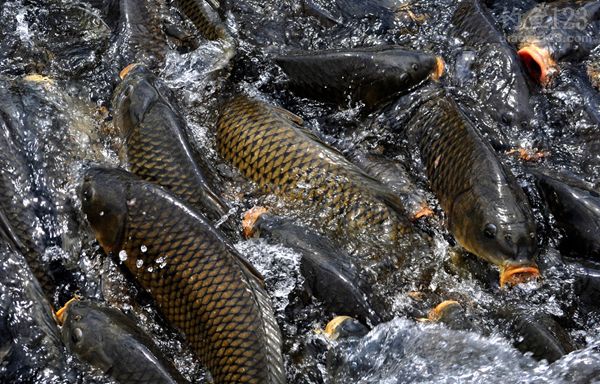
Before you even grab a mixing bowl, ask yourself: What am I trying to catch? Fish aren’t just random eaters-they’ve got preferences baked into their DNA. Take carp, for example (my arch-nemesis turned favorite target). In cold months, they go crazy for high-protein stuff like earthworms, but most of the year? They’re all about that mellow, sweet, grainy vibe-think roasted grains, beans, or sweet potatoes. And here’s a mind-blower: A fish’s sense of smell is hundreds of times stronger than a police dog’s! That’s why they bite at night-they don’t need to see; they can sniff out your bait from a mile away (well, in fish terms). Ancient anglers knew this too-they’d always “sweeten their bait” for a reason. Skip this step, and you’re just throwing food into the water for fun.
Sweetness: Less Is So Much More
Okay, so fish love sweet-got it. But here’s the mistake 90% of us make: We go overboard. Let’s compare carp and crucian carp. Crucian carp dig a stronger sweet, but carp? They want that subtle, natural sweetness. And here’s the kicker: What tastes “just right” to you is probably way too intense for fish. Their taste buds are super sensitive! I once dumped a ton of rice wine into my bait (thought more = better) and watched fish swarm… then swim away. Turns out, they smelled the wine and came running, but the alcohol burn made them bolt. Total facepalm moment. Same with sugar, honey, or milk powder-pile it on, and fish will nudge your bait but never take a bite. They’re like, “Nice try, human, but this is way too much.”
Natural vs. Synthetic Sweeteners: Which Wins?
When it comes to sweet add-ins, natural is king. Synthetic stuff works, but it’s not as good. Let’s break it down:
Natural Sweet & Aromatic Ingredients (The MVPs)
These are the ingredients fish grew up with-so they trust them. My go-tos include:
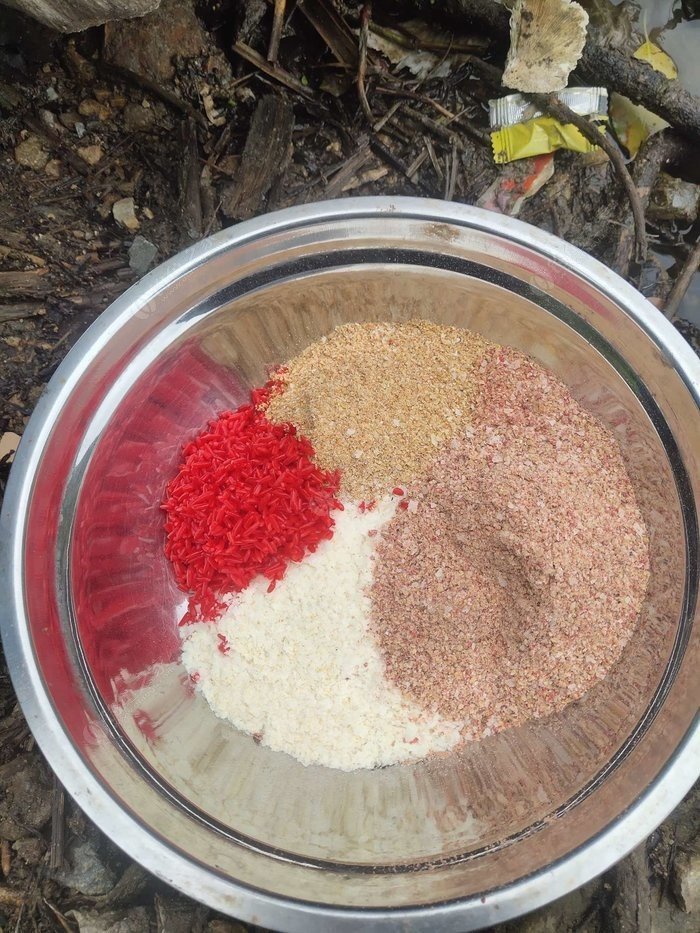
- Roasted sesame powder: That nutty-sweet smell? Carp go wild for it.
- Broad bean or soybean powder: Toasted a little, they add that earthy sweetness fish crave.
- Wheat bran: Cheap, easy, and has that natural grainy scent.
- Toasted sesame oil: A tiny drizzle goes a long way-don’t overdo it!
- Rice wine: A splash, not a flood-remember my earlier mistake.
- Cloves or osmanthus: Dried and crushed, they add a subtle, floral sweetness that’s hard to beat.
Pro tip: I once mixed roasted soybean powder, a pinch of clove powder, and a dash of rice wine into my base bait. Caught three carp in an hour-best day ever.
Synthetic Sweeteners (Use Sparingly)
Synthetic stuff like vanilla powder, coconut flavor, or banana essence can work, but they’re riskier. Fish might be wary of fake scents. If you use them, start with a tiny amount-like a pinch of vanilla powder per 500g of bait. And never mix two synthetic flavors together-you’ll end up with a weird, chemical smell that fish hate.
Key Tips for Bait Formulation (The Stuff They Don’t Tell You)
Now that we’ve covered flavors, let’s talk about the other stuff that makes or breaks your bait. These are the little details that turn a “meh” mix into a fish magnet.
1. Avoid Spicy, Bitter, or Weird Tastes
Herbivores and omnivores (like carp, grass carp, and crucian carp) hate spicy, bitter, or strange flavors. Skip the chili powder, bitter herbs, or anything that smells “off.” If you wouldn’t want to eat it, neither will the fish.
2. Color Matters: Go White or Yellow
Fish don’t have great eyesight, especially in murky water. Black mud is everywhere, so bright colors stand out. White (like flour or milk powder) or yellow (like cornmeal or turmeric) contrast perfectly with dark mud. I once switched from a brown bait to a yellow cornmeal-based mix and saw a huge difference-fish noticed it faster. Trust me, this small change can save your day.
3. Loose Bait vs. Hook Bait: Texture Is Everything
Here’s a critical mistake I used to make: Making all my bait the same texture. Nope-loose bait (the stuff you throw to attract fish) and hook bait (the stuff on your hook) need opposite textures.
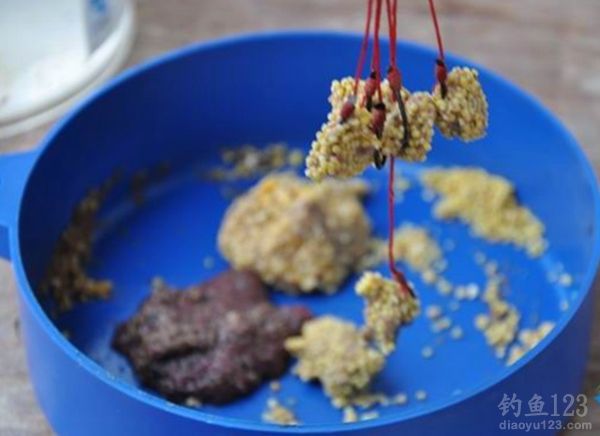
- Loose bait: Keep it loose and a little coarse. It should sink fast and break apart easily in water. This draws fish in and keeps them busy while you wait for them to hit the hook.
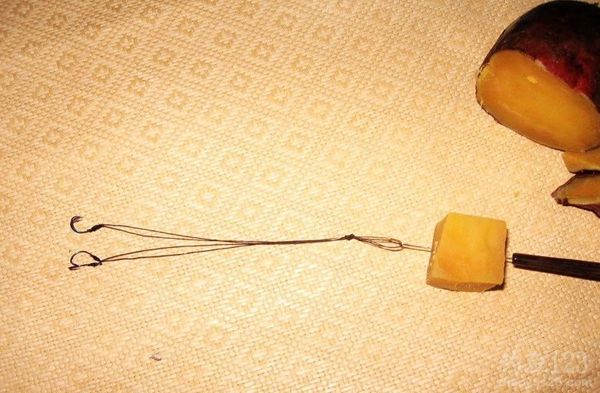
- Hook bait: Make it tight, sticky, and a little hard. It needs to stay on the hook when you cast and not fall apart immediately. If your hook bait dissolves in 2 seconds, you’re wasting your time.
I learned this the hard way when my loose bait was too tight-fish ate it all but never found the hook. Oops.
4. Stick to One Flavor Profile
Don’t be a flavor hoarder! Mixing vanilla, banana, and clove essences? That’s a disaster. Fish get confused by conflicting scents-they’ll swim away instead of biting. Pick one main flavor (like roasted sesame or sweet potato) and stick with it. Simple = effective.
5. Add Natural Boosters (Skip the Chemical Junk)
You can spruce up your bait with some natural additives, but skip the weird chemical stuff (it’s bad for the environment and fish hate it). Try soaking herbs like cloves, cinnamon, or star anise in rice wine for a week-then add a tiny splash to your mix. It adds a subtle, complex flavor that fish can’t resist. Just don’t overdo it-remember, subtlety is key.
6. Match the Bait to the Local Food
If the lake or river you’re fishing has people feeding fish corn or bread, use that! Fish are used to those scents, so they’ll bite faster. I once fished a pond where everyone fed fish wheat bread-so I mixed bread crumbs into my bait and caught more fish than anyone else there. It’s like speaking their language.
Final Thoughts (From a Fellow Angler)
Bait formulation isn’t rocket science, but it does take some trial and error. I’ve wasted so much time (and ingredients) on bad mixes, but every mistake taught me something. The biggest takeaway? Listen to the fish. If they’re not biting, tweak one thing-maybe less sugar, a different flavor, or a looser texture. And don’t forget to have fun! At the end of the day, it’s about being outside, not just catching fish. Now go mix some bait, and let me know how it goes-I’m always up for a good fishing story.