Raft Fishing Basics: How to Choose the Perfect Spot and Rod for Success
Okay, let’s be real—raft fishing is *everywhere* in the southern U.S., and for good reason! It’s not just a “southern thing” though—you can catch just about any fish, from tiny panfish to monster catfish, in lakes, rivers, or even old farm ponds. And the best part? You don’t need a fancy boat. Grab a rod, find a dock, a small shed over the water, or even a fish cage (yes, those floating net things for farming fish—total goldmines for wild fish!), and you’re set. But here’s the thing: most anglers stick to casting rods or spin rods, and raft fishing feels like a secret weapon. Let’s break down the basics so you don’t feel like a newbie when you hit the water!
First Up: What Even *Is* Raft Fishing?
Before we dive into spots and rods, let’s get on the same page. Raft fishing (also called “float fishing” or “dock fishing” sometimes, but let’s stick to raft-specific) is all about fishing from a stationary platform—think a wooden raft, a floating dock, a fish cage (those are *huge* in some areas), or even a small shed built over shallow water. The key? You’re not moving, so you can focus on reading the water, not steering a boat. And since you’re above the water, you can spot fish easier—win-win!
1. Raft Rod 101: Choosing the Right One (No More “Why Isn’t This Working?!”)
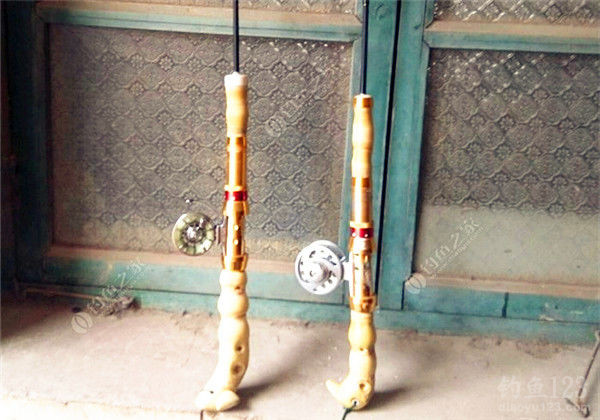
Let’s start with the star of the show: the raft rod. These aren’t your typical 7-foot casting rods. Raft rods are usually shorter (4–6 feet) and *super* flexible—like, “bends like a noodle” flexible. Why? Because you’re fishing in tight spaces, and the flexibility helps you fight big fish without breaking the line. Here’s what to look for:
Key Raft Rod Features to Check
- Flexibility (Action): Look for a “slow” or “moderate” action rod. That means the rod bends all the way down to the middle (or even the handle) when you hook a fish. This absorbs the shock of a big bite so your line doesn’t snap.
- Length: 4–6 feet is ideal. Shorter rods are easier to maneuver on small rafts or docks—you don’t want to swing a 7-foot rod and hit the side of the raft (trust me, I’ve done that… twice).
- Material: Fiberglass is great for beginners—it’s cheap and flexible. Graphite rods are lighter but more expensive (save those for when you’re hooked on raft fishing).
Pro tip: Don’t skimp on the reel! A small spinning reel with a smooth drag system is a must. The drag lets the fish run without breaking your line—critical for big bass or catfish.
2. The Most Critical Part: Choosing Your Raft Fishing Spot
Okay, this is where 90% of anglers mess up. You can have the best rod in the world, but if you’re fishing in a spot with no fish, you’re just wasting time (and bait). Let’s break down the *best* spots to target, whether you’re fishing from a raft, dock, or fish cage.
Top 5 Raft Fishing Spots (That Actually Work)
- Fish Cages (Floating Net Pens): These are *magic* for raft fishing. Fish farms use them to grow tilapia, catfish, or bass, and wild fish (like crappie, bluegill, or even big bass) hang out nearby to eat the leftover feed. Just don’t fish *inside* the cage—stick to the edges. The water is usually deeper here, and the current (if there is any) pushes bait to the cage.
- Floating Docks with Brush Piles: Docks with old tree branches, logs, or even plastic buckets tied to the bottom are fish magnets. Fish love hiding in cover, and the shade from the dock keeps the water cool. Bonus: Look for docks with “drip lines”—water dripping from the dock (from rain or a hose) attracts insects, which attract small fish, which attract big fish.
- Shallow Bays Near Deep Water: Fish love moving between shallow water (to feed) and deep water (to hide). Find a bay that’s 2–5 feet deep but next to a drop-off (10+ feet deep). Rafts anchored here let you reach both the shallow bay and the deep drop-off—perfect for targeting different species.
- Old Boat Ramps or Concrete Slips: These are great for beginners. The concrete holds heat, so in cool weather, fish will cluster here. Also, the edges of the ramp (where it meets the dirt) are full of worms and insects—fish food! Just be careful not to fish too close to the ramp when people are launching boats (safety first, y’all).
- Weed Beds Near Rafts: Weeds are like fish nurseries—small fish hide here, so big fish follow. Look for rafts anchored near weed beds that are 3–6 feet deep. Use a weedless hook (or a bobber) to avoid getting tangled in the weeds (I’ve lost so many lures to weeds—don’t be me).
Pro spot check: Before you set up, look for “signs of fish.” Bubbles (fish breathing), small ripples (fish feeding on the surface), or birds diving (like herons or kingfishers) are dead giveaways. If you see a heron hanging around a dock? That’s your spot—trust me, those birds know where the fish are.
3. Fishing Techniques: Bottom vs. Floating (Which One Works for You?)
Now that you have your rod and spot, let’s talk about *how* to fish. Raft fishing has two main techniques: bottom fishing (targeting fish that live on the lake/river floor) and floating fishing (targeting fish that swim in the middle or top of the water). Let’s break both down—no jargon, promise.
Bottom Fishing: Catch Catfish, Carp, and Big Bass
Bottom fishing is my go-to for big fish. Here’s the step-by-step (I’ve tested this—works every time):
Step 1: Test Your Rod’s Flexibility (Before You Cast!)
Before you even put bait on, hold your rod at a 45-degree angle and let the tip hang. Add a small lead weight (1/4 ounce is good for most spots) to your line. Watch how the rod bends. If it bends down to the middle (or even the handle), that’s perfect—your rod will absorb the shock of a big bite. If it’s stiff (barely bends), you might need a lighter weight (or a more flexible rod—swap it out, trust me).
Step 2: Let the Weight Hit the Bottom (Slowly!)
Cast your line straight down from the raft (no need to cast far—you’re fishing *under* the raft, not 50 feet away). Let the weight sink. Here’s a trick: If the water is *really* deep (15+ feet), the line will slow down as it hits the bottom. You’ll feel the line “pull” a little— that’s your cue it’s on the floor. If you’re fishing shallow (5–10 feet), you’ll see the tip of the rod dip when the weight hits.
Step 3: Wait for the Bite (And Know What It Looks Like)
Once the weight is on the bottom, set your rod in a rod holder (or hold it loosely—don’t grip it like a baseball bat!). The bite will look like this: The tip of the rod will twitch *once*, then *pull down hard* (or even bend all the way over). That’s a fish picking up your bait and swimming away. Don’t jerk the rod—just reel in slowly at first to set the hook. If you jerk too hard, you’ll pull the hook out of the fish’s mouth (I’ve done this with a 10-pound catfish—still mad about it).
Step 4: Bait Tips for Bottom Fishing
Catfish love stinky bait—try nightcrawlers soaked in garlic juice, or chicken livers (wrap them in cheesecloth so they don’t fall off the hook). Carp go crazy for corn (canned sweet corn works best). Bass will eat nightcrawlers or small minnows. If you’re not getting bites, switch bait—fish are picky, especially on hot days.
Floating Fishing: Catch Panfish, Bass, and Trout
Floating fishing is perfect for small, fast fish (like bluegill or crappie) or fish that are feeding on the surface. Here’s how to do it:
Step 1: Choose a Bobber (Float)
Pick a small bobber (1–2 inches) for small fish, or a larger one (3–4 inches) for bigger fish. The bobber will keep your bait at a specific depth—adjust it based on where the fish are. If you see fish jumping on the surface, set the bobber 1–2 feet deep. If they’re in the middle, set it 5–10 feet deep.
Step 2: Cast and Wait (Or “Jig” the Bait)
Cast your line out 10–15 feet from the raft. Let the bobber sit still for a minute. If no bite, gently lift the rod tip (1–2 feet) and let it fall back down. This makes the bait look like a small fish or insect moving through the water—fish *love* that. Repeat every 30 seconds or so.
Step 3: Know the Bite (It’s Different Than Bottom Fishing!)
The bobber will do one of two things: 1) It will “nudge” a little (small fish testing the bait), or 2) It will *snap under the water* (big fish eating the bait). If it nudges, wait—don’t set the hook yet. If it snaps under, reel in slowly to set the hook. I’ve missed so many bites by jerking the rod when the bobber nudges—don’t make my mistake!
Step 4: Bait Tips for Floating Fishing
Bluegill and crappie love small minnows or wax worms. Bass will eat small frogs or even plastic worms (yes, the fake ones work!). Trout go crazy for salmon eggs or corn. If you’re fishing in a fish cage, try throwing a handful of breadcrumbs into the water first—this attracts small fish, which attract bigger fish (it’s like a fish buffet).

4. The Big One: Landing a Monster Fish (No More “It Got Away!”)
Okay, so you hooked a big fish—congrats! Now the hard part: landing it without breaking your line or losing the fish. Here’s the *only* way to do it (I’ve learned this the hard way—lost a 12-pound bass once because I didn’t do this):
Step 1: Let the Fish Run (Don’t Fight It!)
When you first hook a big fish, it will swim away *fast*. Don’t reel in—let it run! Use the drag on your reel to let line out slowly. The drag is that little knob on the top of your reel—set it so the line pulls out with a little resistance (not too loose, not too tight). This lets the fish use its energy without breaking your line.
Step 2: “Walk” the Fish (If You Can)
If your raft is big enough, walk to the side of the raft where the fish is swimming. This keeps the line from rubbing against the raft (which can break it). If you’re on a small dock, just hold the rod at an angle (don’t point it straight up—this puts too much pressure on the line).
Step 3: Tire It Out (Patience Is Key!)
Let the fish swim for 5–10 minutes (yes, really). It will get tired, and you’ll feel it slow down. When it stops swimming, reel in a little line, but don’t pull too hard. Repeat this until the fish is close to the raft. Once it’s near the surface, use a net (or your hands, if it’s small) to scoop it up. *Never* lift the fish by the line—you’ll break the line or hurt the fish.
Pro tip: If the fish swims under the raft, don’t panic! Reel in slowly and walk to the other side of the raft. The fish will usually come back up—just don’t yank the line.
Final Thoughts: Raft Fishing Is For Everyone (Even Newbies!)
Here’s the thing: Raft fishing isn’t just for “pro anglers.” It’s for anyone who wants to catch fish without a fancy boat, expensive gear, or a lot of experience. I started raft fishing when I was 12—used a $20 rod from Walmart, fished from a old wooden dock, and caught my first 8-pound catfish. Now I still use the same rod (it’s a little beat up, but it works!).
Don’t overcomplicate it. Grab a short, flexible rod, find a fish cage or dock, use simple bait (nightcrawlers or corn), and wait. You’ll catch fish—promise. And if you don’t? No big deal—just bring a cooler of soda and enjoy the view. That’s what fishing is really about, right? Not just catching fish, but being outside, forgetting about work, and having fun.
Oh, and one last thing: If you catch a big fish, take a picture (but release it if you don’t plan to eat it—let it grow bigger for next time!). And if you see a newbie struggling, give them a tip—fishing is a community, not a competition. Now go grab your rod and hit the water—you won’t regret it!