How to Properly Maintain and Choose Carbon Fishing Line for Your Tackle Box – Expert Tips from a Fisherman!
Last weekend, I was out on the lake, ready to catch some bass. I’d spent hours rigging my rod, but halfway through casting, the line just snapped—right at the hook knot! I was gutted. Turns out, I’d skipped the carbon line maintenance step with my space beads, and the waterproof resin layer got fried from friction. That’s when I realized: good fishing isn’t just about skill—it’s about knowing how to take care of your gear, especially your line. Let me share my journey from tackle box blunders to becoming a carbon line pro, so you can avoid the same headaches.

What Makes Carbon Fishing Line Special? (Spoiler: It’s Not Just “Fancy”)
First, let’s talk about what carbon fishing line is and why it’s worth caring for. Carbon line isn’t some gimmick—it’s a game-changer for serious anglers. Let me break it down: the inner core is 100% carbon-infused nylon, which gives it that invisible, almost transparent look underwater. The outer layer? A waterproof resin coating that does two amazing things: it keeps the line from absorbing water (so it doesn’t get heavy or sink, which ruins casts), and it makes the line super smooth and durable against abrasion.
Here’s why these traits matter: Invisibility means fish don’t spook, increasing your chances of a bite. Fast-cutting water? Ever tried casting into a strong current and having the line drag behind like a parachute? Carbon line slices through water effortlessly, reducing tangles and letting you cast farther. Knot strength? I once tied a Palomar knot with regular nylon and watched it slip right off the hook mid-cast. Carbon line holds knots like glue, so your tackle stays locked in place. And non-absorbent? You can fish in rainy weather or saltwater without worrying about the line getting waterlogged and weakening.
But here’s the catch: the waterproof resin is *not* indestructible. It’s like a shiny new car paint—looks great, but needs TLC to stay that way. Without proper maintenance, that resin layer can fray, crack, or peel, turning your “high-performance” line into a weak, frayed mess. And trust me, nothing kills a fishing trip faster than a line that breaks right when you hook a monster fish.
Why Your Carbon Line Needs a Maintenance “Checkup” (And How Friction Kills It)
So why do we need to maintain carbon line? Let’s get real: the main culprits are the tiny accessories we often overlook. Space beads, lead sleeves, even the way we store the line—all these can damage the resin layer over time. Let me tell you about my first big mistake: I used brand-new space beads without pre-smoothing them. Their inner diameter was rough, like tiny sandpaper. After just a few casts, the line had a little fray near the beads, and I thought, “No big deal.” Then, a week later, the line snapped at that exact spot while I was reeling in a trout. I was furious—turns out, the friction from the rough beads had cooked the resin layer, making it brittle. Lesson learned: your line’s worst enemy is friction, and the smallest accessories can be the biggest offenders.
Let’s dive into the two biggest friction culprits: space beads and lead sleeves.
1. Space Beads: The “Silent Destroyers” of Your Line
Space beads are those little plastic rings that keep your floats, sinkers, or swivels in place on the main line. Their job is to stay put, but they’re also the #1 reason carbon line fails. Why? Because they’re made of hard plastic, and if their inner diameter isn’t smooth, they act like a saw blade on your line. I’ve seen cheap beads with uneven inner surfaces that look smooth to the eye but feel rough when you run your finger over them. That’s the problem!
Pro Tip: Pre-smooth your space beads before attaching them to the main line. Here’s how: Take 30 centimeters of your main carbon line, thread it through the space beads, and slide them back and forth 5-10 times. This rounds out the inner diameter, so the beads glide smoothly instead of scraping. Think of it like breaking in new shoes—your line needs to “get used to” the beads before you hit the water.
I tried this trick on my next trip, and it was a game-changer. No more frayed spots near the beads, and my line lasted twice as long. Another bonus: while sliding the beads, add a little water (or even your saliva, no judgment!) to lubricate. Water reduces friction, so the beads don’t heat up the resin layer. I’ve seen people use soap, but that’s unnecessary—water works just fine and won’t leave residue that attracts dirt or salt.
Common Mistake: Skipping this step because you’re in a hurry. I’ve seen anglers rush to cast, then wonder why their line keeps breaking. It’s like not oiling a bike chain—you’ll pay the price later, and usually with a broken line mid-fight.
2. Lead Sleeves: Metal vs. Nylon—Which One Should You Use?
Next up: lead sleeves (or lead weights, depending on your region). These are the plastic or metal sleeves that slide over the lead sinker, protecting the line from direct contact with the weight. Metal sleeves are a no-go for carbon line—they’re rigid, heavy, and when they move up and down the line, they create massive friction. Imagine dragging a metal rod along your line: that’s what a metal lead sleeve does to your resin layer.
Upgrade to Nylon Lead Sleeves! Nylon is soft, flexible, and has a smooth inner surface that won’t scratch your line. Even better, look for lead sleeves with a built-in swivel. The swivel lets the sleeve spin freely, so there’s no twisting or friction buildup on the line. I recently switched from a metal sleeve to a nylon swivel lead sleeve, and my line hasn’t had a single fray near the weight in months. It’s like night and day.
Pro Tip: If you’re using a quick-change lead system (where you can swap weights quickly), make sure the sleeve is nylon. Swivels are a must here—they prevent the line from getting twisted, which causes friction and heat buildup. I’ve saved countless casts by upgrading to these, and my catch rate has improved because I’m not losing line to frays anymore.
Other Sneaky Maintenance Mistakes to Avoid
Carbon line isn’t just about space beads and lead sleeves. How you store your line matters too! I used to cram my line into a tackle box without a spool, leading to tangles and kinks. Those kinks? They’re like small cuts on the resin layer—slowly weakening the line over time. Now, I use a dedicated line spool that keeps the line flat and untangled. It’s a small investment, but worth every penny to avoid line damage.
Also, avoid direct sunlight. Leaving your line in a hot car or on a sunny dock will bake the resin layer, making it dry and brittle. If you’re fishing in the sun, keep the line in a shaded spot or wrap it around a rod sock. Saltwater anglers, listen up: saltwater is especially harsh on resin layers. Rinse your line with fresh water after saltwater trips to remove salt residue, which can eat away at the coating.
How to Choose the Right Carbon Line (Avoiding Counterfeits is Key!)
So far, we’ve talked about maintenance, but first, you need to pick the right carbon line in the first place. There’s a lot of “fake” carbon line out there, and it’s easy to get tricked. Let me share how to spot the real deal versus a cheap knockoff.
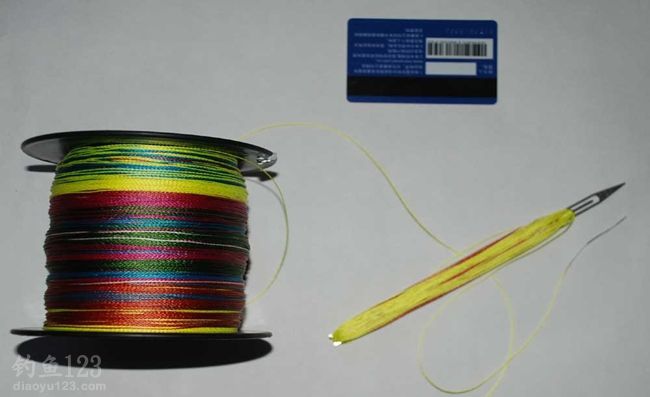
Step 1: Burn Test (Yes, Literally) – This is my go-to trick, and it’s super simple. Take a tiny piece of the line (about 2cm), tie it to a needle, and hold it over a flame (like a lighter). Real carbon fishing line will burn into a black, crumbly ball that you can easily crush with your fingers. Why? Because the carbon content turns into ash. Fake line (usually regular nylon with a fake coating) will melt into a sticky, stringy blob that you can pull out like taffy. I once bought a “carbon” line online that burned into a string—total scam! Now I only buy from trusted brands or local tackle shops where I can test the line in person.
Step 2: Check the Packaging and Brand – Reputable brands like Shimano, Daiwa, or YGK clearly state “carbon” or “carbon-infused” on their packaging. They’ll list the material (100% carbon nylon) and maybe even the resin type. Avoid ultra-cheap lines with vague descriptions like “high-performance” or “super strong” without details. If it’s too good to be true, it probably is.
Step 3: Feel and Flex – Run the line between your fingers when it’s dry. Real carbon line should feel smooth, slightly stiff, and have a slight “spring” when bent. If it feels mushy or slippery (like regular nylon), it’s not carbon. When wet, it should still feel smooth and maintain its flexibility—no waterlogging or stiffness.
Step 4: Ask for Samples or Reviews – If you’re unsure, ask the shop owner for a small sample. Or read online reviews from other anglers who’ve tested the line. Look for comments about durability, knot strength, and how well it holds up over time. A brand with tons of positive reviews is a safer bet than one with a single 5-star review and 20 negative ones.
Pro Tip: Start with a lighter line test. If you’re fishing in clear waters, use 8-12lb test carbon line. For murky waters or bigger fish, go up to 15-20lb. Remember: thicker line is stronger but less sensitive, so balance sensitivity and strength based on your fishing style.
Common Carbon Line Mistakes (And How to Fix Them)
Let’s recap the biggest mistakes I’ve seen (and made myself) to help you avoid them:
- Mistake 1: Using rough/unsmoothed space beads – Fix: Pre-smooth with 30cm test line + water.
- Mistake 2: Metal lead sleeves – Fix: Switch to nylon sleeves with swivels.
- Mistake 3: Fake carbon line – Fix: Burn test, check packaging, buy from trusted brands.
- Mistake 4: Poor storage – Fix: Use a dedicated line spool, avoid direct sunlight.
- Mistake 5: Overloading knots – Fix: Use proper knot-tying techniques (Palomar is my favorite).
These mistakes are easy to make, but they’re also easy to fix! I remember the first time I did all the maintenance steps (pre-smoothing beads, nylon sleeve, and a real carbon line) and caught my biggest bass ever that day. It was a moment of pure joy, knowing I’d avoided the common mistakes that used to ruin my trips.
So, whether you’re a seasoned pro or a newbie, take the time to care for your carbon line. It’s not just about the line itself—it’s about respecting the gear that helps you connect with nature and land that trophy fish. And if you’ve got your own tips for maintaining carbon line, share them in the comments! I’d love to hear from fellow anglers who’ve cracked the code to long-lasting, high-performance lines.
Tight lines, and may your next cast be a hook-up, not a break-off! 🎣