Pro Tips for Catching Line-Shy Fish in Competitive Pond Fishing (Black Pit Tactics)
Let’s be real—finding good wild fishing spots these days is like hunting for a needle in a haystack. Water quality’s tanking, public access is limited, and half the time you show up, some other angler’s already staked their claim. That’s why “black pits” (those man-made pay-to-fish ponds) have exploded in popularity. They’re quiet, packed with fish, and you can cast a line year-round—no ice, no flood warnings, just you and the water. But here’s the catch: most pit owners are cheapskates. They’ll dump the same “recycled” fish in there over and over, and those fish? They’re smart. Like, too smart. They’ve been hooked, fought, and escaped so many times they’re basically fishing ninjas. Even pro competitive anglers struggle with their light bites and skittish behavior. Today, I’m spilling all my best tricks for outsmarting these line-shy devils—no fancy gear required (well, almost).

First: Understand the Enemy (Line-Shy Fish Behavior)
Before you cast a single line, you need to get inside these fish’s heads. Let’s break down their weird habits:
- They’re cautious eaters. Unlike wild fish that’ll chow down on anything that looks edible, these guys wait. They’ll watch a bait fall for minutes before even thinking about touching it. If there’s a bunch of food dropping at once? Forget it—they’ll swim off until the chaos dies down.
- They hate strong smells. Most anglers dump heavy “fish attractants” (read: stinky chemicals) into their bait, and these fish have learned to associate that smell with danger. Imagine walking into a room where everyone’s wearing the same overpowering perfume—you’d leave too, right?
- They test baits like lab rats. Ever seen your float jump, then drop, then sit still? That’s not a bite—that’s the fish smacking your bait with its tail, nudging it with its nose, or even “sucking and spitting” it out to check if it’s safe. If you yank the rod every time the float moves, you’ll be reeling in nothing but empty hooks all day.
Key Tactics to Outsmart Line-Shy Fish
1. Ditch the Heavy Gear—Go Super Sensitive
Let’s start with the basics: your tackle. Line-shy fish can spot a thick line from a mile away, and they’ll avoid it like the plague. Here’s what to swap out:
- Line: Use the thinnest line you can get away with. For most pits, 2-4lb test monofilament works (fluorocarbon is even better if you can afford it—its invisibility underwater is a game-changer). Pro tip: Downsize your leader too—1lb test if you’re targeting small panfish, 3lb for bigger bass or catfish.
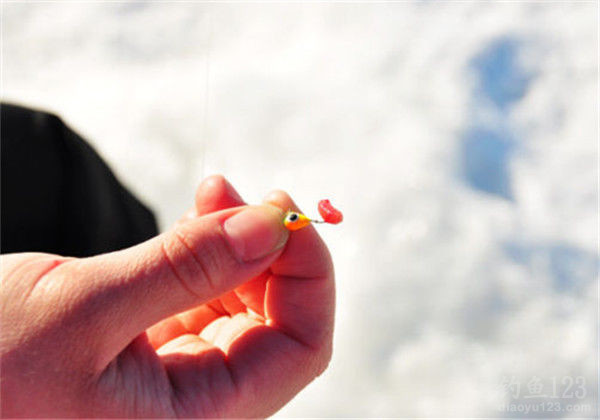
- Hook: Tiny, tiny, tiny. I’m talking size 10 or smaller for panfish, size 6 for bass. Big hooks = big red flags for these fish. Plus, smaller hooks are easier for them to swallow deep, which means fewer escapes when you set the hook.
- Float (Bobber): Skip the big, bulbous floats. Go for a long, thin float—like a stick float or a balsa wood float with a narrow body. These are way more sensitive, so you’ll feel even the tiniest nibble (not just the fish slapping your bait).
2. Bait: Less is More (No Stinky Chemicals!)
I can’t stress this enough: stop using heavy attractants. These fish have smelled every “super fish killer” bait on the market, and they’re not falling for it anymore. Here’s what works instead:
- Go natural: Worms, maggots, or even small pieces of corn (yes, plain old corn!) are way better than processed baits. They look and smell like real food, not a chemical lab experiment.
- Soft & sticky = easy to eat: If you’re using artificial bait, go for soft, squishy stuff (like silicone worms or dough baits that don’t crumble). These fish don’t want to work for their food—they want something they can suck in without effort.
- No heavy scent: If you must use a scent, use something mild—like garlic or anise. But even better? Just use plain old bait. Trust me, the fish will thank you.
3. Master the “No-Rush” Approach
Line-shy fish hate pressure. If you’re casting every 10 seconds, they’ll swim to the other side of the pond. Here’s how to play it cool:
- Slow down your cast: Don’t whip the rod like you’re casting for marlin. Gently lower the bait into the water—no splash, no commotion. These fish are skittish, and a big splash will send them hiding.
- Wait for the “real” bite: So your float bobs up? That’s a test. It drops a little? Test again. The only time you set the hook is when the float dips sharply and stays down (or, in some cases, slowly rises a few inches—more on that later). If you wait for that perfect moment, you’ll land way more fish.
- Ditch the “wait at the bottom” rule: Most anglers fish on the bottom, but line-shy fish often feed mid-water or even near the surface. Try adjusting your float so the bait hangs 1-2 feet below the surface, or 3-4 feet off the bottom. You’ll be shocked at how many bites you get up there.
4. Competitive Fishing Hacks (For Tournaments)
If you’re into competitive fishing, line-shy fish are even trickier—everyone’s using the same tactics, so you need to stand out. Here’s what the pros do:
- Adjust on the fly: If your bait isn’t working after 10 minutes, swap it. Try a different color, a different size, or even a different type of bait (corn to worms, for example). These fish change their minds faster than a teenager changes their playlist.
- Low float, high hook: In tournaments, many pros use a “low float, high hook” setup—meaning they set the float so the bait is just below the surface. When a fish takes the bait, the float will slowly rise (that’s the bite!). It sounds counterintuitive, but it works—especially for fish that are used to bottom fishing.
- Keep the bait coming (but not too much): If no one’s catching anything, try casting a little extra bait every few minutes. Not a ton—just a pinch of corn or a few maggots. This creates a “safe zone” where the fish think the food is natural, not a trap. But don’t overdo it—you don’t want to fill them up before they bite your hook!
My Personal Fail (and Win) Story
Let me be honest— I didn’t always get this right. Last year, I entered a local black pit tournament, and I showed up with all my fancy gear: a big float, 6lb test line, and a bait soaked in “super garlic attractant.” I casted, waited, and… nothing. Nada. Zilch. Meanwhile, the guy next to me was reeling in fish left and right. I leaned over and asked him what he was using. He held up a tiny size 12 hook, a thin stick float, and a plain old worm. “No chemicals,” he said. “Just keep it simple.”
I swapped my gear right then and there. Within 10 minutes, my float dipped sharply, and I set the hook. Boom. A 2lb bass. I ended up finishing third in the tournament, and I’ve never looked back. That day taught me that line-shy fish don’t care about your fancy gear—they care about feeling safe. If you can give them that, you’ll catch more fish than anyone else.
Final Thoughts (No Boring Summary, Promise)
Look, catching line-shy fish isn’t rocket science. It’s about slowing down, thinking like the fish, and ditching all the “pro” tricks that actually scare them away. I still mess up sometimes—last month, I forgot to downsize my hook and went home empty-handed. But that’s part of the fun, right? Every time you hit the water, you learn something new.
Next time you’re heading to a black pit, leave the heavy attractants at home. Grab a tiny hook, a thin line, and a plain old worm. Wait for that perfect bite. And if you see me on the water? Wave—I’ll probably be using the same setup. Tight lines, everyone!