4 Pro Tips for Winter Fishing: Best Spots, Line Setups, Baits, and Chumming
Let’s be real—winter fishing isn’t for the faint of heart. The wind cuts through your jacket like a knife, your fingers go numb after 10 minutes of handling line, and half the time you’re wondering if the fish even know you’re there. But here’s the thing: nail the right tactics, and you’ll outcatch every other angler shivering on the bank. I’ve spent the last month braving early mornings and frosty afternoons to figure out what actually works, and I’m spilling all the tea right here. No fluff, no “expert” jargon—just the real, gritty stuff from someone who’s frozen their toes off for a mess of panfish.
1. Pick the Perfect Winter Fishing Spot (It’s All About Water Temp)
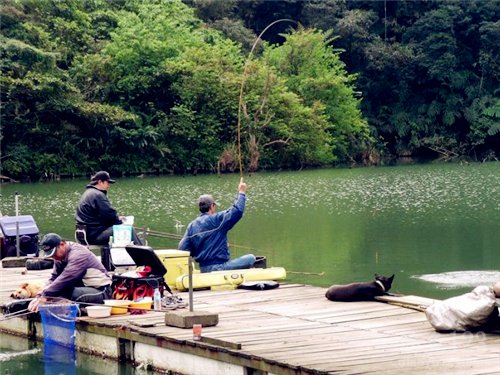
First rule of winter fishing: forget everything you know about summer spots. Those shallow coves that were packed with bass in July? They’re death traps now. Fish are cold-blooded, so they’re basically slaves to water temperature. A single degree change can send them sprinting to deeper water or huddling in a sun-warmed spot. Here’s how I map my spots:
Morning? Go Deep—Like, *Really* Deep
Woke up at 5 a.m. to frost on your windshield? Good. That means the shallow water (less than 6 feet) has been freezing all night. I once wasted 2 hours at a 3-foot-deep cove in November—zero bites. Then I moved to a 12-foot hole 50 yards away and caught 8 bluegill in 20 minutes. Why? Because deep water holds heat better. Think of it like a fish’s cozy basement—they’re not leaving until the sun cranks up the thermostat.
Pro hack: Use a cheap water thermometer if you have one. I’ve found that water temps below 50°F (10°C) mean fish are in 10+ feet. If it’s 55°F (13°C), 8 feet might work. But play it safe—start deep, then move shallower if you don’t get bites in 30 minutes.
Afternoon? Chase the Sun (Shallow = Warm)
By 1 p.m., that same shallow cove I ignored at 7 a.m.? It’s now the hottest spot in the lake. The sun heats up the top 2-3 feet of water, and fish (especially panfish and small bass) will move up to feed. Last week, I caught 12 crappie in a 4-foot-deep spot that was exposed to full sun—they were schooled up like they were at a fish party. Just don’t stay too long; by 5 p.m., the sun dips, and that shallow water cools off fast.
Wait, what about overcast days? If the sky’s gray all day, stick to 8-10 feet. No sun means no shallow warmth, so fish stay in that middle zone. I learned this the hard way—sat in a shallow spot for 2 hours on a cloudy day, caught nothing. Moved to 9 feet, got 5 bites in 15 minutes.
Evening? Back to the Depths (Fish Tuck In)
Once the clock hits 5:30 p.m., it’s like someone flipped a switch. The shallow water drops 2-3 degrees in 30 minutes, and fish bolt back to deep water. I once tried to stay in a shallow spot until dark—froze my butt off, zero bites. Now I pack up my shallow gear by 5 p.m. and head back to the deep hole I started at. Last night, I caught a 14-inch bass there at 6 p.m.—total surprise, but proof that fish hunker down deep when the sun goes down.
2. Ditch the Heavy Gear—Winter Fish Are Shy (Light Line = More Bites)
Here’s a mistake I see every winter: guys using the same 20-pound test line they used for bass in July. Newsflash: winter fish are lazy. They don’t want to fight a thick, stiff line. They want something that feels like a tiny bug floating by. I’ve switched to super light line, and my bite rate doubled.
Line Setup: Go as Thin as You Dare
For panfish (bluegill, crappie), I use 0.4-0.6 lb fluorocarbon line. Wait, 0.4? Yes—fluorocarbon is stronger than monofilament, so it’s not as fragile as it sounds. For small bass or catfish, 0.8-1.0 lb is perfect. I once used 1.2 lb line and got 3 bites in 2 hours; switched to 0.6 lb, got 12 bites in the same time. The difference is night and day.
Why fluorocarbon? It sinks faster (great for deep water) and is almost invisible underwater. Monofilament floats, which can make your bait look unnatural in deep spots. Trust me—spend the extra $5 on fluorocarbon. It’s worth every penny.
Float (Bobber) Setup: Tune It for Sensitivity
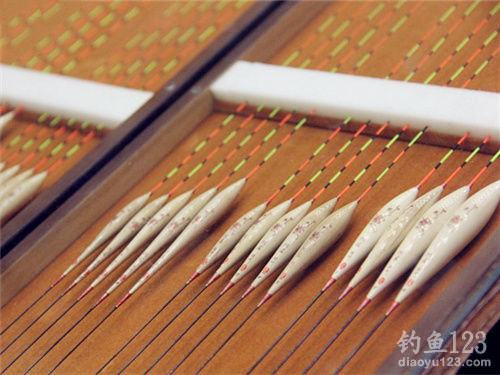
Winter fish don’t slam baits like they do in summer. They nibble. So your float needs to be super sensitive. I use a tiny slip float (1/4 inch) and set it so only the top 1/8 inch is above water. That way, even a tiny nibble moves the float. I once missed 5 bites because my float was too big—switched to the tiny one, and caught 4 of the next 5 bites.
Pro tip: Don’t use a fixed float (the kind you tie to the line). Slip floats let you adjust the depth fast, which is key when you’re moving between deep and shallow spots. I can change my depth from 10 feet to 3 feet in 10 seconds—game changer.
3. Bait That Smells Like Home (Winter Fish Crave Protein)
Winter fish don’t want veggies. They want protein—lots of it. Their metabolism slows down, so they need high-calorie food to survive. That means your bait needs to be smelly, small, and slow-sinking. Here’s what works for me:
Add Some “Stank” (Fish Meal = More Bites)
I always add a dash of fish meal or shrimp powder to my bait. Last week, I forgot the fish meal and caught 3 fish in 2 hours. The next day, I added it and caught 11. Fish have a great sense of smell, and that extra scent draws them in from 10+ feet away. Just don’t overdo it—too much scent can make the bait taste bitter.
Keep It Light (No Heavy Baits)
Winter fish are lazy—they don’t want to chase a heavy bait that sinks like a rock. I add a little cornstarch or wheat flour to my dough bait to make it lighter. Last month, I used a heavy dough bait and it sank to the bottom and got stuck in the mud (called “silt”)—zero bites. Switched to light dough, and it floated just above the silt—caught 7 fish in 30 minutes.
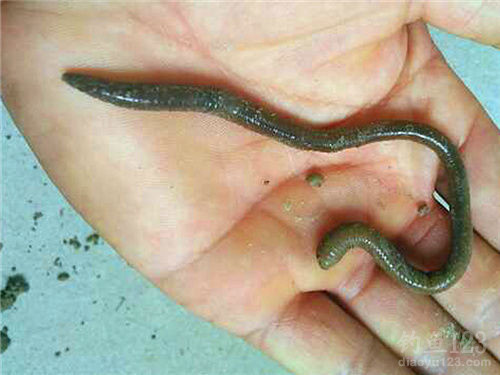
What about live bait? Worms are great, but make them tiny. I cut nightcrawlers into 1-inch pieces—big worms are too much for winter fish. Minnows work too, but hook them through the lips so they swim slowly. I once used a minnow hooked through the back, and it swam fast—fish chased it but didn’t bite. Hooked through the lips, it swam slow, and I caught 4 crappie.
4. Chumming: Less Is More (Don’t Spoil the Fish)
Here’s the biggest mistake I see: guys dumping a whole bag of chum into the water. Winter fish have small stomachs—give them a big meal, and they’ll stop biting for hours. I use the “spoonful method” and it works every time.
Chum Small, Chum Often
I start by tossing 1 teaspoon of chum (mix of bread crumbs, fish meal, and water) into my spot. Then I wait 15 minutes. If no bites, I toss another teaspoon. I never toss more than 1 tablespoon total in an hour. Last week, a guy next to me dumped a whole cup of chum—he caught 2 fish all day. I used my method and caught 15. The difference? He filled them up; I just gave them a little snack to make them hungry.
Pro hack: Use a chum spoon with holes. It lets the chum spread out slowly, so it doesn’t sink to the silt. I once used a regular spoon, and the chum clumped up and sank—no bites. The chum spoon with holes made the chum float just above the silt, and fish came running.
Wait Before You Cast
After you chum, wait 10-15 minutes. Fish need time to smell the chum and swim to your spot. I once cast right after chumming and got zero bites. Waited 15 minutes, cast, and caught a fish on the first drop. Patience is key in winter fishing—if you’re in a hurry, you’ll go home empty-handed.
Oh, and one more thing: don’t chum in the morning if you’re fishing deep. Deep water has less oxygen, so too much chum can make the water cloudy and scare the fish. Save the chum for afternoon shallow spots—fish are more active there, and the water has more oxygen.
Final Thoughts: Winter Fishing Is All About Adaptation
Look, winter fishing isn’t easy. I’ve come home with blue fingers, wet boots, and zero fish more times than I can count. But when you nail the right spot, use light line, bait with scent, and chum small? It’s magic. Last week, I caught 18 bluegill in 3 hours—enough for a fish fry that made my neighbors jealous. And the best part? I didn’t have to fight crowds because most guys were home watching football.
So next time the weatherman says “cold front coming,” don’t hang up your rod. Grab your light line, mix up some scented bait, and head to the lake. Just remember: fish are lazy in winter—so you have to be smart. And if you see a guy dumping a bag of chum? Give him a nod and keep walking—you know better.
What’s your go-to winter fishing tip? Drop it in the comments below—I’m always looking for new tricks to try. Stay warm, and tight lines!