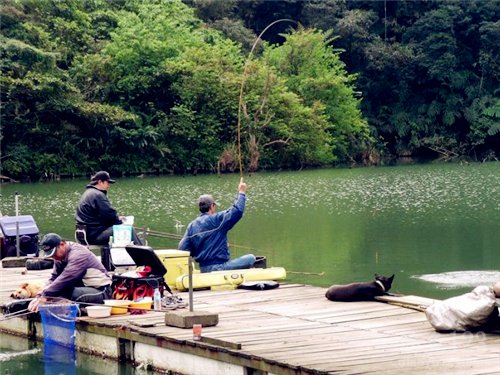
Let’s be real—city anglers don’t always have easy access to sprawling reservoirs. Those big open waters? Great if you live nearby, but for us 9-to-5 folks stuck in the concrete jungle? Forget it. That’s where black pits (aka urban fishing ponds) come in. These man-made spots are a godsend for anyone craving a quick fishing fix. But here’s the thing: black pits aren’t your average lake. They’re packed with mixed species, and the fish? Let’s just say they’ve seen more hooks than a tackle box. New fish one day, skittish “repeats” the next. If you’re new to this chaos, you’re gonna need more than a lucky rod. Today, I’m spilling all my real-life tips for crushing mixed species black pit fishing—no fancy jargon, just what works.

First Up: Pick Your Target Fish (Don’t Try to Catch Everything)
Okay, let’s get one thing straight: mixed species means the pit has a little of everything—carp, bass, catfish, maybe even some panfish. But here’s the mistake newbies make: they cast one bait and hope for the best. Spoiler: it doesn’t work. You need to pick a target. Why? Because different fish have different habits, different mouths, and different tastes. Let’s break it down:
- If the pit just stocked a ton of new carp? Focus on carp. They’re hungry, less skittish, and easier to hook.
- If the carp are acting like they’ve seen a hundred hooks (aka “repeats”)? Switch to bass. They’re predators, so they’ll go for something lively.
Last month, I hit a pit that had both new carp and old bass. I tried a corn bait for carp first—nothing. Switched to a plastic worm for bass? Caught three in 20 minutes. Moral of the story: don’t be greedy. Pick one fish and go all in.
How to Pick the Perfect Black Pit Spot (It’s All About Observation)
Let’s be honest: a bad spot = no fish. I’ve wasted hours sitting in the wrong place, so trust me—this is make or break. Here’s what I look for:
1. Check the Fish’s Health (Yes, You Can Tell)
When the pit stocks new fish, take a minute to look. Healthy fish? They’ll be shiny, no missing scales, and their tails won’t be frayed. If they look like that? They’re gonna swim away from the stocking spot fast. So set up on the opposite side of where they dumped the fish. I did this last spring—stocked carp looked great, so I sat across the pit. Caught four in an hour. Total win.
Sick fish? They’re gonna be dull, maybe have red spots, and act sluggish. If that’s the case? Stay right next to the stocking spot. Those fish aren’t going anywhere. I once saw a guy ignore this—sat 50 yards away and caught nothing. The guy next to the stocking spot? Caught three in 30 minutes. Duh.
2. Season and Weather = Your Spot Guide
Let’s talk seasons—this is basic but so many people mess it up:
- Spring/Fall: Water’s cold. Fish hang in shallow spots (1-3 feet) because it warms up faster. I once fished a shallow cove in October—caught 12 bass in two hours. Game changer.
- Summer: Water’s hot. Fish go deep (5+ feet) to stay cool. And here’s a pro tip: don’t overbait. Warm water makes bait rot fast, which turns the bottom “stinky.” Last summer, I forgot this—my bait fermented overnight, and the spot was dead the next day. Oops. Now I freeze my bait the night before to slow down rot. Works like a charm.
Also? Get there early. The best spots get taken fast. I once showed up at 5 a.m. and got the “golden spot” (a deep cove with shade). By 7 a.m., every spot around me was taken. And guess what? I caught the most fish that day. Early bird gets the worm—er, the fish.
Bait Recipes and Tips (No More Guessing What Works)
Okay, let’s get to the good stuff: bait. Black pit fish are tricky—they’ll love a bait one day, hate it the next. But I’ve got a few go-tos that almost always work. Let’s break it down by fish type:
1. Carp Bait (My Go-To Recipe)
Carp are suckers for sweet stuff. Here’s my secret mix:
- 1 cup cornmeal
- 1/2 cup sugar (white or brown—doesn’t matter)
- 1/4 cup molasses (adds that sticky, sweet smell)
- Enough water to make a dough (not too wet, not too dry)
Mix it up, roll into small balls (about the size of a quarter), and let it sit in the sun for 10 minutes. The sugar and molasses will ferment a little, which makes the smell stronger. I’ve caught more carp with this than any store-bought bait. Trust me.
2. Bass Bait (Lively = Better)
Bass are predators—they want something that moves. My favorite? A plastic worm (red or black) with a small piece of shrimp. Rig it so it sinks slow, and twitch it every few seconds. Last month, I used this and caught a 5-pound bass. The guy next to me used a fake minnow and caught nothing. Lively = hungry bass.
3. The “Repeats” Problem (Fish That Have Seen Too Many Hooks)
Here’s the worst part of black pits: “repeats” (fish that’ve been caught before). They’re skittish, and they know when a bait is fake. So what do you do? Slow down.
- Use less bait. A tiny piece of corn or a small worm works better than a big chunk.
- Don’t cast too hard. Loud splashes scare them.
- Wait longer. Repeats take their time—don’t yank the rod every two seconds.
I once fished a pit with a ton of repeats. Used a big carp bait—nothing. Switched to a tiny piece of corn? Caught two in 45 minutes. Slow and steady wins the race.
Final Thoughts (From Someone Who’s Been There)
Black pit fishing isn’t easy. Some days you’ll catch nothing. Some days you’ll catch so many fish your arms hurt. But that’s the fun of it, right? It’s not about being perfect—it’s about learning, experimenting, and having a good time. Last week, I tried a new bait (a mix of corn and peanut butter) and caught a catfish. Total surprise, but that’s what makes it exciting.
So next time you hit a black pit, remember: pick a target, pick a good spot, use the right bait, and don’t get frustrated. And hey—if you catch something weird? Hit me up in the comments. I’d love to hear about it. Tight lines!